





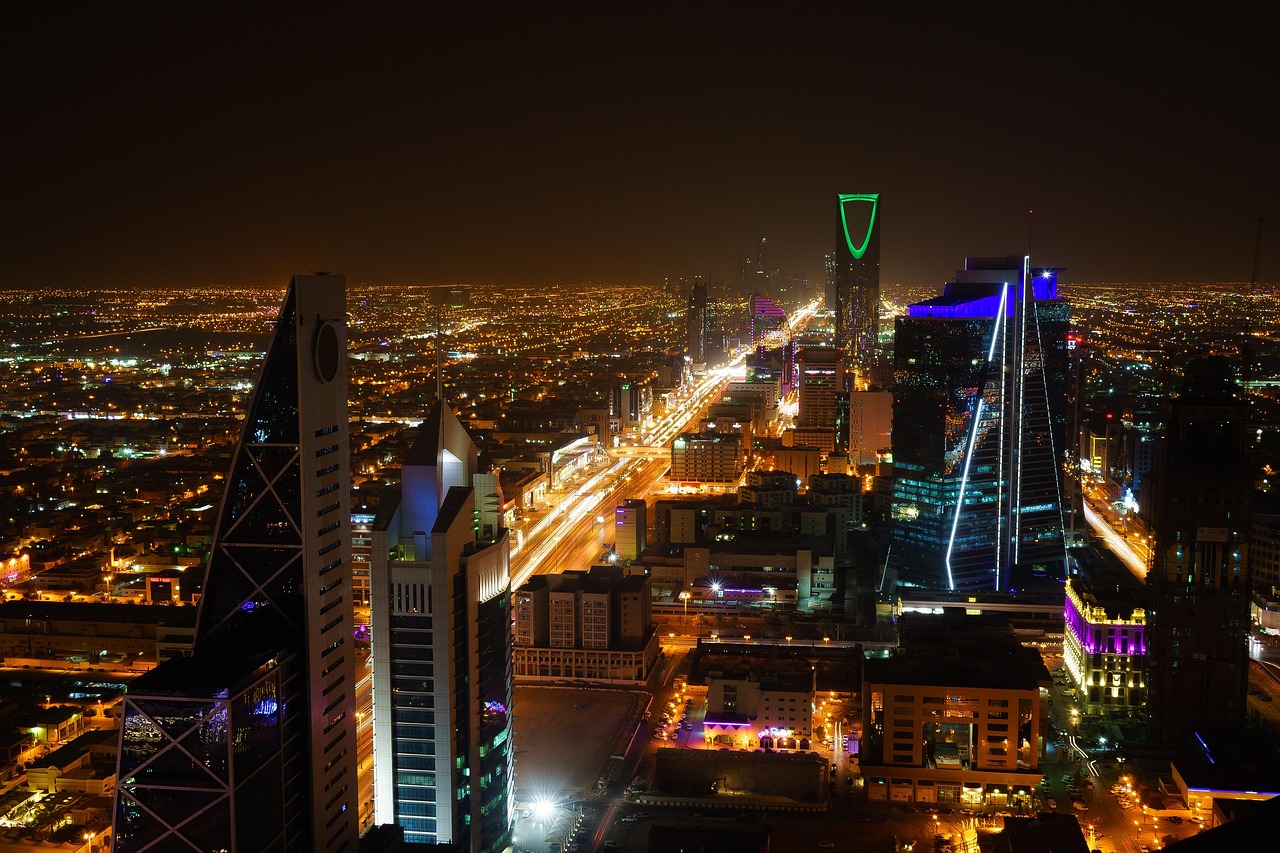

The Best Areas to Invest in Riyadh Real Estate 2026 are concentrated around established business corridors, new master-planned districts, and family-oriented suburbs where infrastructure and demand are rising fastest. For investors focused on rental yield, capital appreciation, or mixed-use developments, neighborhoods such as Al Olaya/Tahlia, King Abdullah Financial District (KAFD), Diriyah, and several northern suburbs deserve top consideration. My on-the-ground observations and market signals point to a mix of core-city assets and emerging zones as the smartest allocation for 2026.
Riyadh’s real estate market is shaped by large-scale public projects, expanding transport links like the Riyadh Metro, and continued interest from regional and international capital. When choosing where to invest, balance immediate rental demand near business centers with longer-term upside in heritage and master-planned districts undergoing regeneration.
Quick Answer
The best areas to invest in Riyadh real estate in 2026 are Al Olaya/Tahlia for prime residential and retail, King Abdullah Financial District (KAFD) for offices and upscale apartments, Diriyah for tourism-driven growth, and selected north and east suburbs for family villas and steady rental demand. Combine proximity to Riyadh Metro lines and King Khalid International Airport with local planning updates to identify the highest-potential pockets.
Key Takeaways
- Prime picks: Al Olaya/Tahlia and KAFD for capital preservation and corporate tenants.
- Growth zones: Diriyah and select new developments offer long-term appreciation tied to tourism and mixed-use projects.
- Family rental markets: North and east suburbs supply villas that attract longer leases.
- Visit first: Scout in person, use local brokers, and verify regulations before buying.
- Check transport: Metro lines and new highways materially improve value and liquidity.
Why location matters for Best Areas to Invest in Riyadh Real Estate 2026
Riyadh is not one homogeneous market. Districts vary by tenant profile, rental yield, and development trajectory. Central business and shopping corridors attract expatriates and corporate leases; older neighborhoods provide steady occupancy; and newly planned districts receive government-backed amenities and tourist footfall that boost long-term prices.
Investors should prioritize areas with strong transport links, proximity to major employers, and planned public projects. The city’s long-term strategy under national modernization programs influences which neighborhoods will outperform between 2026 and beyond.
Top neighborhoods to consider for Best Areas to Invest in Riyadh Real Estate 2026
Al Olaya and Tahlia Street — prime mixed-use and luxury apartments
Al Olaya and the adjacent Tahlia Street remain Riyadh’s most visible commercial-residential spine. High-end apartments, boutique hotels, and flagship retail make this area attractive for short-term corporate lets and luxury rentals. Expect steady demand from business travelers and affluent residents seeking centrality.
King Abdullah Financial District (KAFD) — financial hub and high-end rentals
KAFD targets corporate tenants, banks, and professionals. The district’s office inventory and premium apartment towers make it a logical play for investors focused on corporate leasing, serviced apartments, and long-term capital preservation.
Diriyah — heritage, tourism, and mixed-use upside
Diriyah is transforming into a cultural and tourist precinct with hotel, retail, and cultural attractions. Properties near restored heritage areas and luxury hospitality projects can capture rising visitor numbers and benefit from branding as a cultural destination.
North and East Riyadh suburbs (e.g., Al Nakheel, Al Rabwah, Al Naseem) — villas and family rentals
Family districts in the northern and eastern suburbs offer larger villas and townhouses that appeal to long-term tenants, often local families and long-stay expatriates. These areas provide rental stability, lower vacancy risk, and often higher per-unit yields for villa investors.
Al Malaz and older central neighborhoods — steady rental demand
Al Malaz and comparable established neighborhoods deliver consistent rental occupancy and are useful for investors who prefer predictable cash flow over rapid capital growth. Renovations and targeted upgrades can increase rentability without speculative risk.
South and east development corridors — early-stage, higher risk/reward
Outlying development corridors are cheaper per square meter and attractive for speculative buyers eyeing long-term appreciation as infrastructure expands. These locations require greater patience and diligent review of master plans and timelines for transport and utilities.
How these neighborhoods compare — quick reference
| Neighborhood | Best for | Primary strength |
|---|---|---|
| Al Olaya / Tahlia | Luxury apartments, retail | Centrality, premium tenants, retail demand |
| KAFD | Corporate leasing, high-end rentals | Financial hub, modern infrastructure |
| Diriyah | Tourism-led developments | Heritage appeal, visitor growth |
| North/East suburbs | Villas, family rentals | Stable leases, family demand |
| Al Malaz & central older areas | Steady rental cashflow | Predictable occupancy, value-add potential |
Practical investment tips for Best Areas to Invest in Riyadh Real Estate 2026
- Scout in person: Visit neighborhoods during business hours and evenings to assess traffic, noise, and tenant mix.
- Prioritize transport links: Proximity to Riyadh Metro stations and major roads improves liquidity and tenant interest.
- Use reputable local brokers and legal counsel: Regulatory and ownership rules can be complex; get documented advice.
- Check master plans: Municipal and government projects materially change values—confirm timelines with planners or official portals.
- Consider property management: For foreign investors or remote owners, professional management preserves rental income and keeps occupancy high.
Mistakes to avoid
- Buying blind on price alone—location, tenant demand, and future infrastructure matter more than a low upfront cost.
- Ignoring weather and seasonal demand—Riyadh’s leasing and tourist patterns vary with seasons, so time your viewings accordingly.
- Assuming identical rules across districts—ownership conditions and developer warranties can differ between projects.
Best Tips for Planning Your Trip to Riyadh for Property Hunting
Plan visits around cooler months (typically late autumn to early spring) when walking the city is comfortable. Book meetings with brokers and developers in advance and allocate time to visit both central districts and suburban projects to compare supply and demand.
Fly into King Khalid International Airport (RUH) and allow travel time to central Riyadh—traffic can extend transfer times. Stay in Al Olaya or near KAFD for easy access to many prime listings and major hotels. Carry clear documentation of your investment criteria, and schedule meetings with banks or legal advisors if you plan to make offers during the trip.
Is it worth it? Who is this best for?
Yes, investing in Riyadh real estate in 2026 can be worth it for investors who balance risk with horizon and choose locations tied to jobs, infrastructure, and tourism. Short-term speculators may face timeline and delivery risks in new developments, while buy-and-hold investors can benefit from rental demand and city-wide modernization programs.
This approach is best for regional investors, global investors seeking Middle East exposure, and family-office investors targeting diversified real estate assets. Owners who want passive income should plan for professional property management and currency considerations.
Examples and scenarios
Example 1: An investor seeking steady rental income might buy a renovated apartment in Al Malaz or a villa in a northern suburb to capture long leases from families and expatriates. Example 2: A capital-growth investor could target off-plan units near Diriyah or early plots in development corridors, accepting a longer hold period while infrastructure is completed.
Final advice before you sign
Confirm ownership rights, title registration processes, and any restrictions on foreign buyers or leasing terms with legal counsel. Check utility connections, developer completion guarantees, and past delivery records. Always validate projected yields against current market rents and vacancy rates rather than developer sales brochures.
Conclusion
Focusing on the Best Areas to Invest in Riyadh Real Estate 2026 means blending prime districts like Al Olaya and KAFD for stability with emerging pockets such as Diriyah and selected suburbs for growth. The smartest investments align location with tenant demand, transport links, and verified planning timelines. Do due diligence, visit in person, and work with trusted local professionals to convert opportunity into lasting returns.
Frequently Asked Questions
Which Riyadh neighborhood has the highest rental demand?
Al Olaya and Tahlia typically show the highest rental demand for short-term corporate and luxury tenants. These areas are central, well-served by retail and business amenities, and popular with expatriates and professionals.
Is Diriyah a good investment area or just a tourist project?
Diriyah blends tourism with mixed-use development, offering both visitor-driven upside and residential opportunities near heritage attractions. Its performance depends on completed amenities and how quickly tourist flows translate into sustained local demand.
Do foreign investors own property in Riyadh?
Saudi Arabia has been expanding opportunities for foreign investment, but rules can vary by property type and zone. Check current regulations and obtain legal advice to confirm ownership rights and any restrictions before proceeding.
How important is proximity to the Riyadh Metro when choosing a property?
Very important—metro access improves tenant appeal, shortens commuting times, and supports higher rents and resale values. Properties near planned or existing stations typically enjoy stronger liquidity.
Should I buy off-plan or completed properties in Riyadh?
Off-plan units can offer lower entry prices but carry delivery and market-timing risks. Completed properties deliver immediate rental income and lower uncertainty; the right choice depends on risk tolerance and investment horizon.
What type of property gives the best yields in Riyadh?
Rental yields vary by neighborhood and property class; family villas in suburbs often deliver stable yields through long leases, while centrally located apartments may command higher rents but face more competition. Analyze local rent data before deciding.
How can I reduce risk when investing in Riyadh real estate?
Reduce risk by doing on-the-ground research, engaging reputable local agents and lawyers, verifying master plans, and using professional property managers. Diversifying across neighborhoods and property types also lowers exposure to localized downturns.
When is the best time to visit Riyadh for property scouting?
Visit during the cooler months (roughly November to March) for comfortable inspections and to observe typical city activity. Schedule meetings in advance and factor in extra time for developer presentations and legal consultations.