





بيئة الرياض: Oversight and veterinary screening of more than 150,000 heads
Riyadh’s municipal environment agency, referred to locally as بيئة الرياض, announced a comprehensive supervision and veterinary screening operation covering more than 150,000 heads of livestock this week. The campaign, carried out at markets and holding facilities across the city’s governorates, aimed to verify animal health and enforce biosecurity measures, officials said.
The operation took place over several days and included inspections at wholesale markets, transport checkpoints and farm aggregation points in and around Riyadh. The agency stated that teams focused on early detection, documentation, and the coordination of follow-up measures where needed.
Scope and logistics of the veterinary inspections
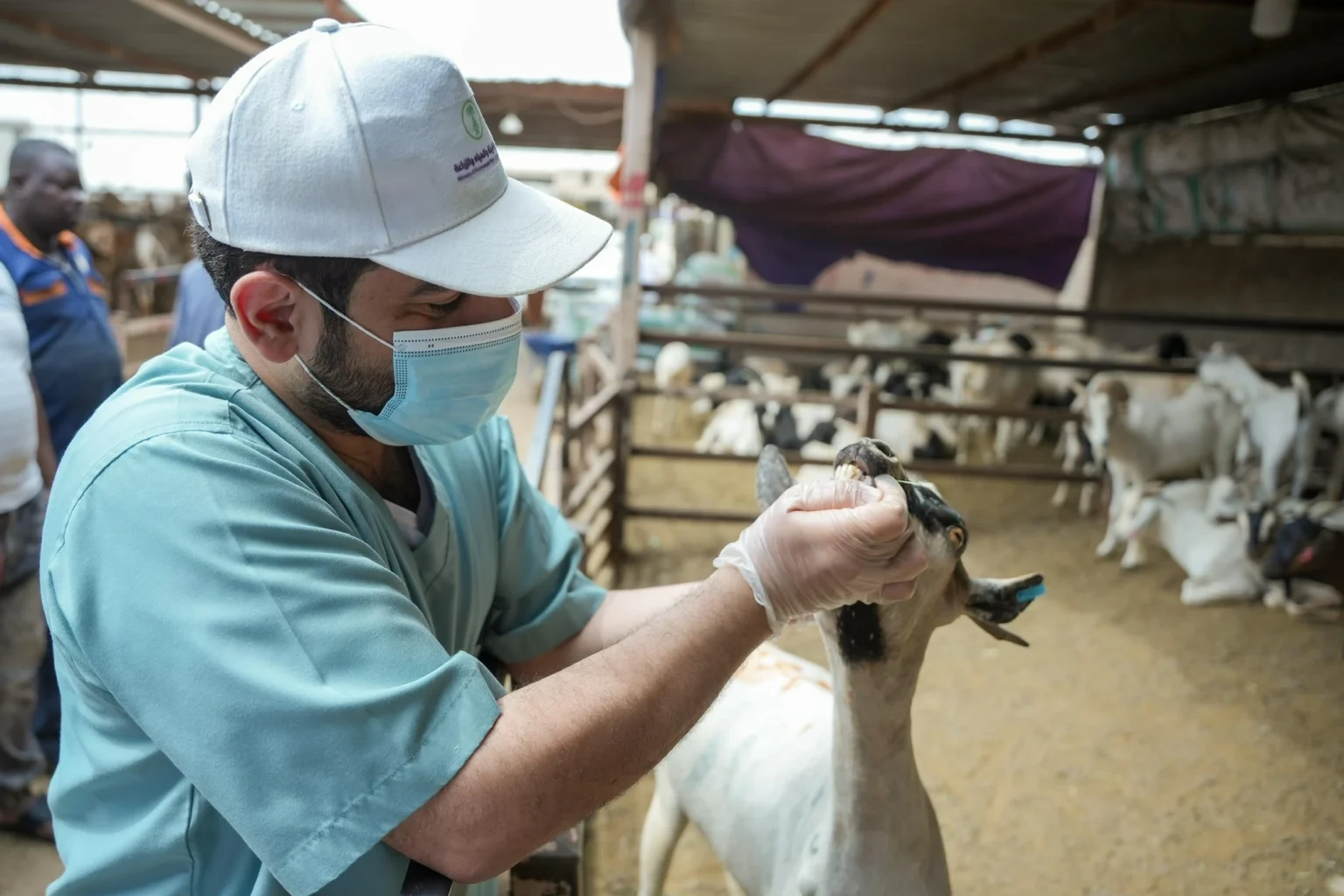
Veterinary inspection teams deployed by بيئة الرياض included veterinarians, inspectors and sanitary technicians who performed clinical checks, documentation reviews and tracing of animal movements. According to officials, the teams recorded identification markers and health certificates while screening animals for signs of contagious diseases.
Furthermore, the operation prioritized locations with high livestock throughput and those linked to public markets. The ministry’s public statements indicate that coordination with transport authorities and market operators helped streamline checkpoints and reduce disruption to trade.
How the كشف البيطري and supervision were conducted
The الكشف البيطري (veterinary screening) combined visual clinical exams with verification of vaccination histories and movement permits. Meanwhile, inspectors used observational assessments to flag animals exhibiting fever, respiratory issues or other clinical signs that suggest infection.
In cases where issues were suspected, the teams followed established containment protocols, including temporary isolation and further laboratory testing, officials said. Therefore, rapid referral mechanisms were activated to send samples to approved diagnostic laboratories when required.
Coordination with other authorities
Beef and sheep supply chains rely on multiple agencies, and the campaign reflected that complexity. The municipal authority worked with transport regulators, market managers and public health officials to ensure a coordinated response and to protect consumers.
Why the operation matters for public health and markets
Livestock health monitoring helps reduce risks to both animal and human health and supports market stability. The focus on the الأنعام (livestock) supply chain sought to prevent disease emergence that could affect consumers and trade, the agency stated.
Additionally, the inspections aimed to reassure traders and buyers that food safety controls are active. Therefore, continuity of supply and confidence in animal products were central goals, according to the public notices issued by officials.
Implications for producers and traders
Producers and traders who complied with documentation and biosecurity rules faced less disruption, while those lacking required permits were subject to corrective measures. According to the agency, penalties and mandatory corrective steps are part of the enforcement framework intended to encourage compliance.
Furthermore, veterinarians involved in the effort emphasized that early detection reduces longer-term costs associated with disease outbreaks. In contrast, unchecked spread can lead to market closures, restricted movement and economic losses, officials cautioned.
Public communication and transparency
Officials said they used signage and direct communication at markets to explain inspection criteria and next steps for animals held for further testing. Therefore, the campaign combined enforcement with outreach to reduce confusion and ensure transparency.
Background context: seasonal and regional livestock risks
Seasonal factors and regional animal movement patterns affect livestock disease dynamics. The municipal campaign reflects broader efforts to strengthen surveillance and to align local practice with national animal health priorities, the ministry indicated.
Meanwhile, veterinary networks track indicators such as unusual mortality or clusters of clinical signs. Therefore, regular campaigns are part of routine risk management intended to protect both rural producers and urban consumers.
Next steps and what readers should watch
Officials said follow-up actions will include laboratory confirmations, reporting of any confirmed cases and targeted re-inspections where problems were identified. The agency indicated that results from any laboratory tests will be published according to normal reporting schedules.
Readers should watch for official updates on confirmed findings, any temporary movement controls and guidance for traders and consumers. In addition, the municipality plans periodic campaigns and may announce future inspection windows to maintain surveillance coverage.
In conclusion, بيئة الرياض’s recent supervision and الكشف البيطري of more than 150,000 heads of الأنعام reflects an active approach to protecting public health and market stability. Officials said the operation reinforces routine surveillance and sets the stage for continued coordination among municipal, transport and public health authorities. Stakeholders should monitor official channels for test results, compliance notices and announced timelines for subsequent inspections.