






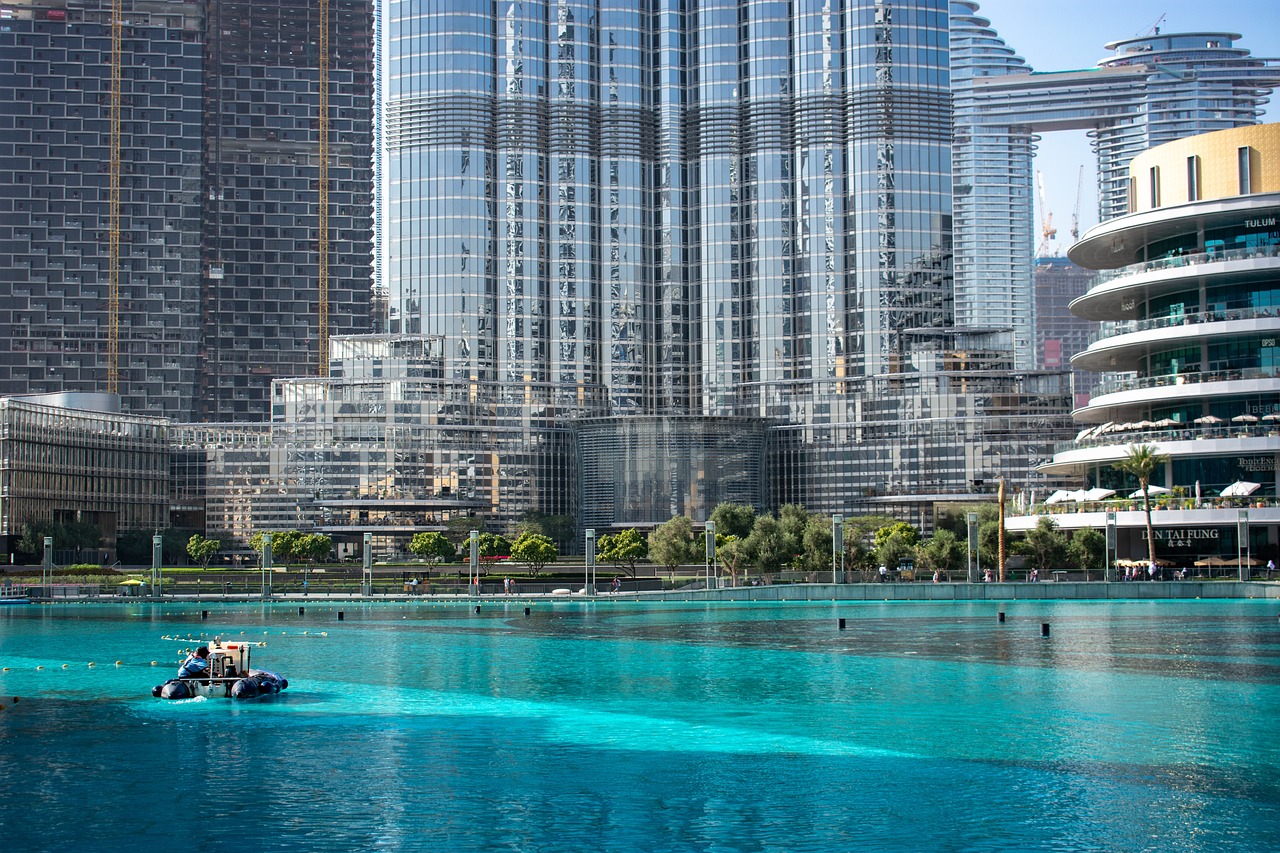

Dubai’s property market in 2026 is shaped by short-term momentum and longer-term structural trends. Demand from international buyers, a steady tourism recovery, and new visa and residency incentives suggest continued interest; at the same time, rising global interest rates, a steady pipeline of new developments, and normalizing rental growth add caution. The simplest, practical answer is that property prices in Dubai in 2026 are likely to show selective rises rather than across-the-board surges: prime, well-located assets may appreciate while some peripheral or over-supplied segments could soften.
This article looks at the drivers behind price movement, what to watch in real time, and how travelers or potential buyers should plan visits and viewings. It focuses on actionable guidance—how rental tourists, expats, and investors can read market signals, avoid common mistakes, and make decisions that match their timeframe and risk tolerance.
Quick Answer
Property Prices in Dubai 2026: Will They Rise or Fall? Short answer: Expect mixed outcomes. Prices are likely to rise in high-demand central areas and for high-quality, ready-to-move-in units, while secondary locations and some off-plan segments may experience downward pressure. Monitor interest rates, new supply, and tourist flow for the clearest signals.
Key Takeaways
- Prime Dubai neighborhoods are more resilient; peripheral markets face more risk.
- Rental demand and tourism flows support short-term returns, but mortgage costs and supply are key risks.
- Investors should check on occupancy trends, developer reputation, and local regulations before buying.
- Travelers using short-term rentals should compare hotel rates, cancellation flexibility, and insurance.
- Always verify legal, visa, and finance details with official UAE sources or licensed advisors.
Property Prices in Dubai 2026: Will They Rise or Fall? — Market Overview
Dubai’s market has historically reacted to global capital flows, oil-price sentiment, and domestic policy changes aimed at attracting long-term residents and businesses. In 2026 those same forces are at work: government incentives (like long-term visas and business-friendly regulations) support foreign demand, while the global interest rate environment influences mortgage affordability and investor risk appetite.
What does “price movement” mean here?
“Price movement” can mean average transaction prices, per-square-foot rates in specific neighborhoods, or effective yields after costs. For travelers and short-stay visitors, the more relevant measure may be rental rates and short-term availability rather than long-term capital appreciation.
Reasons Property Prices in Dubai 2026 May Rise
- Strong international demand: Dubai remains a safe, well-connected hub for buyers from Europe, India, China, and Africa.
- Tourism and events: Continued tourist arrivals, business travel, and regional events boost short-term lets and hotel performance.
- Regulatory support: Long-term visas, ease of company formation, and incentives for wealthy residents create a pull for property ownership.
- Limited prime stock: High-quality waterfront, downtown, or branded hotel residences can be scarce and command premiums.
Reasons Property Prices in Dubai 2026 May Fall
- Supply pipeline: New completions can outpace demand in weaker submarkets, pushing prices down in those areas.
- Rising financing costs: Higher mortgage rates reduce buyer affordability and can slow transactional volume.
- Speculative corrections: Segments previously driven by speculative buying—especially off-plan—may see price consolidation.
- Currency and global shocks: Exchange-rate moves or sudden global liquidity tightening can reduce foreign investor flows.
What to Watch: Indicators and Data Sources
To form a practical view of how property prices in Dubai 2026 will behave, follow a few measurable indicators.
Transaction volumes and median prices
Rising volumes with steady prices suggest healthy demand; falling volumes with falling prices indicate cooling. Check the Dubai Land Department data and reputable broker reports for monthly trends.
New supply and off-plan launches
Track major developer pipelines in areas like Dubai Marina, Downtown, Jumeirah Lake Towers, and emerging districts. A large wave of handovers in one neighborhood often softens local pricing.
Mortgage and lending rates
Mortgage approval criteria and prevailing interest rates directly affect affordability. Banks’ lending trends and central bank policy in major investor home countries also matter.
Tourism and airport traffic (DXB)
Passenger numbers at Dubai International Airport (DXB) and hotel occupancy data are good proxies for short-term rental demand that supports yields for investors and conveniences for travelers.
Practical Advice for Buyers, Renters, and Travelers
For short-term visitors and travelers
If you’re visiting Dubai for weeks to months, compare short-term rental platforms to hotel packages. Short-term apartments can be cheaper per night for longer stays, but hotels often offer better cancellation policies, on-site amenities, and easier logistics near airports like DXB.
For expats planning to rent long term
Negotiate leases during off-peak leasing months, verify maintenance and community fees, and confirm exact move-in dates. Consider areas with convenient metro or road links for daily commuting.
For investors
Focus on location, developer track record, and real net yields after service charges and vacancy. If you plan to finance, get pre-approval and build a buffer for potential interest rate increases. For off-plan purchases, carefully review completion guarantees and escrow arrangements.
Property Prices in Dubai 2026: Will They Rise or Fall? — Comparison Table of Key Drivers
| Drivers Supporting Price Rises | Drivers Pressuring Prices Down |
|---|---|
| Strong international buyer interest and visa incentives | Large number of new project completions in peripheral areas |
| Higher tourist arrivals and corporate relocations | Rising mortgage costs and tighter global liquidity |
| Limited stock of premium, central properties | Over-leveraged speculative buying and developer discounts |
Best Tips for Planning Your Trip to Dubai If You’re House-Hunting
- Plan viewings around weekdays to see neighborhoods in normal use; weekends can be busier and less representative.
- Book a local real estate agent licensed by the Dubai Land Department to arrange viewings and explain fees and community rules.
- Stay near a major transport hub like Dubai Marina, Downtown Dubai, or Business Bay if you have multiple viewings—reduces transit time.
- Allow time to visit different price tiers: ready resale units, developer show flats, and emerging areas to compare quality and value.
- Bring digital copies of ID, proof of funds, and any mortgage pre-approval to move quickly if you find the right property.
- Check travel requirements (visa, COVID-related rules if any), and get travel insurance—rules can change and should be verified with official sources.
Is It Worth It? Who Is This Best For?
Dubai property in 2026 is most attractive for buyers seeking medium-to-long-term residence, lifestyle quality, or rental income in prime locations. Short-term speculators face more risk because market segments are uneven.
Expats relocating for work or those looking for a second home and ready to hold for several years are the groups best positioned to benefit. Travelers looking solely for short vacations will generally find hotels or serviced apartments more convenient than buying.
Common Mistakes to Avoid
- Rushing an off-plan purchase without confirming developer track record or completion timelines.
- Ignoring service charges, community fees, and potential special assessments when calculating yields.
- Failing to check residency or tax implications in your home country before investing abroad.
- Assuming every “discount” means value; some sales target quick speculative flips rather than stable long-term demand.
Conclusion
Property Prices in Dubai 2026: Will They Rise or Fall? The balanced answer is that performance will be selective. Prime, well-located properties and units that match tenant demand are likely to hold value or rise modestly, while oversupplied or lower-quality segments may correct.
If you plan to visit Dubai to buy, rent, or scout investments, prepare by tracking transaction data, speaking to licensed agents, and arranging multiple viewings. That practical approach will help you turn market noise into clear opportunity or avoidable risk.
Frequently Asked Questions
Will overall property prices in Dubai go up in 2026?
Answer: Overall prices are likely to be mixed—some areas up, some flat or down. Market movement depends on location, new supply, mortgage costs, and international demand, so monitor official transaction data and broker reports.
Are rental yields still attractive in Dubai in 2026?
Answer: Rental yields remain competitive in many neighborhoods but vary widely by location and property type. Calculate net yields after service charges and vacancies and compare with local financing costs before deciding.
Should I buy off-plan or resale property in 2026?
Answer: Both have pros and cons; resale offers immediate occupancy and known performance, while off-plan can offer discounts but carries completion risk. Check developer history, escrow protections, and delivery timelines before committing.
How do mortgage rates affect Dubai property prices?
Answer: Higher mortgage rates reduce buyer affordability and can slow price growth, while lower rates boost purchasing power. Watch UAE bank lending criteria and global interest trends for the clearest signal.
Can tourists buy property in Dubai?
Answer: Yes, foreign buyers can purchase in designated freehold areas, but residency and financing rules vary. Always verify legal and tax implications with licensed advisors and official government sources before buying.
What neighborhoods are most resilient if prices fall?
Answer: Central, well-serviced neighborhoods with strong transport links and established amenities tend to be more resilient. Examples commonly cited include Downtown, Dubai Marina, and parts of Palm Jumeirah, but always check current supply and demand data.
How should I plan viewings when visiting Dubai?
Answer: Schedule viewings during the week, use a licensed agent, cluster appointments geographically, and carry proof of funds or pre-approval for fast decisions. This saves time and improves negotiation leverage while you’re on a short trip.
Where can I find reliable market data for Dubai property?
Answer: Use Dubai Land Department releases, reputable brokerage reports, and official tourism or airport statistics. These sources offer transaction volumes, price indices, and occupancy metrics that are useful for timely decisions.