






The Sultanate of Oman continues to solidify its position as a regional economic hub, and recent developments in the Special Economic Zone at Duqm (SEZAD) demonstrate a strong commitment to infrastructure development. A significant financing agreement signed on Tuesday between Oman and the Kuwait Fund for Arab Economic Development will directly contribute to the advancement of Duqm internal roads, furthering the zone’s potential for growth and attracting investment. This project is a cornerstone of the country’s ambitious Oman Vision 2040.
Boosting Duqm’s Infrastructure with Kuwaiti Funding
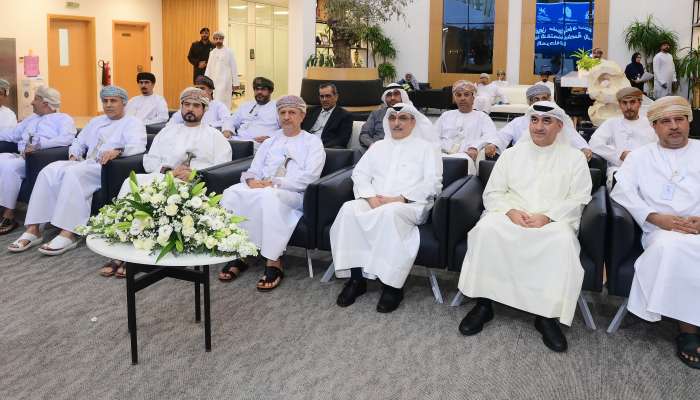
This latest agreement signifies a continued partnership between Oman and Kuwait, aimed at bolstering economic progress across the Sultanate. The financing, totaling approximately OMR 12.4 million, will be specifically allocated to the second phase of the internal roads project within SEZAD. Sultan Salim Al Habsi, Minister of Finance of Oman, and Waleed Shamlan Al-Bahar, Acting Director General of the Kuwait Fund, formally signed the agreement, underscoring the importance of this collaboration.
The project isn’t simply about laying asphalt; it’s a strategic investment in the future of Duqm. It’s designed to support the broader economic and social development goals of the zone, creating a more attractive and functional environment for both residents and businesses. This includes facilitating smoother transportation networks and enhancing the overall quality of life.
Project Scope: Connecting Communities and Industry
The scope of the second phase of the Duqm internal roads project is comprehensive, addressing key areas within the Special Economic Zone. Development will focus on both main and secondary road networks, specifically paving internal roads in the First and Second Residential Areas, as well as the crucial Industrial Area. This will directly improve accessibility for citizens residing within SEZAD and streamline logistical operations for companies operating there.
Key Components of the Infrastructure Upgrade
Beyond the road paving itself, the project incorporates several vital supporting elements:
- Storm Water Drainage Systems: Essential for managing rainfall and preventing disruptions, especially during the khareef season.
- Traffic Safety Equipment: Modernizing safety infrastructure contributes to a more secure transportation environment.
- Utility Relocation: Carefully planned relocation of existing utilities is necessary to avoid conflicts during construction.
- Consultancy Services: Ensuring expert guidance and oversight throughout the project lifecycle.
These complementary infrastructural improvements demonstrate a holistic approach to development, recognizing the interconnectedness of various systems within a thriving economic zone. The aim is to create not just a functional, but a comfortable and sustainable living and working environment.
Strategic Alignment with Oman Vision 2040
The development of SEZAD and its infrastructure, including the improvement of Duqm internal roads, is deeply rooted in the goals outlined in Oman Vision 2040. This national strategy emphasizes economic diversification, sustainable development, and enhancing the quality of life for Omani citizens.
The Special Economic Zone at Duqm is envisioned as a major industrial and logistics hub. By improving the transport network within the zone, this investment directly supports the development of key industries, such as shipbuilding, petrochemicals, and renewable energy. This is attracting both domestic and foreign investment, ultimately contributing to the Sultanate’s economic resilience.
Furthermore, the focus on developing residential schemes alongside industrial areas reflects a commitment to balanced growth, ensuring that those employed in the zone have access to suitable housing and amenities. This focus on integrated development is a defining characteristic of Oman’s strategic planning.
Project Readiness and Future Outlook
Eng. Ahmed Hassan Al Dheeb, Vice Chairman of the Public Authority for Special Economic Zones and Free Zones (OPAZ), confirmed that the Authority has meticulously prepared for this second phase. All project components have been finalized, including detailed plans and robust tendering processes. Currently, OPAZ is meticulously conducting a technical analysis of the bids received for project execution, ensuring the selection of a qualified and capable contractor.
Waleed Shamlan Al-Bahar highlighted the Kuwait Fund’s enthusiasm for supporting Oman’s developmental efforts. He emphasized that this funding exemplifies the Fund’s commitment to fostering economic growth and improving infrastructure in Arab nations. This project builds on previous collaborations, indicating a strong and ongoing relationship.
The signing ceremony was notably attended by Qais Mohammed Al Yousef, Chairman of OPAZ, underscoring the high-level support for the project and its strategic importance to the nation.
Investing in Oman’s Future
The completion of the second phase of the Duqm internal roads project will mark another significant milestone in the development of SEZAD and its journey to becoming a world-class economic zone. This investment isn’t simply about building roads; it’s about creating opportunities, attracting investment in key sectors, and improving the lives of Omani citizens. The forward-thinking infrastructure improvements within SEZAD, coupled with the ongoing support of partners like the Kuwait Fund, demonstrate Oman’s dedication to achieving the ambitious goals of its Vision 2040.
For those interested in learning more about investment opportunities in the Special Economic Zone at Duqm, or exploring Oman’s broader economic development plans, visiting the OPAZ website (https://opaz.om/) is a great starting point. The improved connectivity fostered by this project will undoubtedly make Duqm an even more appealing destination for businesses seeking to establish a presence in a rapidly growing and strategically important region.