






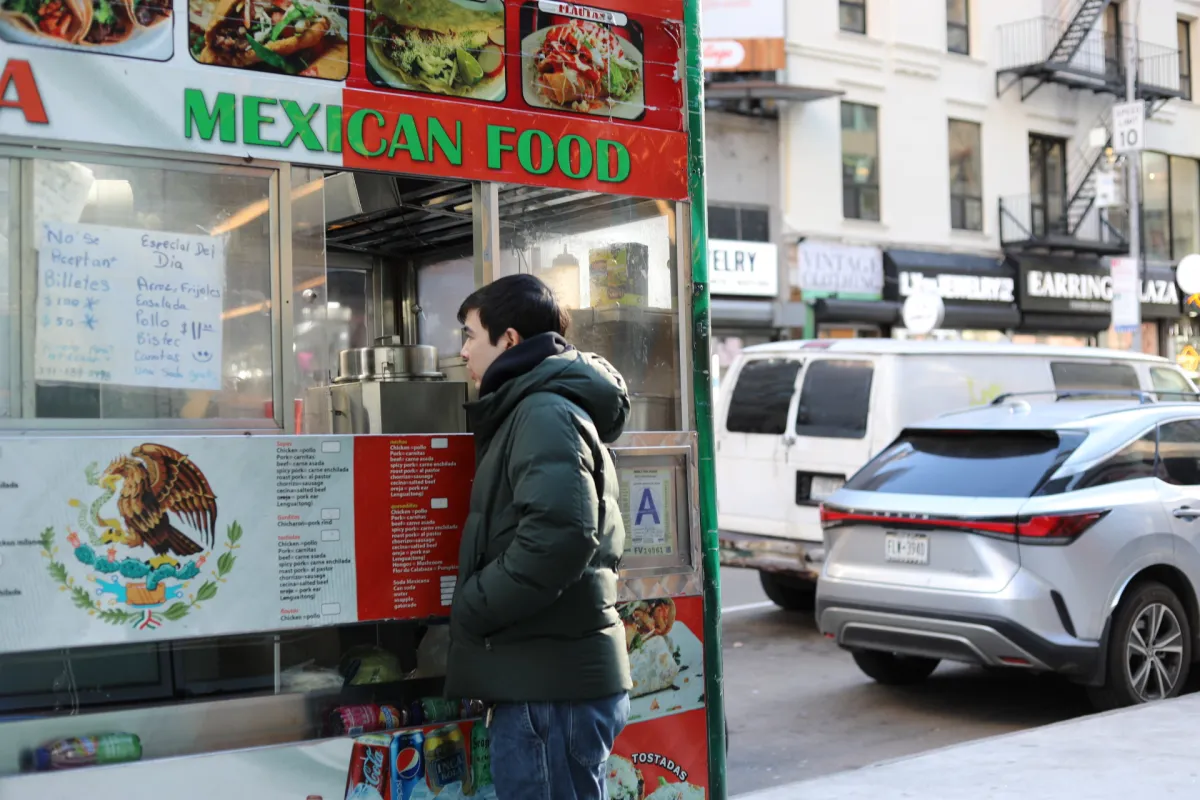

New York City’s iconic food carts, known for their diverse culinary offerings, may soon be powered by a cleaner, quieter energy source. A Brooklyn-based startup, PopWheels, is piloting a program to replace traditional gas generators with repurposed e-bike batteries, beginning with La Chona Mexican on Manhattan’s 30th Street and Broadway. This initiative aims to address the noise and air pollution associated with current food cart operations, potentially revolutionizing the city’s street food scene.
The Push for Electric Food Carts in NYC
For years, the smell of exhaust from the generators powering lights and other equipment on food carts has been a persistent issue for both vendors and customers. These generators are often noisy and contribute to localized air pollution. PopWheels’ solution leverages its existing network of battery swapping stations, originally designed for e-bike delivery workers, to provide a sustainable alternative. The company’s CEO, David Hammer, described the project as a natural extension of their core business.
Addressing Infrastructure Challenges
A key challenge in electrifying food carts has always been the logistics of power distribution and charging. PopWheels believes its existing infrastructure, with 30 charging cabinets already deployed across Manhattan, provides a viable solution. The company currently supports gig workers using popular e-bike models like Arrow and Whizz, maintaining a standardized battery supply. This existing network allows for relatively easy adaptation to serve the needs of food cart vendors.
Currently, many e-bike delivery workers rely on bodegas for charging services, often paying around $100 per month, with the total annual cost, including battery wear, approaching $2,000, according to PopWheels. Their own service offers unlimited access for $75 per month and currently has a waitlist. The startup’s charging cabinets are designed with safety in mind, including systems to quickly extinguish potential battery fires – a concern that gained prominence in New York City in recent years.
How the System Works for Vendors
PopWheels estimates that a typical food cart spends approximately $10 per day on gasoline to power its generator, primarily for lighting as cooking is usually done with propane. The company proposes a subscription model that would cost vendors roughly the same amount, providing access to four batteries daily. These batteries can deliver around five kilowatt-hours of electricity, sufficient for many carts’ needs. Vendors requiring more power can swap batteries midday at a PopWheels station.
Initial trials have been positive, with food cart owners noting the significant reduction in noise. Hammer reported that multiple vendors expressed immediate interest in adopting the system after experiencing a quieter, fume-free operation. The company built a prototype adapter and tested it at New York Climate Week last year at the Brooklyn Navy Yard before partnering with the non-profit Street Vendor Project for further development.
Beyond E-bikes: PopWheels’ Broader Vision
The initial foray into powering food carts stems from a broader vision of creating a versatile urban battery swapping infrastructure. Hammer believes that a robust, fire-safe network can support a variety of applications beyond e-bikes, including potentially powering construction equipment or temporary event setups. This concept positions PopWheels as a provider of energy-as-a-service within the city.
The economic benefits for vendors are a central part of PopWheels’ pitch. By offering a cost-competitive alternative to gasoline, the company aims to make the transition to electric power financially attractive. Additionally, the system addresses quality-of-life concerns related to noise and fumes, potentially enhancing the customer experience and improving the working conditions for vendors.
The move towards electric food carts aligns with New York City’s broader decarbonization goals. The city is actively seeking ways to reduce emissions from various sectors, and transitioning street vendors away from fossil fuels represents a tangible step in that direction. This initiative also supports the growing demand for sustainable business practices and environmentally friendly options within the urban landscape. Related efforts include exploring electric options for other city fleets and incentivizing the adoption of renewable energy sources.
PopWheels plans a wider rollout of the battery-powered food cart system this summer. The company is currently focused on expanding its network of charging cabinets and refining the battery adapter for different cart configurations. Success will depend on the scalability of the infrastructure, the affordability of the subscription model, and the continued collaboration with the Street Vendor Project and other stakeholders. The long-term impact on the city’s air quality and the adoption rate among vendors remain to be seen, but the initial response suggests a promising future for electric street food in New York City. The availability of government incentives and the development of standardized battery connections for food carts will also be key factors to watch.