






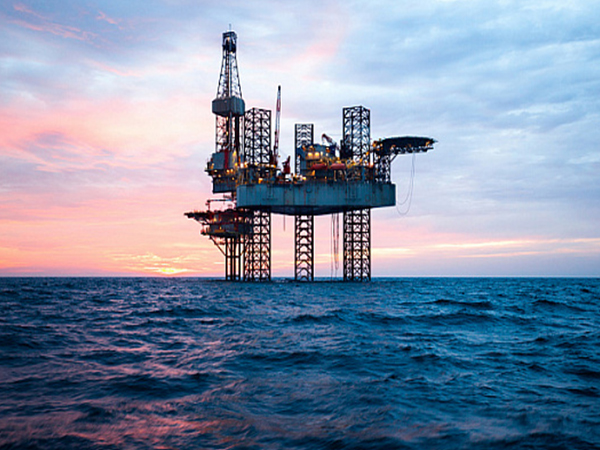

Myanmar is actively strengthening its energy sector through expanded collaborations with key international partners, signaling a significant push to increase natural gas production and meet growing regional demand. Recent reports from the Ministry of Energy outline deepening ties with China, India, Thailand, Russia, and countries in the Middle East, focused on both exploration and augmenting output from existing fields. This strategy is pivotal for Myanmar’s economic development and its role as a regional energy supplier.
Boosting Myanmar’s Natural Gas Production: A Collaborative Approach
Myanmar’s energy landscape is undergoing a transformation, driven by increasing domestic consumption and a surge in demand from neighboring countries, particularly China and Thailand. The government recognizes the need for substantial investment and technological expertise to unlock the full potential of its reserves. Consequently, a multi-pronged approach centered around international partnerships is being aggressively pursued.
The focus isn’t simply on extracting more resources; it’s about doing so efficiently and sustainably. This involves not only exploring new offshore blocks but also revitalizing mature oil fields with cutting-edge technologies. This collaborative undertaking is designed to ensure a reliable energy supply for Myanmar and capitalize on lucrative export opportunities.
Strategic Partnerships: A Regional Network
The Ministry of Energy’s announcements highlight specific initiatives with each partner nation.
- China: Cooperation with China is perhaps the most ambitious, encompassing technology transfer, capital investment in offshore blocks, and plans to construct a new oil refinery utilizing crude oil transported via the existing Myanmar-China crude oil pipeline. Discussions are also underway regarding upgrades to existing fertilizer plants, crucial for supporting Myanmar’s agricultural sector.
- India: India is currently engaged in oil and gas exploration and drilling activities in the waters near the Andaman Islands, leveraging its experience and technical capabilities. This collaborative effort extends Myanmar’s exploration reach into potentially rich new areas.
- Thailand: A longstanding partnership with Thailand is being deepened through joint investments in oil and natural gas projects located within the Ayeyawady, and Mottama sedimentary basins, and adjacent offshore areas. This existing infrastructure is proving key to future expansion.
- Russia: While details are less publicly available, collaboration with Russia centers around offshore oil and gas projects, likely bringing in valuable expertise in deepwater extraction.
- Middle East Countries: Engagement with nations in the Middle East aims to attract investment across the entire energy value chain, from exploration and production to refining and petrochemicals, utilizing their significant financial resources and experience.
These diverse partnerships represent a deliberate strategy to diversify risk and access a broad range of expertise.
Expanding Infrastructure & Utilizing Advanced Technology
Increasing natural gas production isn’t solely about finding more gas; it’s also about getting it to market efficiently. Myanmar is actively upgrading and expanding its energy infrastructure to support these ambitious plans.
Refining Capacity and the Crude Oil Pipeline
A key element of the Myanmar-China energy partnership is the construction of a new oil refinery. This refinery will be fed by crude oil delivered through the strategically important Myanmar-China crude oil pipeline, offering a secure and efficient supply route. Alongside the new refinery, existing facilities are slated for upgrades to increase their processing capacity and efficiency.
This increased refining capability will not only address domestic fuel needs but also enable Myanmar to produce higher-value petroleum products for export.
Revitalizing Mature Fields with Technology
A significant portion of Myanmar’s existing oil and gas fields are considered mature, meaning production has been declining over time. However, these fields still hold substantial reserves that can be unlocked through the application of advanced technologies.
Specifically, enhanced oil recovery (EOR) techniques – which involve injecting fluids into the reservoir to push out remaining oil – are being considered for implementation. These methods, combined with improved drilling and production technologies, represent a cost-effective way to boost output from existing infrastructure and maximize the return on investment. Investment in these technologies is a cornerstone of Myanmar’s plans to sustain and grow its energy sector.
The Growing Demand for Natural Gas in the Region
The rationale behind Myanmar’s push to increase natural gas production is firmly rooted in the escalating demand for cleaner energy sources in the region. China and Thailand, in particular, are experiencing rapid economic growth, requiring ever-increasing energy supplies. Natural gas is viewed as a crucial transitional fuel, offering a lower carbon footprint compared to coal and oil.
This demand provides a significant opportunity for Myanmar to become a key energy exporter. The country’s geographical location, combined with its untapped reserves, positions it ideally to contribute to regional energy security. Successfully leveraging this opportunity will not only drive economic growth but also attract further foreign investment into the energy sector. The increase in natural gas production is also contributing to domestic energy needs, reducing reliance on imports and improving energy independence.
Furthermore, exploration projects and resource development offer substantial economic benefits in terms of job creation and local community development.
In conclusion, Myanmar’s strategic collaborations with China, India, Thailand, Russia, and Middle Eastern countries represent a decisive move to elevate its position as a regional energy hub. The focus on both expanding exploration and utilizing cutting-edge technology to enhance production from mature fields, coupled with the escalating demand for natural gas production in the surrounding economies, paints a promising outlook for Myanmar’s energy future. For further information on Myanmar’s energy developments and investment opportunities, please refer to the Ministry of Energy’s official publications and explore regional energy market reports.