



Dubai’s Roads and Transport Authority (RTA) successfully transported 2.8 million passengers across its various public transport networks on New Year’s Eve, December 31st, 2023, as celebrations drew large crowds to key entertainment areas. This substantial number represents a considerable increase in ridership compared to typical days, demonstrating the RTA’s critical role in facilitating movement during major events in Dubai. The figures showcase the agency’s preparedness for managing high demand while ensuring smooth and efficient public transport services.
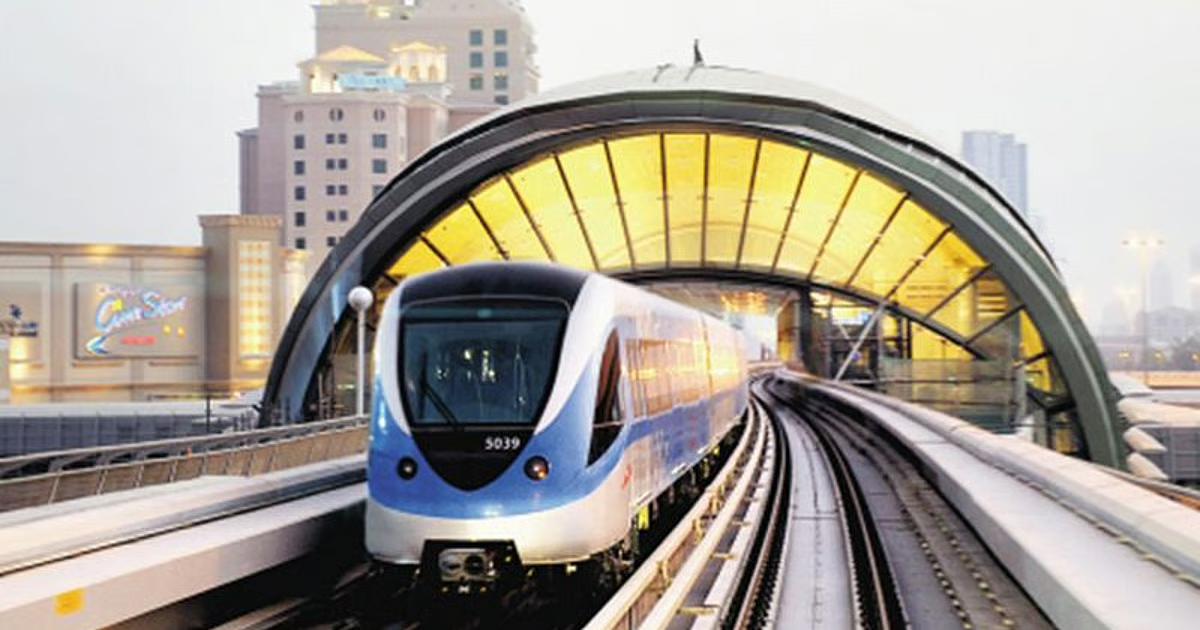
The bulk of this passenger volume utilized the Dubai Metro, with 1.46 million riders. This heavily favored mode of transport was chosen to avoid road congestion and avail of extended operating hours implemented by the RTA for the occasion. Approximately 1.34 million people also used Dubai’s bus services, along with a combined use of taxis and other transport means to reach their destinations.
RTA New Year’s Eve Transport: Record Numbers and Operational Strategies
The 2.8 million passenger figure represents a significant effort by the RTA to accommodate the influx of people traveling to attractions like Burj Khalifa, Dubai Marina, and various event venues throughout the city. According to the RTA, this number nearly equaled the total number recorded during the entire Expo 2020 Dubai event. The agency’s proactive planning contributes significantly to Dubai’s reputation for hosting large-scale, well-managed events.
Dubai has become a global hub for New Year’s celebrations, drawing tourists and residents alike with extravagant fireworks displays and entertainment options. This, predictably, places a huge strain on the city’s infrastructure and transport systems. The RTA has consistently adapted to meet these challenges, employing strategies to optimize capacity and passenger flow.
Metro’s Dominance and Extended Hours
The Dubai Metro, particularly the Red Line, remained the most popular option throughout the evening. This isn’t surprising given its direct access to many key celebration areas. The RTA had extended the Dubai Metro operating hours until 2:00 AM the following day, serving stations after the conclusion of the main events.
To handle the overwhelming queues, the RTA deployed additional staff and utilized all available trains at maximum capacity. Furthermore, they implemented a unified ticket system, allowing passengers to seamlessly transition between different modes of transport, reducing delays. The focus on maximizing metro services was a clear success in managing the crowds.
Bus Network Contributions and Road Congestion Management
While the Metro handled the bulk of the traffic, Dubai’s bus network also played a crucial role. The RTA increased the frequency of buses on key routes leading to entertainment districts and implemented temporary route diversions to manage traffic flow.
Simultaneously, the RTA coordinated with the Dubai Police to manage road closures and traffic congestion around major event locations. This coordination ensured that taxis and other road-based transport could still operate, albeit with some delays. The implementation of these strategies aimed to provide viable alternatives and minimize disruption for residents.
Taxi and Ride-Hailing Service Demand
Despite the encouraged use of public transportation, demand for taxis and ride-hailing services remained high. The RTA reported a substantial increase in taxi trips during New Year’s Eve, though exact figures were not immediately available. To mitigate potential surge pricing and ensure availability, the RTA worked with ride-hailing companies to monitor and manage the situation.
However, reports from users indicated that finding available taxis after the fireworks displays was challenging, and that prices did increase in certain areas, even with the RTA’s oversight. This suggests that, while the authority successfully addressed many issues, some areas still experience peak demand pricing fluctuations.
The successful execution of the transportation plan involved substantial investment in infrastructure and technology, plus a dedicated team effort. This included real-time monitoring of passenger numbers, dynamic adjustment of service levels, and providing clear communication to the public regarding operating hours and route changes.
This year’s New Year’s Eve transport data provides valuable insights for future events and will contribute towards refining the RTA’s operational strategies. The agency is consistently exploring ways to improve the efficiency and capacity of its network, including the expansion of the Metro lines and the introduction of new bus routes. Future enhancements will also account for rising Dubai tourism rates and more mega-events.
The RTA’s ongoing infrastructure projects, such as the Route 2020 extension and the planned Blue Point metro station, are integral to the long-term goal of increasing public transport capacity. These projects are aimed at better connecting various parts of the city and reducing reliance on private vehicles.
Looking forward, the RTA is expected to publish a detailed report analyzing the New Year’s Eve transport operations within the next quarter. This report will likely include recommendations for improving future event transportation plans. Monitoring population growth and planned events are key elements in the RTA’s planning process. Further observation of demand surges during popular events will allow the RTA to calibrate their system proactively.