


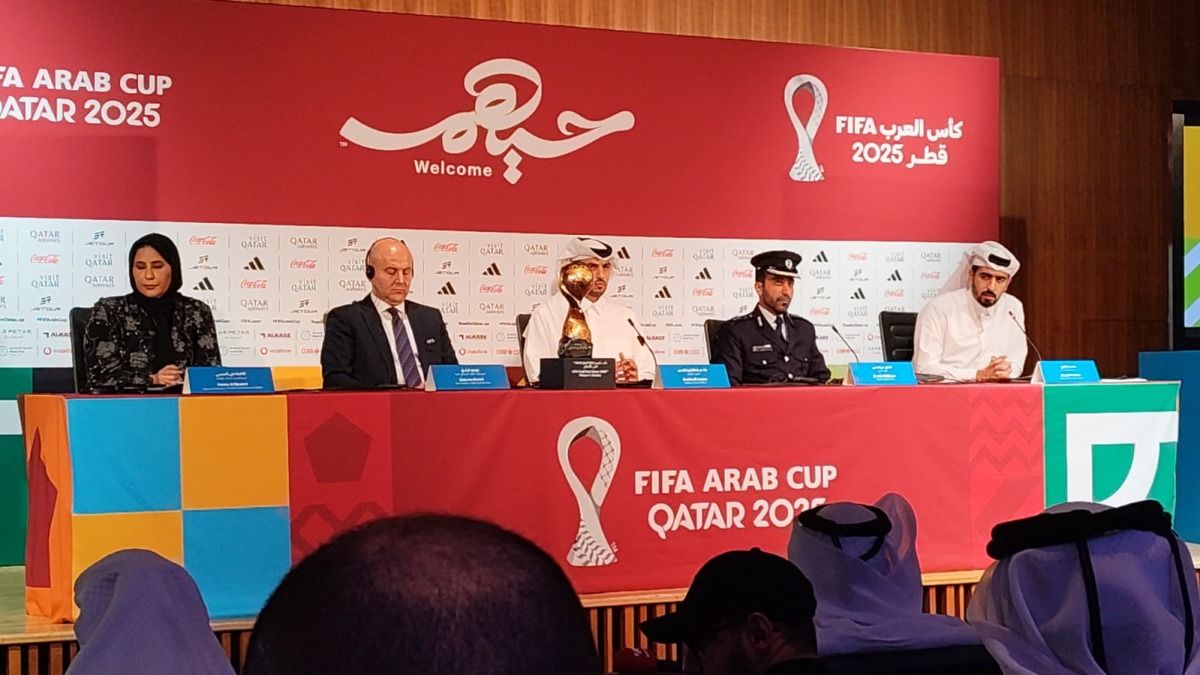

Qatar is finalizing preparations to host the 2023 FIFA Arab Cup, with organizers confirming exceptional readiness and record-breaking ticket sales. The tournament, a significant event in the Arab world’s football calendar, is set to kick off on Monday, December 30th, with Qatar facing Palestine at Al Bayt Stadium. Over 700,000 tickets have already been sold, signaling a high level of regional and international interest in the competition.
Qatar Confident in Delivering a Successful FIFA Arab Cup
Jassim Al Jassim, CEO of the Local Organising Committee for Football Events, announced the impressive ticket numbers during a press conference held at the Qatar National Convention Centre (QNCC) on Saturday. Approximately 210,000 tickets were purchased by fans traveling from outside Qatar, with Jordan and Saudi Arabia representing the largest contingents of international supporters. A final release of tickets for the opening ceremony was scheduled for Saturday, and all ticket holders will be granted complimentary access to the Doha Metro system.
Ticket Demand and Fan Travel
The high demand for tickets suggests anticipation for a well-organized and competitive tournament. Organizers are preparing for a significant influx of fans, particularly from neighboring Arab nations, and are confident in the country’s ability to accommodate them. The free metro access is a key component of easing potential transportation challenges during the event.
This event follows a busy season for Qatar in hosting major football competitions, including the Asian Games and the FIFA Intercontinental Cup. According to Al Jassim, the Arab Cup is expected to draw the largest crowds of these recent events, building on the infrastructure and experience gained from hosting the 2022 FIFA World Cup.
Infrastructure and Legacy
Qatar’s investment in world-class sporting infrastructure has been a central theme of its recent hosting endeavors. The eight stadiums used for the World Cup, including Al Bayt Stadium which will host the opening match, are all prepared to host matches during the Arab Cup. This reuse of facilities demonstrates a commitment to sustainability and maximizing the legacy of the World Cup.
FIFA Head of Youth Tournaments, Roberto Grassi, echoed the sentiment of confidence in Qatar’s hosting capabilities. He highlighted the country’s two decades of experience in hosting major sporting events and praised the 2022 FIFA World Cup as a benchmark for future tournaments. Grassi expressed optimism for another “spectacular tournament” in Qatar.
The FIFA Arab Cup serves as a crucial preparation opportunity for Qatar as it continues to establish itself as a leading sports hub in the Middle East. The tournament also provides valuable competitive experience for Arab national teams, fostering football development across the region. The competition features 16 teams and will be played across several stadiums in Doha and surrounding areas.
The opening ceremony is scheduled to begin at 5:30 PM local time, setting the stage for the first match between Qatar and Palestine. The tournament is expected to last for several weeks, culminating in the final match on December 16th. Official FIFA information is available on their website.
Looking ahead, organizers will focus on smooth operational execution during the tournament, paying close attention to fan experience, security, and transportation. The event’s overall impact on tourism and the local economy will be closely monitored. Any unforeseen challenges related to weather conditions or logistical issues will be key factors to watch as the FIFA Arab Cup progresses.
Beyond the immediate success of the tournament, the long-term benefits of Qatar’s continued investment in sports infrastructure and event hosting remain to be seen. The country is actively bidding for future major sporting events, and the Arab Cup represents another opportunity to showcase its capabilities on the global stage. The Peninsula Qatar has ongoing coverage of the event.
The success of the Arab Cup will also be a significant indicator of the continued growth of football in the Arab region, potentially inspiring further investment and development in the sport. The tournament’s impact on youth engagement and participation in football will be another important area to assess in the coming months. BeIN SPORTS will be broadcasting matches throughout the region.