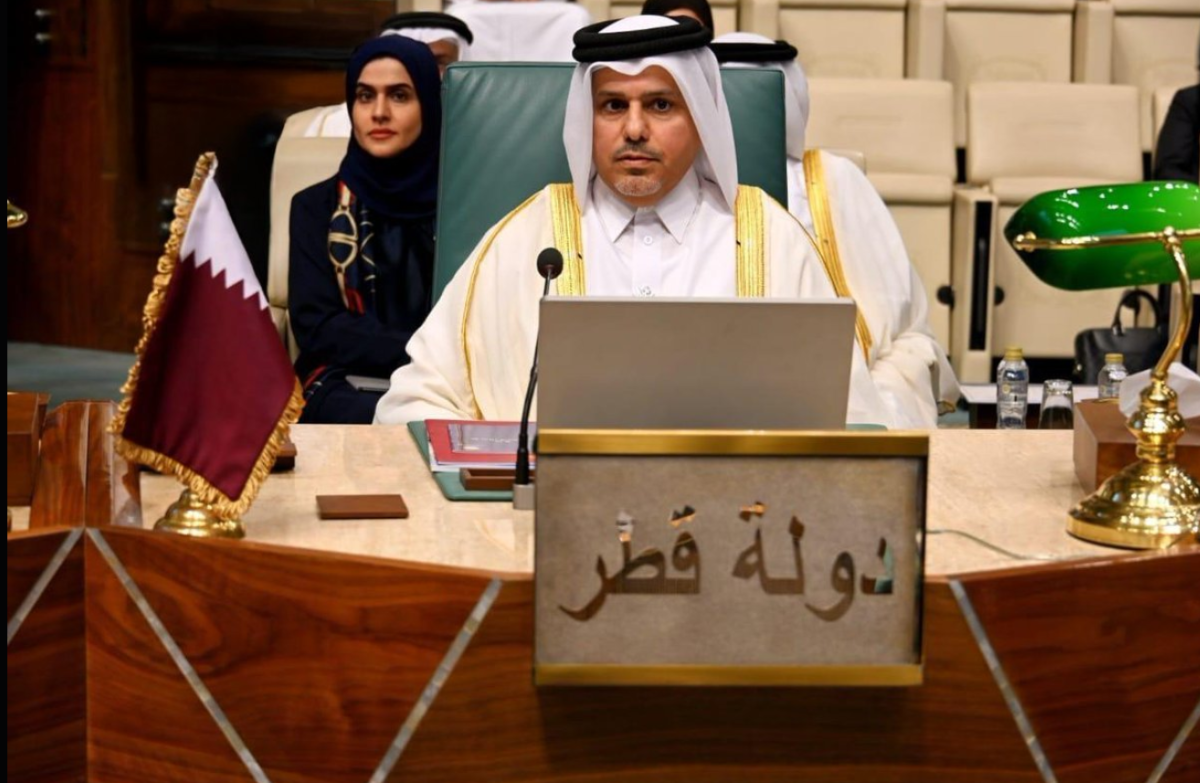

Cairo hosted the 55th Ordinary Session of the Council of Arab Information Ministers on Wednesday, with the State of Qatar actively participating. The meeting, held at the Arab League headquarters, centered on strengthening Arab media cooperation and addressing critical regional issues. Qatar’s delegation, led by Abdullah Ghanem Al Muhannadi of Qatar Media Corporation (QMC), engaged in discussions focused on bolstering unified media strategies.
The session brought together information ministers from across the Arab world to discuss a range of pressing concerns, with a particular emphasis on supporting the Palestinian cause. Discussions also covered recommendations from the Permanent Committee for Arab Media and the executive bureau of the council, aiming to enhance media initiatives at a pan-Arab level. This gathering underscores the continued importance of coordinated communication strategies within the region.
Strengthening Arab Media Cooperation
The primary objective of the 55th session was to reinforce collaborative efforts in the media landscape across Arab nations. According to reports from the Arab League, ministers explored avenues for improved information sharing and joint production of media content. This push for greater media cooperation comes amid increasing regional complexities and a perceived need for a unified narrative.
Focus on the Palestinian Cause
A significant portion of the discussions revolved around amplifying support for the Palestinian cause through media channels. Ministers reportedly examined strategies to counter what they view as biased reporting and to highlight the realities faced by Palestinians. This reflects a longstanding commitment within the Arab League to advocate for Palestinian rights on the international stage.
Additionally, the council addressed the challenges of combating disinformation and promoting responsible journalism. The rise of social media and the spread of false narratives have prompted calls for enhanced media literacy and fact-checking initiatives throughout the Arab world. These efforts aim to safeguard the integrity of information and foster public trust in media outlets.
The session also considered recommendations stemming from the 103rd ordinary session of the Permanent Committee for Arab Media, chaired by Abdulrahman bin Nasser Al Obaidan. These recommendations, previously reviewed by the council’s executive bureau, covered a broad spectrum of media-related topics, including digital media regulation and the protection of intellectual property rights. The Permanent Committee plays a crucial role in formulating policy proposals for the Council of Arab Information Ministers.
Qatar’s participation, led by Abdullah Ghanem Al Muhannadi, signals the nation’s commitment to regional information policy and its willingness to contribute to collective Arab media strategies. QMC has been increasingly involved in international media collaborations, and this engagement aligns with Qatar’s broader foreign policy objectives. The delegation’s presence underscores the importance Qatar places on maintaining strong relationships with its Arab counterparts.
Meanwhile, the ministers also touched upon the evolving landscape of digital media and its impact on traditional broadcasting. The increasing popularity of online platforms and streaming services presents both opportunities and challenges for Arab media organizations. Discussions explored ways to adapt to these changes and leverage digital technologies to reach wider audiences.
In contrast to previous sessions, this meeting placed a greater emphasis on the role of artificial intelligence (AI) in media production and distribution. The potential benefits and risks of AI were debated, with ministers acknowledging the need for ethical guidelines and regulatory frameworks to govern its use. This emerging technology is expected to significantly reshape the media industry in the coming years.
Looking ahead, the Arab League is expected to follow up on the recommendations adopted during the 55th session. Implementation timelines and specific action plans are anticipated to be developed in the coming months. The effectiveness of these initiatives will depend on the commitment of member states to allocate resources and prioritize media development. Further details regarding the next steps are expected to be released by the Arab League in early 2024.