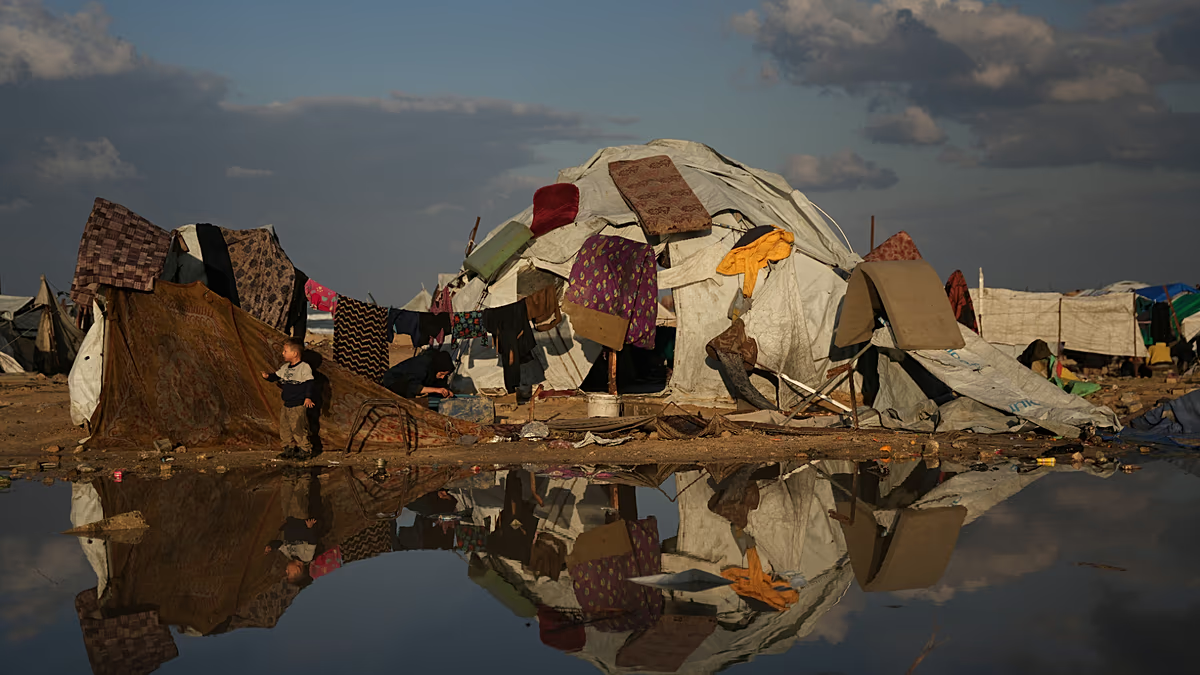

Heavy rainfall caused significant flooding in the Muwasi area of Gaza on Tuesday, exacerbating the already dire conditions for displaced Palestinians. The storm inundated tents and makeshift shelters, leaving families with limited protection from the elements and raising fears as winter approaches. The situation highlights the urgent need for improved Gaza shelter and humanitarian access to the region.
The flooding, which occurred overnight, left muddy water several inches deep throughout the Muwasi camp, a coastal area west of Khan Younis where many Palestinians have sought refuge from the ongoing conflict. Reports indicate children were seen walking barefoot after losing their shoes in the floodwaters, and families are struggling to salvage what few possessions remain. This latest event adds to the mounting challenges faced by the displaced population.
The Deteriorating Situation for Displaced Palestinians in Gaza
The overnight storm is a stark reminder of the vulnerability of those displaced by the conflict in Gaza. Many have been living in tents or hastily constructed shelters with limited protection from the weather. According to the United Nations Relief and Works Agency for Palestine Refugees in the Near East (UNRWA), over 1.7 million people – more than 75% of Gaza’s population – are internally displaced due to the fighting.
The immediate impact of the rain has been the destruction of belongings and the increased risk of waterborne diseases. Displaced individuals have expressed fear not only of the ongoing war but also of future storms, which threaten to further erode their already precarious living conditions. This psychological toll is a significant, often overlooked, aspect of the humanitarian crisis.
Calls for Improved Infrastructure and Aid Delivery
Local officials are urgently calling for the provision of more durable shelter options for the displaced. They are also requesting immediate repairs to drainage systems to mitigate the impact of future rainfall. The current infrastructure is largely inadequate to handle the needs of the massive influx of people, and the recent storm exposed these critical shortcomings.
However, aid organizations are warning that restrictions on access imposed by Israel are significantly hindering relief efforts. These limitations impact the delivery of essential supplies, including winter clothing, blankets, and materials for building more robust shelters. The World Food Programme has repeatedly highlighted the difficulties in reaching those in need within Gaza.
The situation is further complicated by the ongoing conflict and the destruction of infrastructure. Roads and buildings have been damaged, making it difficult to transport aid and reach affected communities. The lack of fuel is also a major constraint, impacting the operation of essential services like water purification and healthcare.
Winter Concerns and the Risk of Disease
As winter approaches, the risks to the displaced population are escalating. Cold temperatures and damp conditions increase the likelihood of respiratory infections and hypothermia. The lack of adequate housing and warm clothing leaves families particularly vulnerable, especially children and the elderly.
Additionally, the flooding has raised concerns about the spread of waterborne diseases. Contaminated water can lead to outbreaks of cholera, dysentery, and other illnesses, further straining the already overwhelmed healthcare system. Access to clean water and sanitation remains a critical challenge in Gaza.
The ongoing conflict has severely impacted Gaza’s healthcare infrastructure, with many hospitals and clinics damaged or destroyed. The remaining facilities are struggling to cope with the influx of patients and the shortage of medical supplies. This makes it even more difficult to respond effectively to potential disease outbreaks.
The international community continues to appeal for increased humanitarian assistance to Gaza. While aid is being provided, organizations emphasize that the scale of the crisis requires a significantly greater response. The focus remains on providing immediate relief to those affected by the flooding and preparing for the challenges of winter. The need for long-term humanitarian aid and a resolution to the conflict is paramount to ensuring the safety and well-being of the people of Gaza.
Looking ahead, the situation in Muwasi and other displacement camps in Gaza will likely remain precarious as long as the conflict continues and access for aid remains restricted. Monitoring the delivery of promised aid and advocating for improved living conditions for the displaced population will be crucial in the coming weeks and months. Individuals interested in supporting relief efforts can find information and donate to reputable organizations like UNRWA.