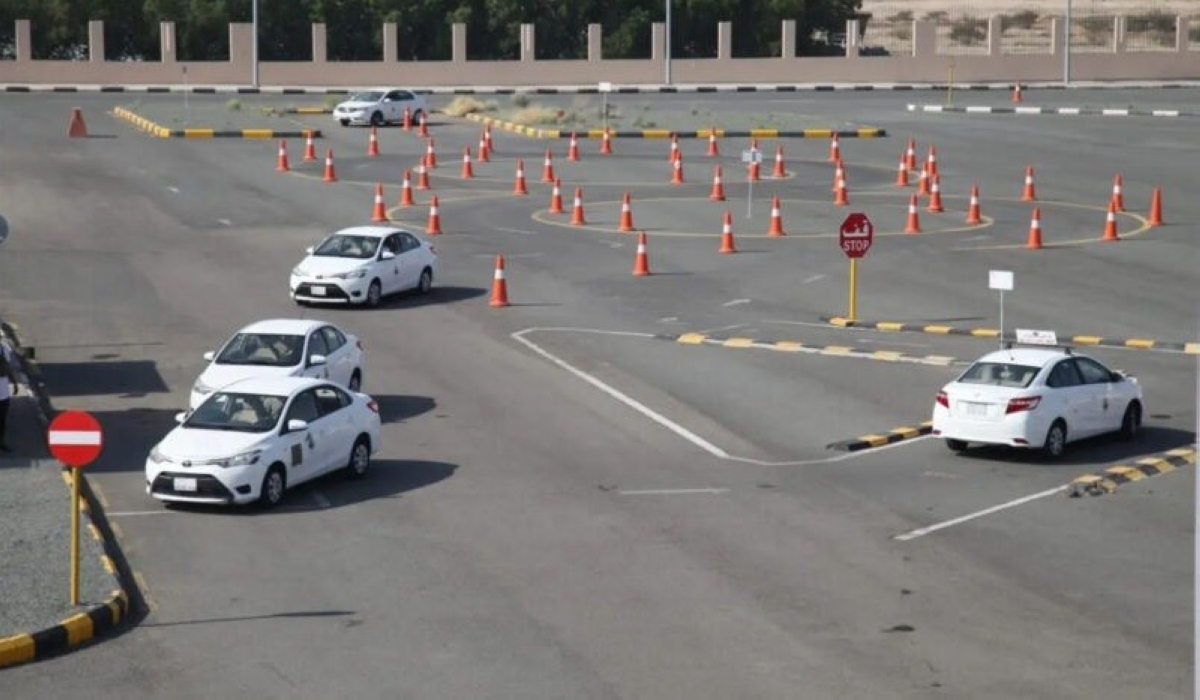

The General Directorate of Traffic in Saudi Arabia has announced plans for the establishment of five new driving schools across the Kingdom. Located in Riyadh, the Dammam metropolitan area, and the governorates of Al-Khurmah, Al-Khafji, and Al-Baydaa, these schools aim to expand access to driver education nationwide. The announcement, made on Sunday, initiates a bidding process for companies interested in operating the facilities.
This expansion of driver education infrastructure is slated to begin with a one-month application window, during which interested businesses can receive detailed terms and conditions from the General Directorate of Traffic – Traffic Licenses Department via email at [email protected]. The move is part of ongoing efforts to improve road safety and standardize driver training qualifications throughout Saudi Arabia.
Expanding Driving School Access in Saudi Arabia
Currently, the availability of driving schools is unevenly distributed across the Kingdom. Major urban centers like Riyadh and Jeddah generally have ample options, but rural and less populated areas often face significant shortages. This disparity can lead to longer wait times for lessons, and potentially, lower overall driver proficiency in those regions.
The addition of driving schools in Al-Khurmah, Al-Khafji, and Al-Baydaa directly addresses this geographic imbalance. These governorates represent diverse regions of the country, each with its unique transportation needs and challenges. The initiative hopes to bring standardized driver training closer to residents.
The Current Landscape of Driver Education
Saudi Arabia has been undergoing significant social and economic reforms in recent years, including changes to the regulations surrounding women driving. The lifting of the ban in 2018 led to a surge in demand for driving lessons and a corresponding need for more qualified instructors and facilities.
Previously, driver training was largely informal, relying on personal connections or unregulated instruction. The government has increasingly focused on formalizing and standardizing the process. This includes establishing clear curriculum guidelines and implementing stricter licensing requirements for driving schools and instructors. The objective being to enhance road safety.
According to data released by the Saudi General Statistics Authority, the number of licensed drivers in the Kingdom continues to grow. This increase underscores the necessity for adequate driver education resources to accommodate a larger and more diverse driving population and supports a growing emphasis on traffic safety.
The opening of these five schools is not merely a matter of increasing capacity. It also signals a commitment to raising the quality of instruction. The Directorate is likely to prioritize proposals that demonstrate advanced teaching methods, modern vehicle fleets, and a focus on defensive driving techniques.
The bidding process will be competitive, and criteria beyond simple availability may be considered. The government’s Vision 2030 roadmap emphasizes the importance of sustainable development and improved infrastructure. These new driving schools align with this broader vision by contributing to a safer and more efficient transportation system.
Furthermore, the initiative may spur economic activity in the selected governorates, creating employment opportunities for driving instructors, administrative staff and support personnel. The presence of well-maintained driving schools can also attract investment and contribute to the overall development of the local communities.
However, the successful implementation of this project hinges on attracting qualified and reputable operators. The terms and conditions outline by the Directorate of Traffic will be critical in ensuring that the selected companies adhere to the highest standards of driver education.
Meanwhile, existing driving schools in the Kingdom may face increased competition as a result of these new additions. This could incentivize them to improve their services, invest in updated equipment, and offer more competitive pricing. Ultimately, this competition could benefit consumers seeking driving instruction.
In contrast to past practices, the Directorate emphasizes a transparent and regulated bidding process. This approach minimizes the potential for corruption and ensures that the selected companies are genuinely committed to providing quality driver education. This represents a shift toward more professional and accountable practices within the sector.
The specific curriculum to be offered at these new schools will likely be aligned with national standards established by the Ministry of Transport and Logistic Services. These standards typically cover both theoretical knowledge of traffic laws and practical driving skills development. Emphasis on responsible driving behavior and hazard perception is anticipated.
As Saudi Arabia continues to modernize and expand its infrastructure, the demand for skilled and responsible drivers will only increase. These new driving schools are a proactive step toward meeting that demand and fostering a culture of road safety. The initiative also supports the Kingdom’s broader goals of economic diversification and social progress.
The next crucial step is the evaluation of submitted proposals, with a selection announcement expected within two months of the application deadline. The Directorate will then oversee the establishment and licensing of the new facilities, ensuring full compliance with regulatory requirements. The timeline for actually opening of the schools is still unclear, with factors like construction, staffing, and vehicle procurement potentially influencing the launch dates. Continuous monitoring of the program’s impact on traffic safety indicators will be essential to assess its long-term effectiveness.