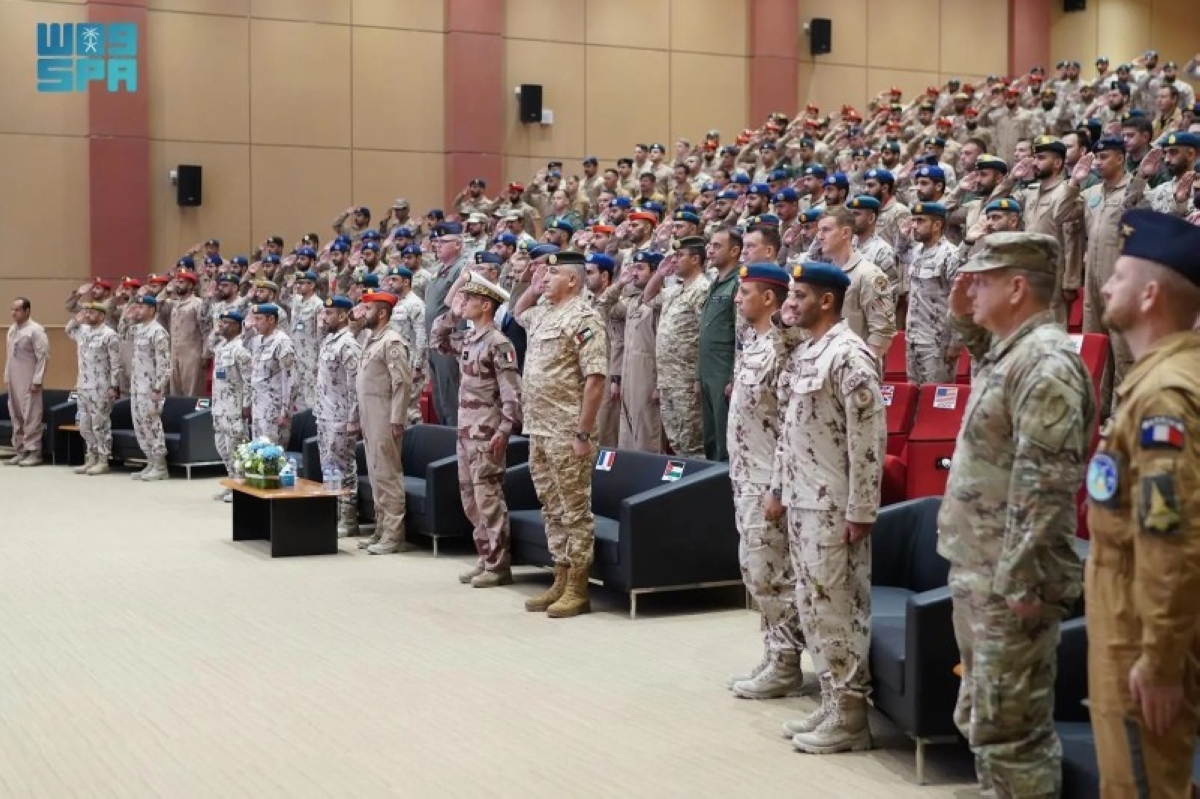

The Royal Saudi Air Force (RSAF) recently concluded participation in “ATLC-35 Air and Missile Warfare Center Exercise” held in Abu Dhabi, United Arab Emirates. The joint military exercise, involving several allied nations, focused on bolstering air defense capabilities and enhancing operational readiness. This air exercise served as a crucial platform for skill refinement and collaborative strategy development among participating forces.
The exercise, which concluded this week, saw RSAF personnel engage in a wide range of training scenarios. These included both defensive and offensive air operations, close air support tactics, and critical combat search-and-rescue missions. The participation underscores Saudi Arabia’s commitment to regional security and interoperability with its partners.
Strengthening Regional Air Defense Through Joint Training
The ATLC-35 exercise is part of a continuing series of collaborative drills designed to improve air and missile defense coordination. These exercises are particularly important given the evolving security landscape in the Middle East, where threats from ballistic missiles and unmanned aerial vehicles are increasing. According to defense analysts, such joint training is vital for maintaining a credible deterrent.
RSAF Capabilities on Display
The RSAF deployed Tornado aircraft for the exercise, utilizing them in diverse roles. Pilots and ground crews conducted training in night flying, tactical airdrops, and air-to-air refueling, demonstrating a high level of proficiency. These capabilities are essential for maintaining operational effectiveness across a spectrum of potential conflicts.
Lt. Col. Hamad Al-Harbi, commander of the RSAF contingent, stated the exercise successfully met its objectives. He highlighted the valuable exchange of military expertise and the improvement in combat readiness achieved through simulating real-world conditions. The commander also emphasized the professionalism displayed by both pilots and ground personnel.
The exercise wasn’t solely focused on the RSAF. Participating forces from other nations also contributed to the training, fostering a deeper understanding of each other’s doctrines and procedures. This interoperability is a key benefit of these joint military endeavors, allowing for more effective responses to shared security challenges.
Focus on Modern Warfare Tactics
The ATLC-35 exercise incorporated modern warfare tactics, including electronic warfare and cyber defense elements. This reflects a growing recognition of the importance of these domains in contemporary conflicts. The integration of these elements into the training scenarios ensures that participating forces are prepared for the complexities of modern battlefields.
The inclusion of missile defense training is particularly noteworthy. The proliferation of ballistic missiles in the region poses a significant threat, and exercises like ATLC-35 are crucial for developing the capabilities needed to counter this threat. The report indicates that the exercise involved simulated missile launches and interception scenarios.
Additionally, the exercise provided an opportunity to assess and refine command and control structures. Effective communication and coordination are essential for successful joint operations, and the ATLC-35 exercise allowed participants to identify areas for improvement in these areas. This is especially important when dealing with complex, multi-national operations.
The United Arab Emirates has emerged as a key hub for regional military cooperation, hosting numerous exercises and training programs. This reflects the UAE’s commitment to enhancing security in the region and its willingness to invest in the development of its military capabilities. The country’s advanced infrastructure and strategic location make it an ideal venue for such events.
The successful completion of the air exercise highlights the strong relationship between Saudi Arabia and the United Arab Emirates. Both countries share common security concerns and are committed to working together to address these challenges. This collaboration extends beyond military exercises to include intelligence sharing and joint patrols.
The RSAF’s participation in ATLC-35 also demonstrates the ongoing modernization of the Saudi armed forces. Saudi Arabia has been investing heavily in new military equipment and training programs in recent years, aiming to enhance its defense capabilities and reduce its reliance on foreign assistance. This modernization effort is driven by a desire to protect the kingdom’s interests and maintain regional stability. The military exercise is a key component of this strategy.
Looking ahead, further joint exercises are anticipated in the coming months. These will likely focus on refining the tactics and procedures developed during ATLC-35 and exploring new areas of cooperation, such as counter-terrorism and maritime security. The timing and scope of these future drills will depend on regional developments and the evolving security landscape. Continued investment in defense training and interoperability will be crucial for maintaining a credible deterrent and ensuring regional stability. The next major evaluation of the RSAF’s capabilities is scheduled for Q4 of next year, according to sources within the Saudi Ministry of Defense.