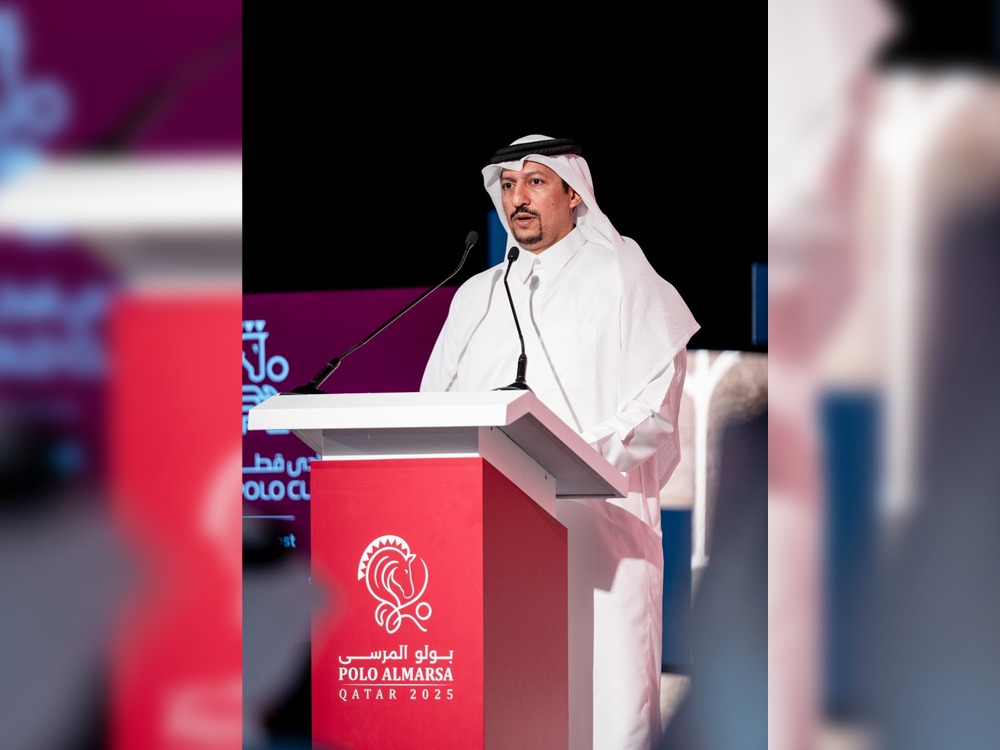

Doha, Qatar – The sport of polo is making its debut in Qatar with the inaugural Polo Al Marsa exhibition tournament, taking place at the Old Doha Port from December 11–13. This marks the official introduction of competitive polo to the country and signals Qatar’s intention to become a prominent player in the global polo scene, according to organizers. The event aims to broaden the appeal of a traditionally elite sport and leverage Qatar’s growing reputation for hosting international sporting events.
The three-day tournament, organized by the newly-formed Qatar Polo Club, will feature a unique 3-on-3 arena format, distinct from the traditional outdoor game. This condensed version is designed for greater spectator engagement, allowing views from just meters away from the action. The choice of the Old Doha Port, recently revitalized following the FIFA World Cup, aims to combine sport, tourism and Qatar’s cultural identity.
Introducing Polo to Qatar: A New Chapter for the “Sport of Kings”
Polo has long been associated with royalty and high society, but the Qatar Polo Club intends to change this perception within the country. Director General Fuad Al-Mudahka explained that the arena format, combined with the accessibility of the Old Doha Port venue, is a deliberate effort to make the sport more inviting to a wider audience. This is a strategic move to build interest and participation beyond existing equestrian circles.
Four teams – Doha, El Museo, Buenos Aires, and Santiago – will compete for the Polo Al Marsa Cup. A key feature of the teams is the inclusion of both seasoned polo players and emerging local Qatari talent, fostering a mentorship opportunity and accelerating the development of the sport within the nation. The composition focuses on intergenerational pairings within established polo families.
International Players and Local Development
The tournament boasts the participation of internationally renowned players, including Argentine superstar Pablo Mac Donough, currently competing in the Argentine Open, who will arrive in Doha with his son. This caliber of player adds significant prestige to the event. Joining them is Chilean star José Donoso and his son, further elevating the level of competition.
However, the emphasis extends beyond attracting top international players. The Qatar Polo Club is heavily invested in developing local polo players. Al-Mudahka revealed that four Qatari equestrians have already received overseas training, and a recent promotional tour in the UK generated positive attention. This investment signifies a commitment to long-term sustainability and growth of the sport within Qatar.
A permanent Qatar Polo Club facility is currently under construction in the Al Mazroua area and is projected to be completed within two to three years. This facility will include a fully-equipped academy aimed at attracting both junior and beginner players, alongside a capacity to develop multiple domestic teams. The ultimate goal is to create a robust domestic polo league.
Membership to the club, which operates under the Ministry of Sport, will soon be open to the public and will not require prior horse ownership. This inclusive approach is designed to lower barriers to entry and encourage broader participation. The club intends to focus on attracting individuals passionate about horses and dedicated to learning the sport.
Beyond the competitive aspect, Polo Al Marsa will incorporate traditional elements of the sport, such as divot-stomping during halftime and a best-dressed competition. These activities are meant to enhance the spectator experience and create a festive atmosphere, linking the game to its cultural origins.
The Qatar Polo Club has secured the tournament as an annual fixture on the Qatar Calendar for at least the next five years, benefiting from support from Visit Qatar and the Qatar–Argentina/Chile Years of Culture initiative. This long-term commitment signals confidence in the potential for polo to flourish as a niche sport within the region.
Looking ahead, the success of Polo Al Marsa will be measured by its ability to generate public interest and lay the foundation for a sustainable polo community in Qatar. The opening of the Al Mazroua facility in the coming years will be a crucial next step, along with continued development programs for Qatari players. The long-term viability depends on fostering local team creation and expanding participation beyond the initial wave of enthusiasm.