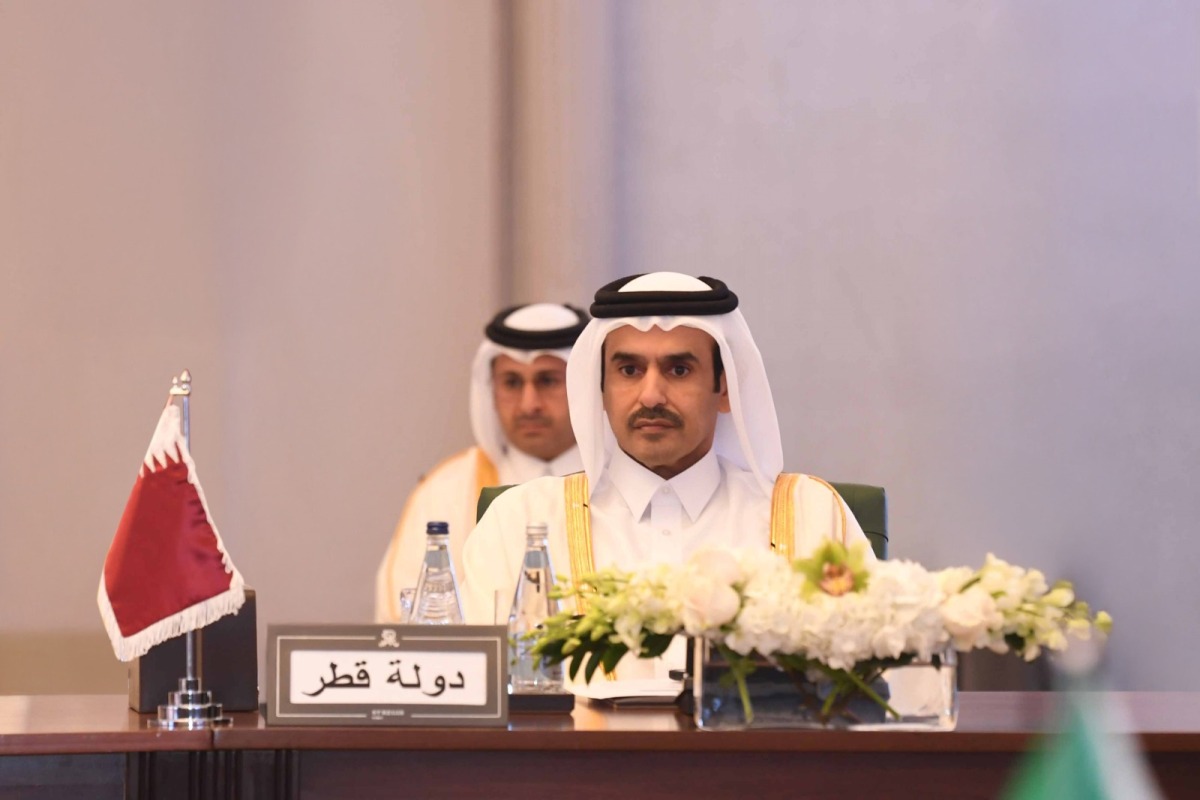

Kuwait City – The State of Qatar participated in the 115th Ministerial Council meeting of the Organization of Arab Petroleum Exporting Countries (OAPEC) held in Kuwait this week. The meeting focused on strategies to navigate the evolving global energy sector and ensure stability in oil markets. Discussions included the organization’s proposed budget for 2026 and a comprehensive development project aimed at modernizing OAPEC’s operations and brand identity.
Led by Minister of State for Energy Affairs HE Eng. Saad bin Sherida Al Kaabi, the Qatari delegation engaged in deliberations concerning the challenges and opportunities facing oil-producing nations. The meeting took place against a backdrop of fluctuating global oil prices and increasing international focus on renewable energy sources. OAPEC member states are seeking to strengthen collaboration to address these complex issues.
OAPEC Focuses on Modernization and Market Stability in the Energy Sector
The core of the discussions revolved around OAPEC’s ongoing efforts to adapt to the changing dynamics of the global energy sector. Kuwaiti Oil Minister Tareq Al Roumi, who chaired the meeting, emphasized the critical timing of these conversations, noting the rapid transformations and significant hurdles confronting the industry. He urged continued unity and enhanced coordination among member states to bolster market stability and OAPEC’s influence.
According to a statement from the OAPEC Secretariat, a development project initiated following a previous Council decision is nearing completion. This project, overseen by a specialized committee and the Executive Office, aims to reorganize the organization’s activities and launch a new corporate identity. The goal is to improve OAPEC’s effectiveness and relevance in the modern energy landscape.
Challenges Facing Arab Oil Producers
Several factors are contributing to the increased pressure on Arab oil-producing nations. These include the rise of alternative energy technologies, geopolitical instability in key oil-producing regions, and evolving consumer demand. Additionally, the global push for decarbonization is creating uncertainty about the long-term demand for fossil fuels.
The need for investment in new technologies and infrastructure was also a key theme. Member states acknowledged the importance of diversifying their economies and reducing their reliance on crude oil exports. This diversification is seen as crucial for ensuring long-term economic sustainability in the face of potential market disruptions.
The Development Project and Future Outlook
OAPEC Secretary-General Jamal Al Loughani highlighted the progress made on the development project, stating that the results demonstrate the organization’s commitment to transformation. He stressed the responsibility now falls on the Secretariat to build on these achievements and further enhance OAPEC’s performance. The organization is positioning itself to enter a “new historic phase,” according to Al Loughani, characterized by both opportunities and challenges.
The proposed 2026 budget is expected to reflect these priorities, with increased allocations for research and development, as well as initiatives aimed at promoting regional cooperation in the oil and gas industry. The budget will also likely address the need for enhanced data collection and analysis to better understand market trends and inform policy decisions.
The meeting also touched upon the importance of collaboration with international energy organizations, such as the Organization of the Petroleum Exporting Countries (OPEC). Strengthening these partnerships is seen as vital for promoting a stable and predictable global energy market.
Looking ahead, the Ministerial Council is expected to finalize the 2026 budget in the coming months. The implementation of the development project and the launch of the new OAPEC identity are also anticipated to occur within the next year. The success of these initiatives will depend on the continued commitment of member states to work together and address the complex challenges facing the global energy sector. The evolving geopolitical situation and the pace of the global energy transition remain key uncertainties to watch.
Source: The Peninsula Qatar
OAPEC Official Website
OPEC Official Website