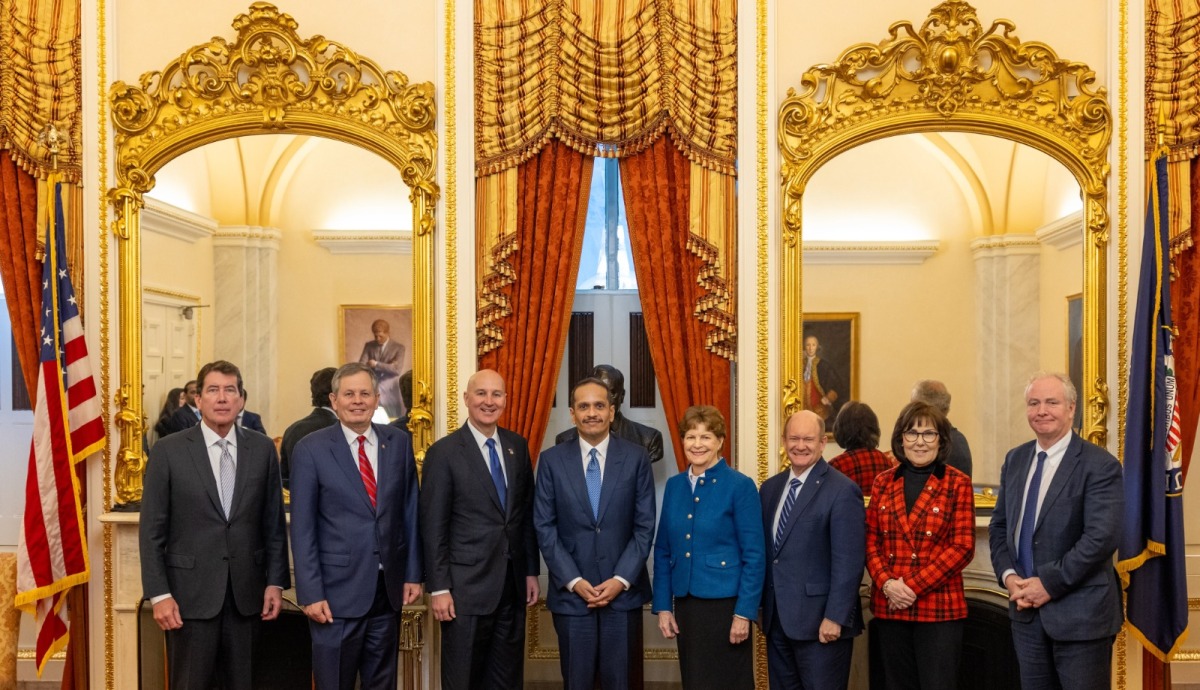

Washington D.C. – Qatari Prime Minister and Minister of Foreign Affairs Sheikh Mohammed bin Abdulrahman bin Jassim Al-Thani held discussions with members of the U.S. Senate Foreign Relations Committee in Washington on Tuesday. The meeting focused on strengthening the Qatar-US relations and addressing shared regional and international concerns. This engagement underscores the ongoing diplomatic efforts between the two nations as they navigate a complex geopolitical landscape.
The meeting took place as Qatar continues to play a significant role in mediation efforts, particularly regarding the conflict in Gaza, and as the United States seeks to reinforce alliances in the Middle East. Details released by the Qatari Ministry of Foreign Affairs indicate a broad range of topics were covered, though specific agreements or announcements were not immediately forthcoming. The visit highlights the importance both countries place on maintaining open communication channels.
Strengthening Qatar-US Relations Through Dialogue
The core of the discussion revolved around bolstering the strategic partnership between Qatar and the United States. This relationship has been cultivated over decades, built on cooperation in areas such as defense, security, and energy. According to analysts, Qatar serves as a crucial non-NATO ally for the U.S., particularly given its hosting of Al Udeid Air Base, a major hub for American military operations in the region.
Key Areas of Cooperation
Defense cooperation remains a cornerstone of the Qatar-US relations. The Al Udeid Air Base facilitates rapid response capabilities and logistical support for U.S. forces. Additionally, Qatar is a significant investor in the U.S. economy, with holdings in various sectors including real estate and infrastructure.
Energy security was also likely a prominent topic. Qatar is one of the world’s leading exporters of liquefied natural gas (LNG), and the U.S. has been seeking to diversify its energy sources, especially in light of global energy market volatility. Discussions may have included potential increases in LNG exports to the U.S. and collaboration on energy technology.
However, the relationship hasn’t been without its complexities. Recent years have seen some disagreements over issues like Qatar’s ties with certain regional actors and concerns regarding human rights. These sensitive areas are often addressed through diplomatic channels, as evidenced by the nature of Tuesday’s meeting.
The talks also addressed a number of pressing regional issues. The ongoing conflict in Gaza, where Qatar has been instrumental in negotiating ceasefires and humanitarian aid delivery, was undoubtedly a central focus. The U.S. and Qatar share a common interest in de-escalation and a lasting resolution to the crisis. The situation in Ukraine and broader concerns about regional stability were also likely discussed, according to diplomatic sources.
The meeting with the Senate Foreign Relations Committee, chaired by Senator Ben Cardin, provides an opportunity for Qatar to directly engage with key U.S. lawmakers. This is particularly important given the U.S. legislative process and the need for Congressional support for any major policy initiatives or agreements. The committee plays a vital role in shaping U.S. foreign policy, making this dialogue a crucial step in maintaining strong bilateral ties.
Furthermore, the discussions come at a time of heightened geopolitical tension in the Middle East, with ongoing concerns about Iran’s nuclear program and its regional influence. Qatar has historically maintained a degree of communication with Iran, a role that the U.S. may view as potentially helpful in managing the situation. This delicate balancing act was likely a subject of conversation.
The U.S. State Department has consistently emphasized the importance of its relationship with Qatar, recognizing its role as a mediator and a partner in addressing shared security challenges. The Qatar-US relations are considered vital for promoting stability in the region and countering terrorism. The ongoing dialogue is a testament to the commitment of both countries to navigate these challenges collaboratively.
Looking ahead, further consultations between Qatari and U.S. officials are expected in the coming weeks. The focus will likely remain on de-escalating tensions in Gaza, strengthening security cooperation, and exploring opportunities for increased economic partnership. The timing and scope of any potential agreements remain uncertain, dependent on evolving regional dynamics and ongoing negotiations. Monitoring the progress of these discussions will be key to understanding the future trajectory of this important alliance and the broader foreign policy landscape of the Middle East.
The outcome of these talks could also influence Qatar’s role in future mediation efforts and its position within the Gulf Cooperation Council (GCC). Continued engagement with the U.S. is expected to be a priority for Qatar as it seeks to solidify its position as a key regional player and a reliable partner on the international stage. More information on U.S. relations with Qatar can be found on the State Department website.