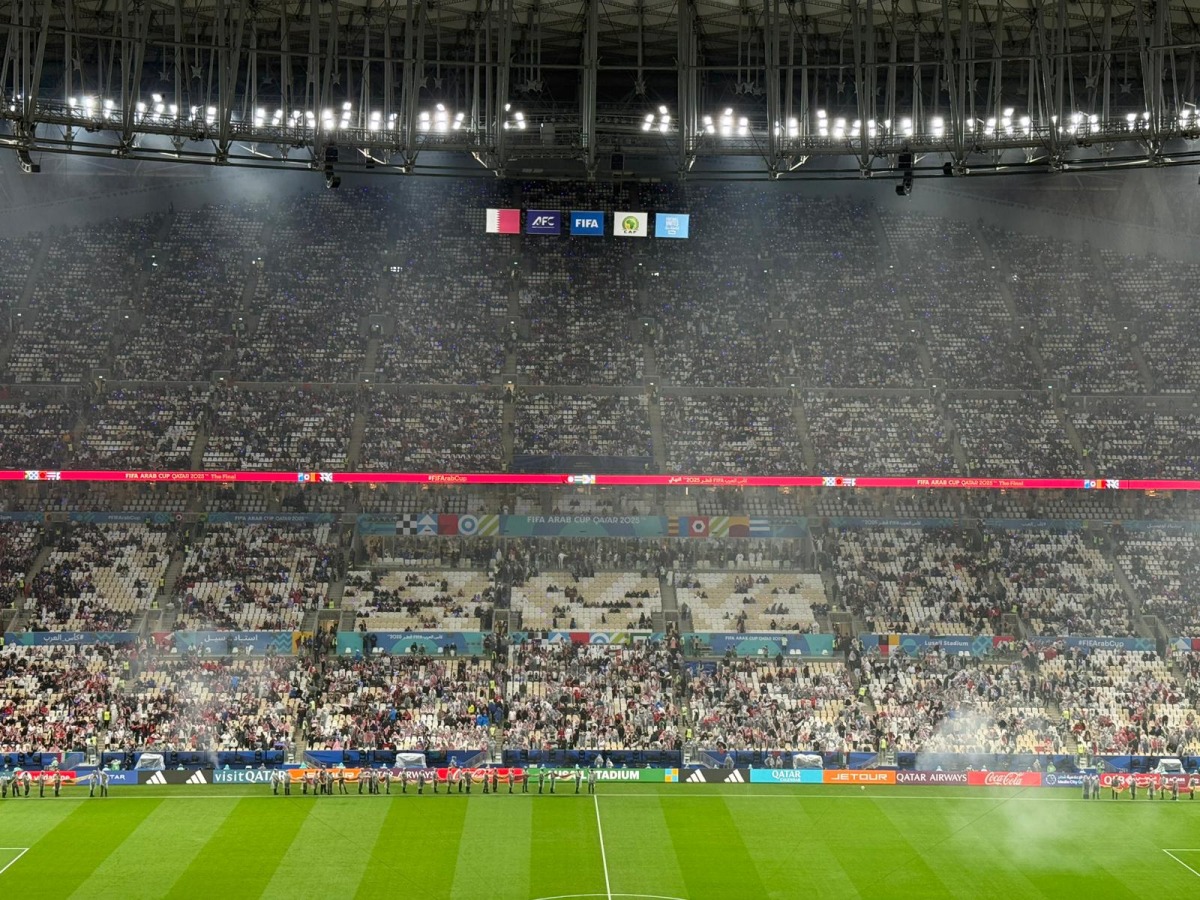

The highly anticipated final of the FIFA Arab Cup Qatar 2025 concluded on December 18th with a victory for Morocco, defeating Jordan 3-1. The match, held at the iconic Lusail Stadium, saw Morocco take an early lead and maintain pressure throughout the game. The tournament showcased impressive talent from across the Arab world and served as a key preparation opportunity for Qatar ahead of potentially hosting future major international competitions, like the FIFA World Cup.
Early action saw Morocco’s Oussama Tannane score a stunning goal in the 5th minute, setting the tone for a dominant performance. Despite Jordan’s attempts to respond, especially a promising effort from Mohannad Abu Taha in the 21st minute, Morocco consistently threatened. The atmosphere within Lusail Stadium was electric, fueled by passionate fans from both nations.
Morocco Claims Victory in the FIFA Arab Cup Qatar 2025
Morocco extended their lead with further goals, capitalizing on opportunities created by their skillful midfield. Their attack proved too much for Jordan to handle, despite a spirited display from the tournament underdogs. The Moroccan team demonstrated tactical flexibility and clinical finishing throughout the match.
Jordan did manage to score a goal, reducing the deficit and offering a glimmer of hope. However, this proved insufficient to overturn Morocco’s advantage. The final score reflects Morocco’s overall superiority in the match, though Jordan’s journey to the final was noteworthy.
Early Match Developments and Fan Support
The game started at a blistering pace, with Morocco immediately taking the initiative. Tannane’s early goal was a testament to their attacking prowess, a powerful shot from the center of the pitch that gave the Jordanian goalkeeper no chance. Before and during the match, reports indicated a strong arrival of fans eager to support their teams.
Throughout the tournament, the level of competition has been consistently high. Teams like Saudi Arabia, who competed in the third-place play-off, showed flashes of brilliance. The final showcased the best of Arab football, providing entertainment for both stadium attendees and viewers worldwide. The matches were broadcast across numerous platforms, increasing the reach and popularity of the tournament.
This year’s Arab Cup was significant beyond the football itself; it served as a vital test event for Qatar’s infrastructure and organizational capabilities. Qatar continues to invest heavily in sports facilities, seeking to establish itself as a major hub for international sporting events. The success of the tournament bolsters these ambitions. This aligns with wider efforts to promote sports participation and development across the Arab region, a secondary focus of the event.
The final match presented challenges for both teams, with fatigue potentially playing a role late in the game. Morocco appeared better equipped to manage this, maintaining a higher level of intensity throughout the 90 minutes. Jordan, however, can be proud of their run to the final, exceeding expectations in a challenging competition.
Looking ahead, both Morocco and Jordan will analyze their performances and use the experience gained in the Arab Cup to prepare for future qualifying matches and international competitions. The tournament’s impact on player development and national team strategies will be closely watched in the coming months. Further assessments of Qatar’s hosting capabilities will likely be shared by FIFA and participating nations.
The next steps involve post-tournament reviews, evaluation of fan experiences, and planning for future iterations of the Arab Cup. While Morocco celebrates their victory, and Jordan reflects on a strong showing, the FIFA Arab Cup Qatar 2025 has undoubtedly raised the profile of football within the Arab world and demonstrated Qatar’s continued commitment to hosting world-class sporting events.