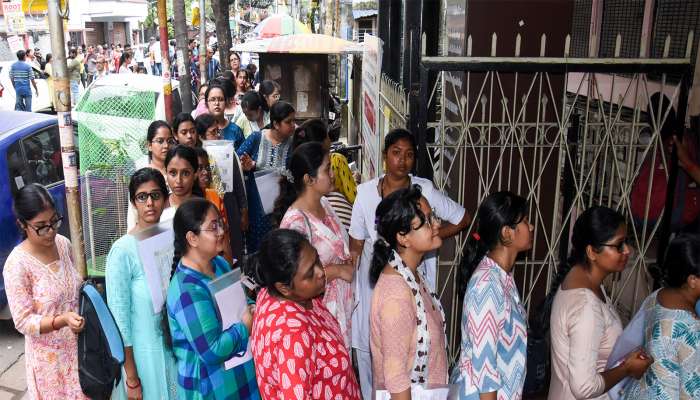

The impending implementation of India’s new labour Codes, effective November 21, 2025, is poised to significantly impact women’s participation in the workforce. A recent white paper, released by the All India Organisation of Employers (AIOE) in collaboration with Shardul Amarchand Mangaldas, details how these reforms can create a safer, more secure, and accessible employment landscape for women across the country. This shift comes at a crucial time, building on existing progress and addressing long-standing barriers to female employment.
Expanding Opportunities: How Labour Codes Boost Female Workforce Participation
India has witnessed a notable increase in female labour force participation in recent years, rising from 23.3% in 2017-18 to 41.7% in 2023-24. This positive trend has been supported by legislation like the Maternity Benefit Act, 1961, and the Sexual Harassment of Women at Workplace Act, 2013, alongside government initiatives such as Mission Shakti, NAVYA, and WISE-KIRAN. However, the new labour Codes represent a fundamental modernization of the employment law framework, consolidating numerous legacy laws into a more streamlined and coherent system.
This simplification is particularly beneficial for women, aiming to address systemic issues that have historically limited their access to and retention in the workforce. The white paper, titled “Breaking the Glass Ceiling,” argues that the Codes don’t just create new opportunities, but make existing work more sustainable and secure for women.
Key Provisions Supporting Women Workers
Several key provisions within the new Codes directly address the needs and challenges faced by women in the workplace. The Social Security Code, 2020, maintains robust maternity protections, ensuring 26 weeks of paid leave for eligible employees and 12 weeks for adoptive and commissioning mothers.
Furthermore, the Codes recognize the importance of supporting women’s health and well-being. Measures like mandated nursing breaks, access to medical support, and simplified documentation requirements for pregnancy and delivery are crucial in mitigating the economic and health disruptions that often lead women to leave the workforce permanently. These provisions acknowledge the unique needs of working mothers and aim to create a more supportive environment.
Broadening Social Security and Workplace Safety
The expansion of Employees’ State Insurance (ESI) coverage is another significant benefit. The Codes extend ESI to all industries and districts, including plantations – a sector employing a substantial number of women workers. This broadened coverage provides crucial social security benefits, including medical care and income support, to a wider range of female employees.
Additionally, the inclusion of gig and platform workers within the social security framework is a forward-thinking step. This is particularly relevant for women who often utilize flexible work arrangements to balance professional responsibilities with caregiving duties. Providing social security to these workers ensures they are not excluded from essential benefits. The evolving nature of work arrangements necessitates this inclusive approach.
Removing Barriers to Advancement
Perhaps one of the most transformative aspects of the Occupational Safety, Health and Working Conditions Code is the allowance for women to work in all establishments, including those traditionally restricted, and during night shifts – provided they consent and adequate safety measures are in place. This provision effectively removes an “invisible ceiling” on women’s earnings and career advancement, opening doors in sectors like IT, healthcare, aviation, and logistics. This change directly addresses gender inequality and promotes equal opportunity.
This shift is expected to have a ripple effect, encouraging greater gender equality in traditionally male-dominated industries and fostering a more diverse and inclusive workforce. It also acknowledges women’s agency and right to choose their working conditions.
Implementation is Key to Realizing the Potential
While the new labour Codes hold immense promise for increasing women’s employment and improving their working conditions, the white paper cautions that legislation alone is insufficient. Real and lasting change will depend on effective implementation by employers, the responsiveness of markets, and the strength of supporting institutions.
Employers must proactively embrace the spirit of the Codes, investing in workplace safety, providing adequate support for working mothers, and fostering a culture of inclusivity. Government agencies need to ensure effective enforcement and provide guidance to businesses on compliance. Furthermore, addressing societal norms and biases that contribute to gender inequality remains crucial.
Ultimately, the success of these reforms will be measured by their ability to translate into tangible improvements in the lives of women workers across India. Continued monitoring, evaluation, and adaptation will be essential to maximize the impact of these landmark changes and unlock the full potential of India’s female workforce.