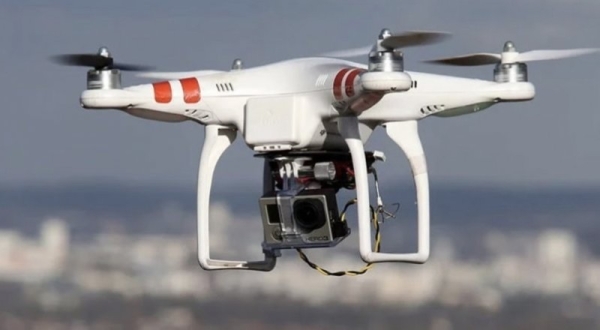

The Ministry of Interior is showcasing its unmanned aerial vehicle (UAV), known as the “wing drone,” at the Hajj Conference and Exhibition in Jeddah. The drone was deployed during the last Hajj season to monitor violators of Hajj regulations and enhance security surveillance along routes leading to Makkah and Madinah.
Visitors to the ministry’s pavilion will have the opportunity to learn about the drone’s advanced capabilities, including its use of thermal and night-vision cameras that operate in various weather conditions using artificial intelligence algorithms. The system provides real-time field imagery to operations rooms and monitoring centers, enabling swift and informed decision-making.
Drone Technology Enhances Hajj Security
The wing drone is equipped with advanced technology that allows it to capture high-quality images and transmit them in real-time to monitoring centers. According to the Ministry of Interior, the drone’s capabilities have significantly enhanced security surveillance during the Hajj season.
The use of UAVs in Hajj security is part of a broader effort to leverage technology to improve the safety and efficiency of the pilgrimage. The Ministry of Interior has been investing in various technologies, including artificial intelligence and surveillance systems, to enhance its security capabilities.
Advanced Capabilities of the Wing Drone
The wing drone’s thermal and night-vision cameras enable it to operate effectively in various weather conditions, including low-light environments. The drone’s artificial intelligence algorithms allow it to detect and track potential security threats, providing real-time alerts to monitoring centers.
Additionally, the drone’s real-time imaging capabilities enable authorities to respond quickly to emerging situations, improving the overall safety and security of the Hajj pilgrimage. The Ministry of Interior said that the drone’s advanced capabilities have been instrumental in enhancing security surveillance during the Hajj season.
Future Plans for Drone Deployment
The Ministry of Interior’s deployment of the wing drone during the last Hajj season marks a significant step in the use of UAVs in Hajj security. The ministry is expected to continue leveraging drone technology to enhance security surveillance and improve the overall safety of the pilgrimage.
As the Hajj season approaches, it remains to be seen how the Ministry of Interior will further deploy the wing drone and other technologies to enhance security surveillance. However, the report indicates that the ministry is committed to leveraging technology to improve the safety and efficiency of the pilgrimage.
Meanwhile, the use of drones in Hajj security is likely to have implications for future pilgrimages, with potential applications in other areas such as crowd management and emergency response. The Ministry of Interior’s efforts to leverage technology to enhance security surveillance are expected to continue in the coming years.