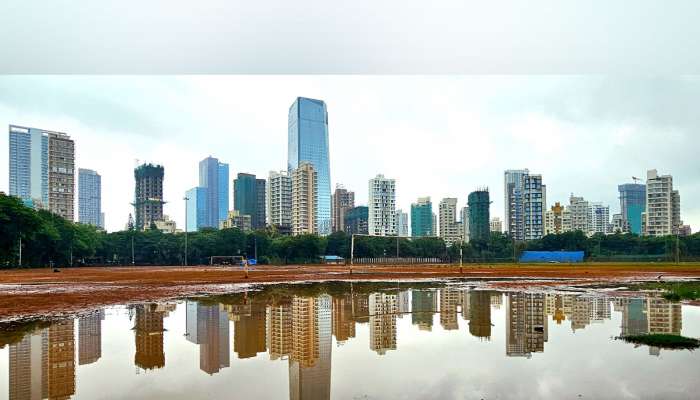

India’s residential real estate market experienced a notable shift in 2025, moving away from the rapid growth of recent years towards a more balanced and sustainable phase. A recent report by PropTiger reveals a softening in housing demand, coupled with a disciplined approach to supply from developers, resulting in a market recalibration rather than a collapse. This analysis delves into the key trends observed throughout the year, examining the factors driving this normalization and the outlook for 2026.
Understanding the 2025 Market Normalization
The surge in housing sales witnessed in 2023 and 2024 proved difficult to sustain. PropTiger’s report indicates a 12% year-on-year decline in all-India residential sales in 2025, totaling 386,365 units compared to 436,992 units the previous year. This marks the lowest annual sales figure since 2022. Simultaneously, new residential supply decreased by 6% to 361,096 units, the lowest addition since 2021.
This isn’t necessarily a negative sign, however. Onkar Shetye, Executive Director of Aurum PropTech, emphasizes that 2025 wasn’t about “demand destruction,” but rather a “recalibration.” Buyers became more cautious and deliberate in their decisions, while developers responded by carefully managing the supply pipeline. This strategic approach prevented a build-up of unsold inventory and, crucially, maintained price stability.
Q4 2025: A Continued Slowdown
The final quarter of 2025 (October-December) continued the trend of moderation. Housing sales declined by 10% year-on-year and 0.5% quarter-on-quarter, reaching 95,049 units – the lowest quarterly volume since Q2 2023. This reinforces the idea of a deliberate slowdown, rather than a sudden drop, in buyer activity. The report suggests that higher interest rates and economic uncertainties contributed to this more measured approach.
City-Specific Performance: Divergence is Key
While the overall trend pointed towards normalization, the performance of individual cities varied significantly. This property market divergence highlights the importance of understanding local dynamics.
Chennai and Hyderabad emerged as clear outperformers, demonstrating consistent growth both quarter-on-quarter and year-on-year. Chennai saw a remarkable 55% increase in annual sales, reaching 24,892 units, while Hyderabad recorded a 6% rise to 54,271 units. These cities benefited from strong economic fundamentals and relatively affordable housing options.
Conversely, Mumbai and Pune experienced substantial declines in annual sales, with drops of 26% and 27%, respectively. These markets, traditionally considered premium, were likely more sensitive to economic headwinds and higher interest rates.
Delhi-NCR stood out as the only major market to witness year-on-year sales declines across all four quarters of 2025, indicating a prolonged period of consolidation within the region. This suggests that the initial boom in Delhi-NCR may be leveling off as the market matures.
Supply Dynamics and Price Resilience
Despite the overall decrease in sales, new residential supply saw a modest increase of 4% year-on-year in Q4 2025, reaching 92,007 units. This suggests developers were still optimistic about long-term prospects, but remained cautious in their launch strategies. For the full year, however, new launches were down 6% compared to 2024, aligning with the overall trend of supply management.
A crucial takeaway from the report is the resilience of home prices. Despite the moderation in sales volumes, residential prices continued to rise across key markets. Developers largely resisted the urge to offer aggressive discounts, demonstrating a commitment to maintaining pricing discipline. This indicates a level of confidence in the underlying demand and a reluctance to erode profit margins.
The Role of Affordability in Future Growth
The report points towards a shift in the real estate trends landscape. The market is transitioning from a phase of rapid expansion to a more mature, execution-led stage. This means future growth will likely be driven by different factors than those that fueled the boom in previous years.
Onkar Shetye predicts that affordability, infrastructure development in specific micro-markets, and city-specific fundamentals will be the primary drivers of growth in 2026. Broad-based acceleration is less likely, as buyers are expected to remain discerning and focused on value for money. This shift will require developers to adapt their strategies, focusing on projects that cater to the needs of first-time homebuyers and offer convenient access to essential infrastructure.
In conclusion, the Indian residential real estate market in 2025 experienced a healthy normalization, characterized by softening demand, disciplined supply management, and resilient prices. While sales volumes declined, this wasn’t a sign of weakness, but rather a recalibration towards a more sustainable growth trajectory. The diverging performance of different cities underscores the importance of localized analysis, and the future outlook suggests that affordability and infrastructure will be key drivers of growth in 2026. For potential homebuyers and investors, understanding these trends is crucial for making informed decisions in this evolving market. Stay updated with the latest reports and analyses to navigate the opportunities and challenges ahead.