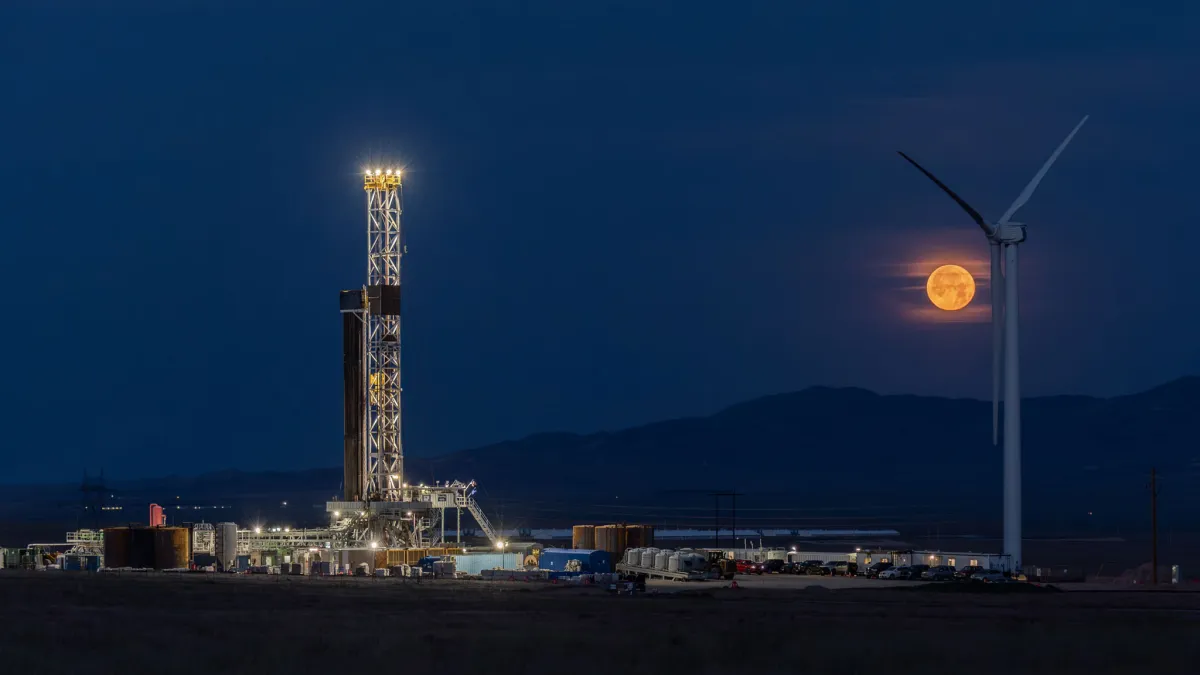

Enhanced geothermal energy is gaining traction as a viable renewable resource, and Fervo Energy is leading the charge with a new $462 million funding round. This investment will accelerate the completion of the company’s 500-megawatt Cape Station power plant in Utah and initiate development on multiple additional projects, aiming to address the growing demand for clean energy, particularly from data centers. The substantial funding underscores the increasing confidence in enhanced geothermal systems (EGS) as a key component of the future energy mix.
Fervo Energy Secures $462 Million for Geothermal Expansion
The financing round, announced this week, was spearheaded by B Capital and saw participation from a diverse group of investors including AllianceBernstein, Google, and Devon Energy. This follows a $206 million package secured six months prior for Cape Station, bringing Fervo’s total funding in the last year to nearly $700 million. According to a statement from Fervo, the funds will be strategically allocated to scaling its technology and expanding its operational footprint.
Addressing the Data Center Energy Crunch
A primary driver behind the surge in interest in enhanced geothermal is the escalating energy consumption of data centers. Large technology companies, like Google – an existing power purchase agreement partner with Fervo – and Meta are actively seeking sustainable energy sources to power their massive computing infrastructure. An analysis by the Rhodium Group suggests that EGS could potentially meet almost two-thirds of new data center energy needs by 2030 at competitive rates.
However, the demand extends beyond the tech sector. Overall electricity demand is projected to increase significantly in the coming years, necessitating a rapid expansion of renewable energy capacity. Geothermal energy, offering a consistent and reliable baseload power source, is well-positioned to fill this gap.
How Fervo’s Technology Works
Fervo Energy differentiates itself through its approach to enhanced geothermal systems. Unlike traditional geothermal, which relies on naturally occurring hydrothermal resources, EGS involves creating artificial reservoirs in hot, dry rock deep underground. This is achieved through techniques borrowed from the oil and gas industry, including advanced drilling and hydraulic fracturing.
The company’s expertise in directional drilling has been a key factor in its success. Fervo has demonstrably reduced drilling times, completing a well this summer in just 16 days, a significant improvement from the month-long process of their initial wells. This efficiency directly translates to lower costs and faster project deployment, according to Sarah Jewett, Fervo’s senior vice president of strategy.
Focus on the Western U.S. and Future Expansion
Currently, Fervo is concentrating its efforts on the western United States, where geothermal gradients are favorable, meaning hot rocks are closer to the surface. At the Cape Station site in Utah, the company needs to drill approximately 8,500 feet to reach rocks heated to 450°F. This relatively shallow depth, compared to potential sites in other regions, allows for more economical development.
The company plans to leverage its experience in the West before expanding to other areas, including the eastern U.S. and potentially international markets. Jewett noted that regulatory hurdles are likely to be the primary challenge when venturing into new territories. The development of geothermal resources, like other energy projects, is subject to local and national permitting processes.
Political Support and Industry Momentum
Enhanced geothermal is also receiving increasing political attention. The participation of Liberty Mutual Investments, linked to Energy Secretary Chris Wright’s former company, Liberty Energy, in a previous Fervo funding round highlights growing bipartisan support for the technology. This support is reflected in recent policy initiatives aimed at accelerating the deployment of geothermal energy.
Fervo is widely considered a leader in the emerging EGS sector, attracting significant investment and demonstrating rapid technological advancements. Other companies are also pursuing EGS projects, contributing to a growing industry ecosystem and driving down costs. The increasing competition and innovation are expected to further accelerate the adoption of enhanced geothermal energy.
While Fervo has not commented on potential plans for an initial public offering (IPO), industry observers suggest it could be a possibility within the next year or so, given the strong demand for its services and the positive momentum in the geothermal sector. The company anticipates mechanically completing the first phase of Cape Station this year, with a target of bringing it online in 2026. The successful execution of this project, and the subsequent development of additional sites, will be crucial in demonstrating the scalability and economic viability of enhanced geothermal energy and will be closely watched by investors and policymakers alike.
The future of geothermal energy is looking brighter, and Fervo Energy’s progress is a key indicator of its potential. Continued advancements in drilling technology, coupled with supportive policies and growing demand for clean, reliable power, could position EGS as a major player in the global energy transition. The development of renewable energy sources is critical to meeting climate goals, and sustainable energy solutions like enhanced geothermal are gaining increasing attention.