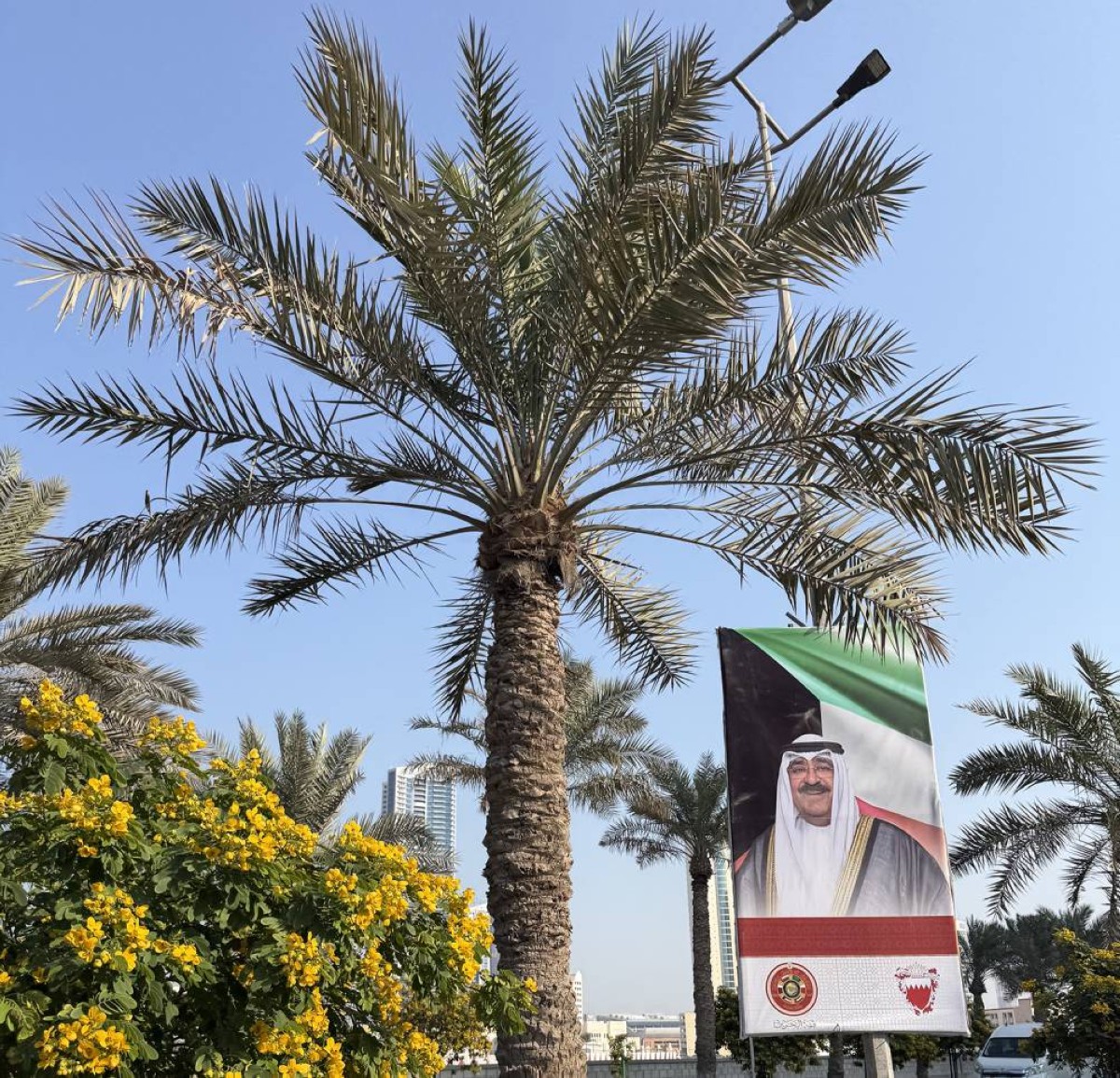

As the 46th GCC Summit approaches, the Gulf Cooperation Council (GCC) is signaling a renewed commitment to regional stability and integration. GCC Secretary General Jasem Al-Budaiwi announced on Tuesday a significant intensification of joint action across security, political, and economic fronts, setting the stage for crucial discussions in Bahrain. This proactive stance comes as HH the Amir Sheikh Meshal Al-Ahmad Al-Jaber Al-Sabah prepares to lead the Kuwaiti delegation to the summit, highlighting Kuwait’s central role in the bloc’s future direction.
Strengthening GCC Security Cooperation
A key focus of the upcoming summit and the GCC’s broader strategy is bolstering security measures. Al-Budaiwi revealed the formation of a new committee dedicated to implementing the 2026-30 security strategy, specifically targeting money laundering. This strategy will be built upon a multi-faceted approach encompassing robust legislation, coordinated joint operations, cutting-edge technology, strengthened international cooperation, and comprehensive capacity building.
Combating Terrorism and Enhancing Traffic Safety
Alongside the anti-money laundering efforts, a parallel body continues to coordinate regional anti-terrorism initiatives. The GCC is also demonstrating success in practical areas of security, with the unified GCC traffic system already contributing to a reduction in traffic accidents across member states. These initiatives demonstrate a tangible commitment to safeguarding citizens and fostering a secure environment. This focus on regional stability is paramount given the current geopolitical landscape.
Addressing Critical Regional Challenges
The GCC Summit in Bahrain is taking place against a backdrop of significant regional challenges. Al-Budaiwi emphasized the “critical” conditions, identifying key discussion points as the ongoing situation in Gaza, the complexities surrounding the Iranian nuclear file, and ensuring maritime security in the Gulf region.
The GCC remains steadfast in its commitment to upholding national sovereignty, advocating for peaceful conflict resolution, and pursuing a comprehensive solution to the Palestinian cause. This solution, the GCC affirms, must be rooted in the Arab Peace Initiative and the internationally recognized two-state formula. Recent diplomatic missions to Syria and Lebanon underscore this commitment, demonstrating GCC solidarity and support for political and economic stabilization, alongside efforts to counter terrorism and drug smuggling.
Regarding Iran, the Secretary General stressed the importance of constructive negotiations that genuinely address the concerns of GCC member states. A collaborative approach is seen as essential for de-escalation and long-term security.
Driving GCC Economic Integration
Beyond security, the GCC is accelerating economic integration through ambitious projects designed to foster growth and diversification. The highly anticipated regional railroad, slated for completion in 2030, is a flagship initiative expected to significantly boost trade and connectivity.
Streamlining Travel and Diversifying Economies
Another key development is the implementation of a “one-stop” travel system, promising seamless movement for Gulf citizens between member states without the need for traditional immigration checks. This initiative will further strengthen ties and facilitate economic activity.
Importantly, the GCC is witnessing substantial progress in economic diversification. Non-oil sectors are now contributing a significant 76 percent of GDP in 2024, driven by growth in tourism, logistics, technology, and substantial investments in renewable energy projects. Negotiations on several free trade agreements are also underway, aiming to expand the GCC’s global economic reach. This economic diversification is crucial for long-term Gulf cooperation.
Prioritizing Sustainable Development and Human Capital
The GCC is demonstrating a strong commitment to sustainable development, achieving high compliance with UN development goals. A key priority is empowering youth, fostering entrepreneurship, and investing in human capital development. Alongside these efforts, rapid improvements are being made in health, social services, and sports infrastructure, enhancing the quality of life for citizens across the region. This holistic approach to development underscores the GCC’s vision for a prosperous and sustainable future. The focus on economic development is a cornerstone of this vision.
In conclusion, the upcoming GCC Summit in Bahrain represents a pivotal moment for the bloc. With a renewed focus on security cooperation, proactive engagement with regional challenges, and a commitment to economic integration and sustainable development, the GCC is positioning itself as a key player in promoting stability and prosperity in the region. The leadership of HH the Amir Sheikh Meshal Al-Ahmad Al-Jaber Al-Sabah will undoubtedly be instrumental in shaping the GCC’s agenda and driving forward its ambitious goals. Further updates and outcomes from the summit will be closely watched by regional and international observers alike.