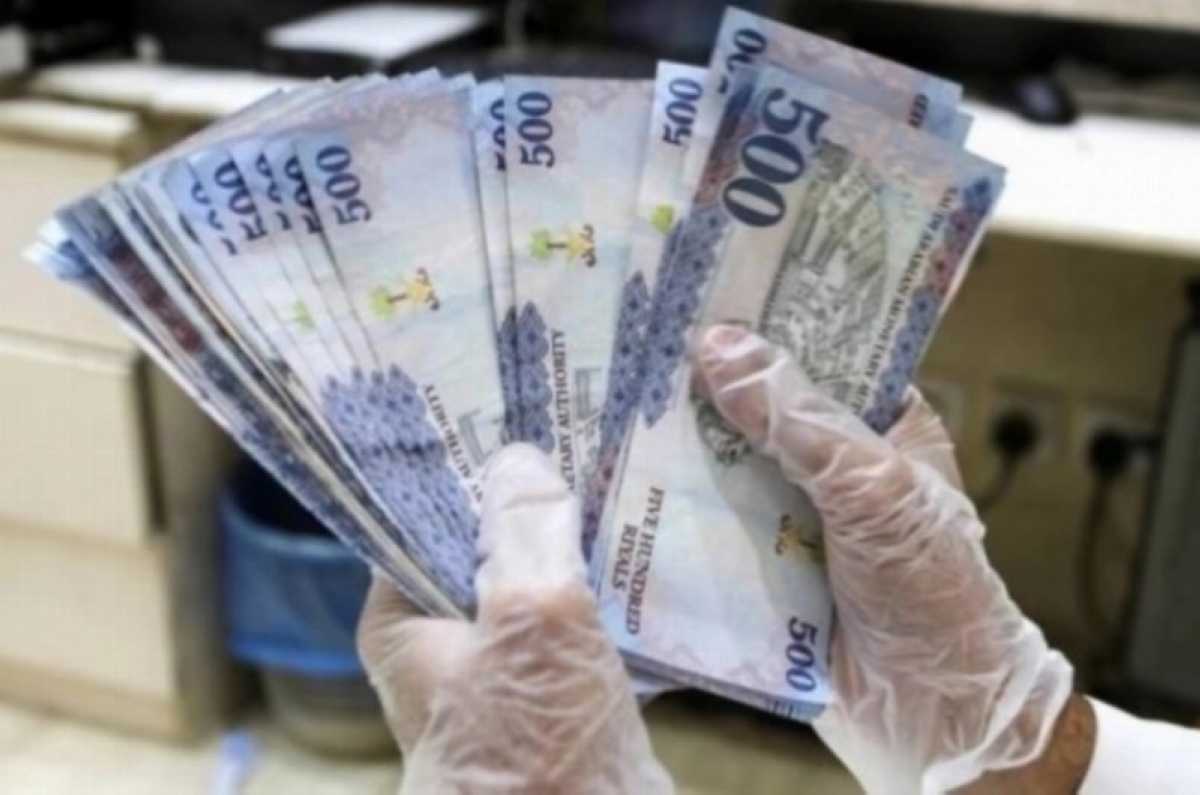

Remittances sent by expatriates in Saudi Arabia rose modestly in October 2025, reaching SR13.7 billion, according to data released by the Saudi Central Bank (SAMA). This represents a 2 percent increase compared to October 2024, signaling continued economic activity and financial flows within the Kingdom. The increase in remittances comes amidst broader economic shifts and evolving labor market dynamics.
The SAMA report indicates that total foreign remittances increased by approximately SR314 million from September 2025. Simultaneously, remittances originating from Saudi citizens working abroad also saw growth, climbing 4 percent year-over-year to SR6.6 billion. These figures provide a snapshot of the Kingdom’s international financial transactions.
Understanding the Rise in Expatriate Remittances
The 2 percent increase in expatriate remittances is a relatively small but consistent upward trend. Several factors likely contribute to this movement of funds. These include seasonal patterns, such as remittances sent during religious holidays or for educational expenses. Additionally, fluctuations in exchange rates can influence the amount of money sent home.
Economic Conditions in Recipient Countries
Economic conditions in the countries receiving these remittances play a significant role. Increased demand for funds in those nations, perhaps due to inflation or economic hardship, can drive up the volume of money sent from Saudi Arabia. The report does not specify the primary destination countries for these funds, but major labor-sending nations like India, Pakistan, and the Philippines are typically significant recipients.
Saudi Arabia’s Labor Market
Saudi Arabia’s ongoing economic diversification efforts, outlined in Vision 2030, are impacting its labor market. While the Kingdom is actively seeking to increase employment opportunities for its citizens, a substantial portion of the workforce still comprises expatriates. Changes in employment policies and wage levels for these workers can directly affect the amount of money they are able to remit.
However, the Kingdom’s focus on Saudization – increasing the proportion of Saudi nationals in the workforce – could potentially influence future remittance trends. As more Saudi citizens take on roles previously held by expatriates, the overall volume of foreign remittances may shift.
Remittances from Saudis Abroad
The 4 percent increase in remittances from Saudi citizens working abroad is a notable development. This suggests a strengthening of economic ties and opportunities for Saudis working internationally. Increased investment in education and training programs aimed at enhancing the skills of Saudi professionals could be a contributing factor.
Furthermore, the Kingdom’s efforts to promote international collaboration and investment may be leading to more Saudis seeking employment opportunities overseas. This trend could also be linked to the growing number of Saudi students pursuing higher education in foreign universities, who may require financial support from home.
Broader Economic Context and Financial Flows
These remittance figures are part of a larger picture of financial flows within and out of Saudi Arabia. The Kingdom is a major importer and exporter, and its balance of payments is influenced by a variety of factors, including oil prices and global economic conditions. International money transfers are a key component of this system.
Meanwhile, SAMA closely monitors these flows to ensure financial stability and to inform monetary policy decisions. The central bank also works to regulate the financial sector and to prevent illicit financial activities. The increase in remittances does not necessarily indicate a significant shift in the overall economic landscape, but it provides valuable data for analysis.
In contrast to some other countries, Saudi Arabia does not impose significant restrictions on money transfers, facilitating the movement of funds for legitimate purposes. This policy contributes to the Kingdom’s attractiveness as a destination for foreign workers and investors.
Implications for the Saudi Economy
While the increase in remittances is modest, it does have implications for the Saudi economy. Remittances represent an outflow of capital, which can affect the Kingdom’s foreign exchange reserves. However, these outflows are often offset by inflows from oil revenues and other sources.
Additionally, remittances can have a positive impact on the economies of recipient countries, providing a vital source of income for families and communities. This, in turn, can contribute to global economic stability. The Kingdom’s role as a major sender of international funds is therefore significant.
The SAMA will likely continue to monitor these trends closely in the coming months. The next data release, covering November 2025, is expected in January 2026. Analysts will be watching for any significant deviations from the current trend, as well as any indications of how changes in the Saudi labor market and global economic conditions are impacting remittance flows. Uncertainty surrounding global economic growth and geopolitical events could introduce volatility into these figures.