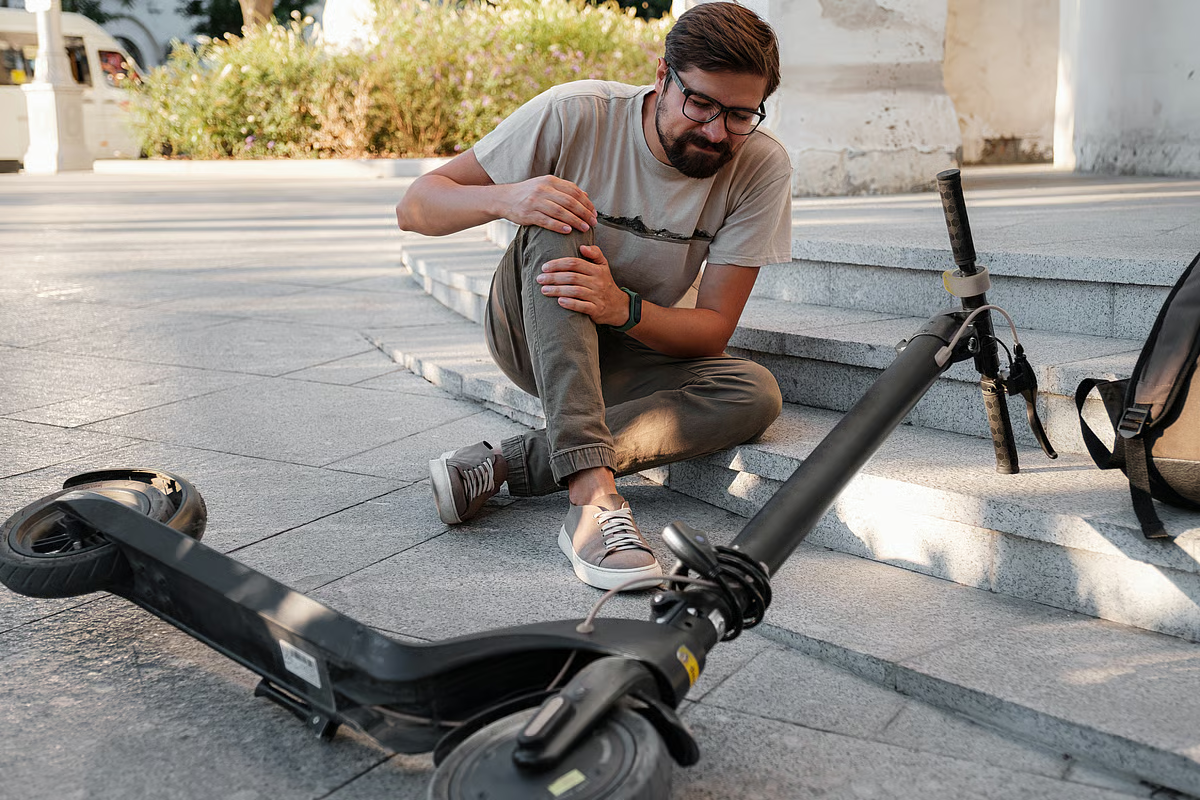

The increasing popularity of e-scooters in the UAE has brought with it a growing number of accidents, often involving cars. Determining liability when an e-scooter collides with a vehicle can be complex, but generally falls on the scooter rider. However, the specifics depend heavily on the circumstances of the incident and the type of insurance coverage held by those involved. This article explores the legal and insurance implications of these collisions, and the steps being considered to improve safety for all road users.
Who is Liable in an E-Scooter and Car Accident?
Currently, private e-scooter owners in the UAE are not legally required to carry third-party insurance, according to Hitesh Motwani, Deputy CEO of InsuranceMarket.ae. This means that if an e-scooter rider causes damage to a car, the rider is personally responsible for covering the repair costs. In these cases, the incident typically becomes a civil matter between the parties involved.
The crucial element in establishing responsibility is the official police report. Authorities will investigate the accident to determine which party was at fault, considering factors like traffic violations, speed, and adherence to safety regulations. Once fault is assigned, the vehicle owner can pursue compensation directly from the rider or through any personal liability coverage the rider may possess.
What Happens When the Driver is at Fault?
Conversely, if a car driver is responsible for an accident involving an e-scooter, their motor insurance policy will generally cover the resulting damages and injuries. This includes medical expenses for the rider, compensation for any injuries sustained, and repair costs for the e-scooter. This process aligns with standard motor insurance claim procedures.
Importantly, Motwani emphasizes that a rider’s lack of insurance does not negate their right to claim compensation if they were not the cause of the accident. They can pursue a claim against the driver’s insurance, just as any other road user would.
How Does Motor Insurance Handle E-Scooter Accidents?
All motor insurance policies in the UAE include third-party liability coverage. This means that if a driver is found to be at fault in a collision with an e-scooter, the damage or injury caused to the rider is typically covered. However, the coverage differs depending on the type of policy held by the car owner.
Third-party insurance policies will not cover damage to the car caused by an e-scooter. In contrast, comprehensive motor insurance policies usually will cover the vehicle’s repair costs, subject to the policy’s deductible and specific terms and conditions. This provides a quicker route to repair for the vehicle owner, even while waiting for potential reimbursement from the e-scooter rider.
The Growing Need for Dedicated E-Scooter Insurance
As of now, there is no widely available standalone insurance product specifically designed for private e-scooter owners in the UAE. While some e-scooter rental companies may have liability coverage for their users, private individuals generally lack personal protection.
Given the increasing use of e-scooters and a reported rise in accidents, industry experts believe there is a clear need for structured insurance solutions. A basic level of coverage, including third-party liability and personal accident protection, would benefit both riders and other road users. This is particularly relevant as authorities continue to address safety concerns related to micro-mobility devices.
Common Causes of E-Scooter and Car Collisions
Police and transport authorities have consistently highlighted unsafe riding behaviors as a major contributor to e-scooter accidents, resulting in serious injuries and even fatalities. One of the most dangerous practices, according to Thomas Edelmann, Founder and Managing Director of RoadSafetyUAE, is riding against the flow of traffic.
Edelmann recounts a near-miss incident involving his wife, where a scooter unexpectedly appeared while she was merging onto a road, traveling in the wrong direction. He subsequently witnessed a similar collision between an SUV and an e-scooter rider exhibiting the same dangerous behavior. These examples underscore the risks associated with disregarding traffic rules.
Improving Safety Through Education and Infrastructure
Addressing the issue of e-scooter safety requires a multi-faceted approach encompassing increased awareness, comprehensive education, and improved infrastructure. Clear guidelines are needed for shared walkways, with appropriate markings and signage to delineate areas for pedestrians and micro-mobility users.
Furthermore, schools should incorporate e-scooter safety education into their curriculum, ensuring that children understand the rules of the road and that these rules are enforced in school zones. Rental e-scooter operators also have a role to play, ensuring that riders are aware of and adhere to local regulations, including helmet requirements.
The future of e-scooter regulation in the UAE is likely to involve a more formalized insurance framework. Authorities are currently evaluating options for mandatory insurance for e-scooter riders, with potential implementation timelines expected to be announced in the coming months. The development of clear infrastructure guidelines and ongoing safety campaigns will also be crucial in mitigating risks and promoting responsible e-scooter usage. The extent to which these measures will reduce accidents remains to be seen, but they represent a proactive step towards ensuring the safety of all road users.