








Challenges in Fish Farming Investment in Ras Hayan
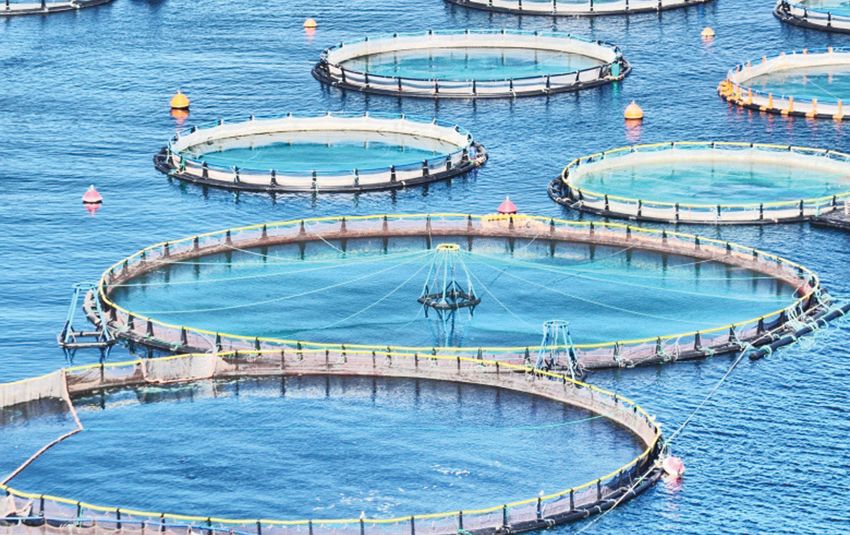
The Financial and Administrative Control Bureau has highlighted significant challenges regarding the fish farming investment in Ras Hayan. Out of 22 planned sites for aquaculture, only five have been leased until December 2025. This situation showcases the limited utilization of available investment lands and hampers the expansion of aquaculture projects. Only one of the five companies leasing land is actively engaged in fish farming, according to the latest reports.
Current Production Levels and Future Plans
The Bureau’s report reveals that the National Center for Marine Aquaculture produced approximately 207,000 fingerlings between 2023 and 2025. This figure starkly contrasts with the 281,000 fingerlings produced in 2019 and the 4.8 million produced in 2008. Such a decline underscores the importance of implementing measures to enhance production capacity, including promoting investment and engaging the private sector in aquaculture development.
To address these challenges, the Supreme Council has announced plans to develop a comprehensive strategy aimed at fostering investment in the aquaculture sector. This plan will be built on the analysis of current opportunities and challenges in the sector, with clear objectives designed to attract new investors and encourage existing investors to expand their operations.
Action Plans for Enhanced Investment
The Supreme Council is actively working on finalizing an integrated plan to stimulate investment in the aquaculture sector by the end of the first quarter of 2027. This strategy will also adapt to ongoing progress in resolving legal issues related to current projects and ensuring that legislative and technical requirements are met.
Promotion of promising investment opportunities is set to occur through the Aquaculture Management Department, coordinating with relevant governmental bodies to leverage specialized expertise and relationships in the sector. The targeted timeline for this promotion initiative is the second quarter of 2027.
Maintenance and Coordination Concerns
The Bureau also detected a lack of a comprehensive maintenance plan for the facilities and equipment at the National Center for Marine Aquaculture. This absence of regular maintenance schedules prevents the extension of asset lifespans and reduces operational efficiency. The Supreme Council indicated that once the government defines its stance on the potential privatization of the Center, plans for necessary maintenance will be set in motion.
Similarly, there are concerns regarding the absence of a coordination mechanism with the Ministry of Health to inspect aquaculture products before they reach the market. This is critical as these products are aimed for human consumption. The Supreme Council anticipates implementing a joint regulatory mechanism for product inspections by the first quarter of 2027.
Laboratory Resource Issues
Another significant finding from the Bureau was the lack of operational supplies necessary for testing fish health and quality at the dedicated laboratory. This deficiency limits the laboratory’s ability to effectively harness its technical capacities. The Supreme Council has stated that it will request the required budget for essential operational materials to ensure the lab functions efficiently.
Looking Forward: Next Steps
As the aquaculture sector prepares for potential growth, stakeholders are encouraged to monitor developments surrounding the comprehensive investment strategy. The expected decision regarding the privatization of the National Center for Marine Aquaculture in early 2027 may play a pivotal role in shaping the future landscape of fish farming. Enhanced government support and strategic investment initiatives could significantly influence the revival and expansion of marine aquaculture in the region.