







Financial Audit Reveals Decline in National Revenue for Fiscal Year 2025
The State Audit Office has reported a significant drop in total revenues for the fiscal year ended December 31, 2025, with figures decreasing from 3.03 billion dinars in 2024 to 2.69 billion dinars in 2025. This marks an 11% decline, raising concerns about the economic sustainability of the state.
According to the audit office, oil revenues specifically saw a steep decline of 29%, falling from 1.82 billion dinars in 2024 to 1.30 billion dinars in 2025. This decrease represents 48% of the state’s total revenues for the past year, compared to 52% from non-oil revenues.
Increased Project Expenditures Despite Revenue Drop
On the other hand, project expenditures have risen from 291 million dinars in 2024 to 318 million dinars in 2025, an increase of 9%. This juxtaposition of rising expenditures against declining revenues raises questions regarding budgetary priorities and financial management practices.
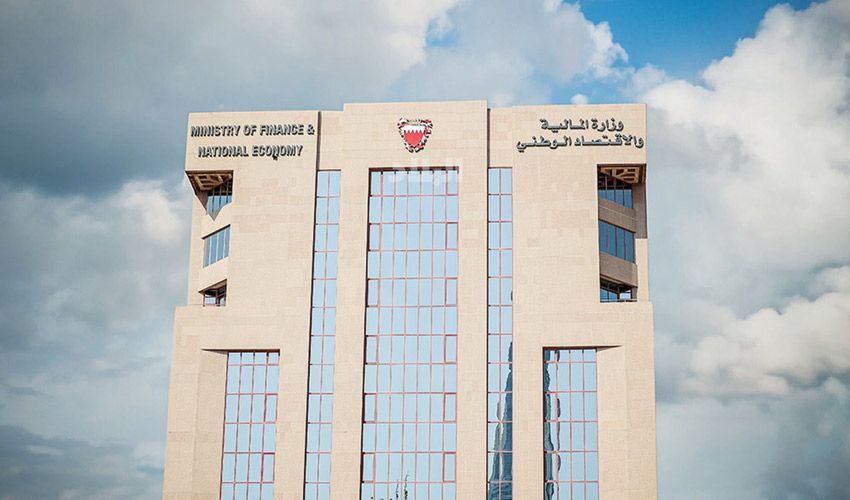
The Ministry of Finance and National Economy has expressed its commitment to adhere to the provisions of Article (32) of Law No. (39) of 2002 and its amendments. The ministry is actively directing ministries and government agencies to regularly review their financial commitments to ensure adherence to approved budget limits.
Strategies for Managing National Debt and Financial Oversight
The state’s total public debt has surged to 22.16 billion dinars as of December 31, 2025, an increase of 2.83 billion dinars or 15%, as revealed by the audit office. This rise in debt is accompanied by a corresponding increase in interest expenses, which grew by 11% to reach 1.052 billion dinars in 2025.
The ministry has indicated ongoing efforts to manage public debt sustainably while simultaneously working to enhance revenue generation. This includes initiatives to diversify income sources and streamline operational expenses.
Additionally, the ministry aims to implement measures that limit unnecessary expenditures during budget execution. This includes applying stringent controls in the central financial system to reserve necessary financial credits before entering obligations with suppliers.
Future Prospects and Financial Initiatives
Looking ahead, the government is focusing on executing several initiatives aimed at boosting revenue growth and minimizing operational costs. Enhancing the quality and efficiency of government services is anticipated to yield financial surpluses, which will be gradually deployed to reduce national debt levels.
As the fiscal year unfolds, observers are encouraged to monitor how these financial initiatives evolve, particularly regarding the sustainability of public finances and the effectiveness of strategies to manage both revenue and expenditure levels.