








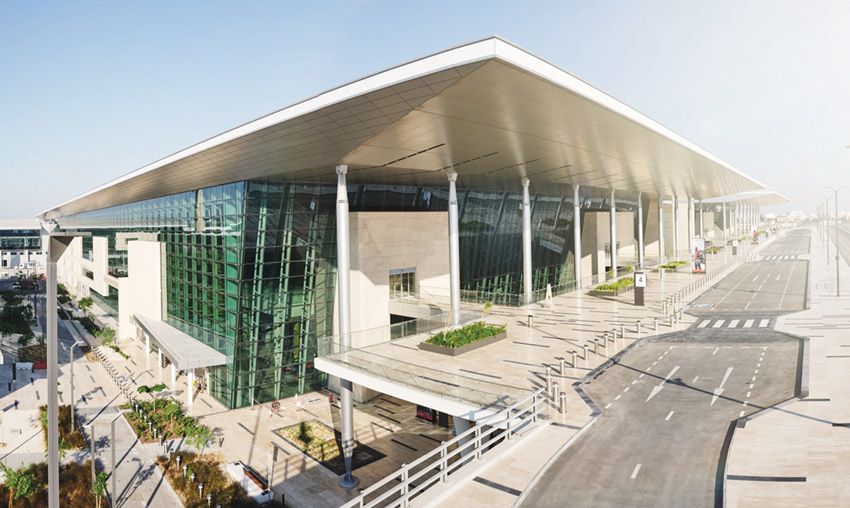

Monitoring Procurement Practices at Bahrain Airport
The Bahrain Airport Company has faced scrutiny from the Financial and Administrative Control Bureau regarding its procurement processes. The Bureau found that, in some cases, the company did not issue tenders for the materials and services it needed in a timely manner, which forced it to extend contracts with current suppliers or rely on direct contracting.
This lack of timely procurement planning raises concerns about the company’s ability to secure competitive pricing and quality services, as it limits the opportunity for competitive bidding among suppliers and service providers.
Bahrain Airport’s Response to Procurement Concerns
In response to the reported issues, the Bahrain Airport Company stated that it began preparing a procurement plan for 2027 during the fourth quarter of 2026. This plan aims to identify recurring needs for materials and services and set appropriate timelines for issuing tenders.
The company indicated that it is now monitoring the duration of existing contracts ahead of their expiration, allowing for adequate time to initiate the tender process and reducing the necessity for contract extensions or direct purchases.
Changes in Procurement Systems and Processes
Starting January 2026, all purchase requests at Bahrain Airport will be submitted and processed exclusively through the procurement system, regardless of their value. Previously, this system was limited to purchases below 10,000 Bahraini Dinars.
The procurement management team is tasked with reviewing each request to ensure compliance with procurement regulations. This includes determining whether to proceed with a public or limited tender or direct purchase, facilitating necessary approvals.
Direct Procurement Oversight
The Bureau noted that the Airport Company did not maintain dedicated boxes for the deposit of bids for purchases exceeding 3,000 Bahraini Dinars and under 10,000 Bahraini Dinars. Instead, bids were opened by an employee from the procurement department directly, which does not align with prescribed procurement guidelines.
This approach has raised questions about ensuring confidentiality and oversight regarding bid acceptance and opening processes. In light of this, the company announced it has established a dedicated email account for receiving bids, ensuring they are stored securely until the designated time for their opening.
Issues Surrounding Advance Payments
Additionally, the Financial and Administrative Control Bureau reported that the Bahrain Airport Company occasionally made advance payments to suppliers and contractors ranging from 10% to 100% of the contract value without securing guarantees in return. This practice poses risks to the company’s financial stability, as it may endanger the recovery of payments should suppliers fail to adhere to contractual obligations.
The company recognizes these risks and plans to implement stricter regulations governing advance payments by the fourth quarter of 2026. The upcoming changes will require suppliers or contractors to provide secured guarantees against advance payments to safeguard the company’s interests.
Future Steps and Conclusion
The Bahrain Airport Company’s procurement practices are under significant evaluation, and the company appears committed to improving its systems for better compliance and accountability. Stakeholders will be watching the implementation of these changes closely, particularly the new procurement plan for 2027 and the introduction of stricter regulations on advance payments. As these measures take effect, they hold the potential to enhance operational efficiency and financial security at Bahrain Airport.