







Teacher Redistribution Increases Teaching Ratios in Capital City
The Ministry of Education has completed a study on teacher redistribution that has led to an increase in teaching ratios across various districts in Kuwait. In the capital city, the teaching ratio reached an impressive 84%, while in the Al-Farwaniyah and Mubarak Al-Kabeer areas, it climbed to 82%. This initiative reflects the ministry’s ongoing commitment to enhancing educational equity and the effective allocation of teaching resources.
Additionally, the study found that suitable teaching ratios in the Hawalli district reached 73%, 70% in Ahmadi, and 64% in Jahra. These improvements are part of a broader effort aimed at addressing disparities in teaching loads among schools. The ministry’s actions come after a careful review process that included appeals from educators affected by the redistribution decisions.
Electronic Appeals and Administrative Procedures
The Ministry of Education has announced the acceptance of numerous appeals submitted by educational staff affected by the redistribution policies. An official committee was established to review these appeals and classify them based on specific criteria, ensuring that the real needs of schools were balanced with the social and personal circumstances of the teachers.
According to the ministry, a total of 1,311 appeals were accepted after thorough verification of supporting documents. The process considered factors such as distance from teachers’ residences to new schools, health issues, and the needs of teachers caring for individuals with disabilities. These factors were assessed to ensure fair treatment and equitable opportunities for all teachers.
Impact of Teacher Redistribution on Educational Ratios
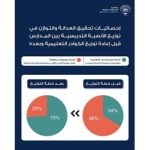
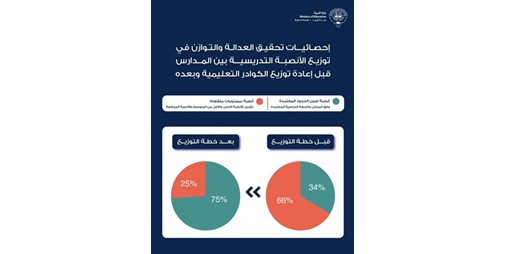
The results of the redistribution have shown significant improvement in the ratio of teachers to students in multiple educational zones. Before the redistribution, the overall teaching ratio was merely 34%. Now, it has stabilized at 75% across all educational areas, indicating a notable shift towards improved educational resource management. The capital district’s teaching ratio jumped from 36% to 84%, while Al-Farwaniyah and Mubarak Al-Kabeer both increased from 38% to 82%.
The improvements in teaching ratios are expected to enhance the quality of education, providing a more favorable environment for both teachers and students. The ministry emphasized that these adjustments directly align with its objective of reducing disparities and promoting balanced teaching workloads across different schools, effectively utilizing available human resources.
Challenges and Future Steps
While the redistribution initiative has led to better ratios in many areas, the ministry acknowledges that there are still challenges, particularly regarding shortages in specific teaching specialties. Efforts will persist to address these gaps in accordance with ongoing assessments of educational needs. The ministry’s strategies also include aligning educational resources with the Sustainable Development Goals, particularly the fourth goal focused on ensuring inclusive and equitable quality education for all.
Reports indicate a decline in the number of students per teacher, which decreased from five students in the 2022-2023 academic year to four students anticipated in the 2024-2025 academic year. This positive trend highlights the importance of continual reorganization and optimization of educational resources to meet actual demands.
Conclusion and Next Steps
The Ministry of Education’s proactive measures regarding teacher redistribution demonstrate a commitment to improving educational outcomes in Kuwait. Stakeholders and educators are encouraged to stay informed on further developments through the ministry’s official services. The upcoming actions will include refining the processes around teacher allocations and addressing remaining shortages in specialized teaching areas to maintain stability in educational operations.