






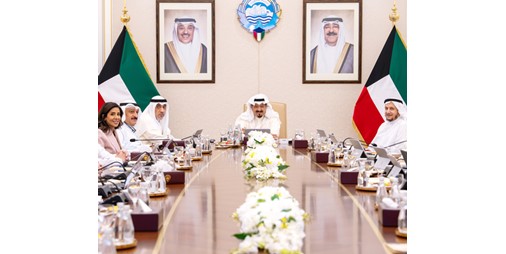

Kuwait’s Strong Condemnation of Houthi Attacks on Saudi Arabia
The Cabinet of Kuwait, led by His Highness Sheikh Ahmad Al-Abdullah, has expressed its strong condemnation of the recent terrorist attacks carried out by the Houthi militia against Saudi Arabia. These assaults targeted King Khalid International Airport in Riyadh, King Fahd International Airport in Dammam, and Abha International Airport, resulting in numerous casualties among innocent civilians, including travelers and airport workers of various nationalities.
The Minister of State for Cabinet Affairs, Sherida Al-Muasharji, stated that these cowardly acts represent a blatant violation of Saudi Arabia’s sovereignty and are a clear breach of international law and humanitarian principles. The council emphasized that continued targeting of civilian airports and vital facilities is a severe escalation that poses direct threats to civilian lives and the safety of air navigation, necessitating a firm international response to halt such heinous acts and hold those responsible accountable.
Humanitarian Concerns and Regional Stability
In light of the recent escalations, the Kuwaiti Cabinet reaffirmed its total solidarity with Saudi Arabia, committing unwavering support for measures taken to protect national security and stability. The Kuwaiti statement underscores that the security of Saudi Arabia is inextricably linked to the security of Kuwait and the Gulf Cooperation Council (GCC) nations.
This statement comes amid growing concerns over regional stability, as the council conveyed its heartfelt condolences to the families of the victims and expressed wishes for a swift recovery to the injured. The context of these attacks is crucial, as they reflect ongoing tensions in the region that impact broader security dynamics.
International Response and Future Actions
As the situation develops, the Cabinet highlighted the need for a unified global stance against terrorism, emphasizing that international efforts must strive to combat and eradicate such threats. This call to action is critical, particularly in light of the recent attacks, which expanded the geographical scope of hostilities.
The need for diplomatic dialogue and engagement remains paramount. The Cabinet noted recent communications with Iraq and discussions with regional and international partners regarding collaborative approaches to regional issues. The Kuwait government sees dialogue as a critical path forward in reducing tensions and preventing further escalations of violence.
Continuing Diplomatic Engagement
This week, the Cabinet also reviewed various topics on its agenda, discussing reports and committee documents related to enhancing bilateral ties with nations such as Slovakia and Italy. It reflects Kuwait’s active participation in international diplomacy aimed at fostering peaceful relations between countries.
In addition, the Cabinet acknowledged recent interactions with key international figures, including the Secretary-General of the Arab League and the Minister of Foreign Affairs of Slovakia. These meetings underscored Kuwait’s commitment to strengthening cooperative frameworks to address regional challenges and advance collective interests.
Conclusion and Future Outlook
In conclusion, the Cabinet’s firm condemnation of the Houthi attacks highlights the urgency for an effective international response to ongoing violence in the region. The continuous threats to civilian safety and infrastructure necessitate global cooperation for a peaceful resolution. Observers should watch for upcoming diplomatic initiatives that Kuwait may undertake, aimed at fostering dialogue and stability in the region amidst these challenging circumstances.