






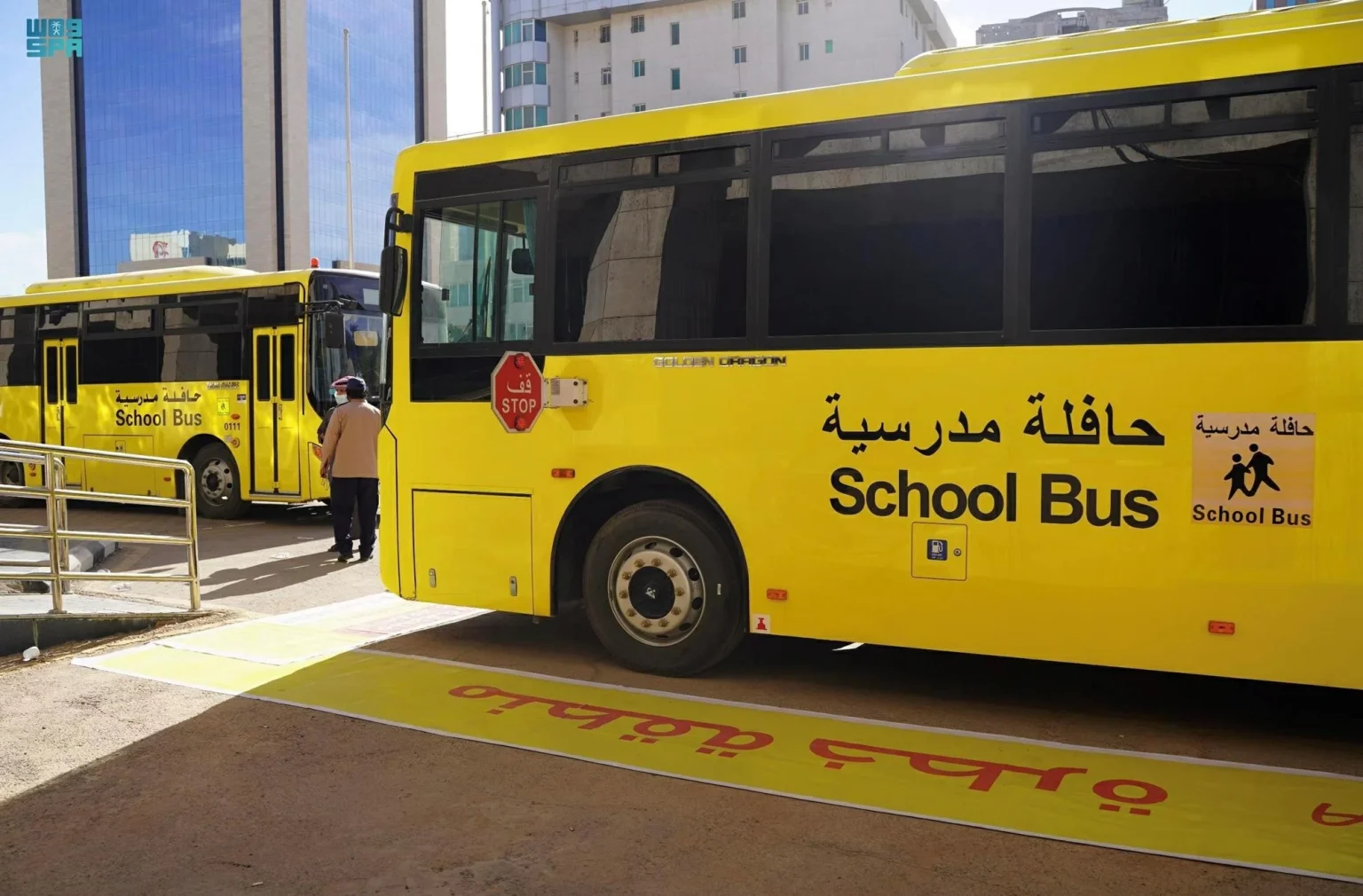

New Regulations for Educational Transport in Saudi Arabia
The Board of Directors of the General Transport Authority has approved amendments to the executive regulations governing educational transport services. These changes aim to enhance safety and improve the quality of services provided to students across the nation. The regulations focus on the operational age of buses, conditions for their extension, and guidelines for issuing and periodically inspecting operating permits.
Key Amendments to the Executive Regulations
Among the most significant adjustments to the regulations is the modification of the maximum operational age of buses. The limit has been revised to ten years from the year of manufacture, a reduction from the previous twelve years. This change is intended to ensure that vehicles used for transporting students are newer and less prone to mechanical failures.
Operational Age and Extension Conditions
Under the new regulations, exceptions are provided for extending the operational age of buses that hold a valid operating permit. Specifically:
- Buses with a capacity of more than 15 passengers can now operate for a maximum age of 15 years.
- Buses with a limited capacity of 15 passengers or fewer are permitted to operate for a maximum age of 12 years.
Furthermore, for any bus exceeding ten years of age since its manufacture, a technical inspection must be conducted every six months. This periodic testing is mandatory for the extension of the bus’s operational age.
Operating Permit Validity
The validity period of the operating permit has also been restructured, depending on the age of the bus. Buses that do not exceed the specified operational age will have a permit valid for one year. Conversely, buses that have received an extension on their operational age will have their permit valid for only six months. Importantly, the permit’s validity will always be connected to the expiration of the bus’s registration or its periodic technical inspection certificate—whichever occurs first.
Service Area Restrictions for Extended Buses
Additionally, it is important to note that the activity of buses that have had their operational age extended will be limited to the city where their license was issued. This localization is designed to promote safety and ensure that vehicles are used within controlled environments.
Implementation Timeline and Future Outlook
The new amendments will take effect 60 days after their official announcement, giving transport operators and bus owners enough time to adapt to the changes. This timeline is crucial as it allows stakeholders to align their operations with the new regulations ensuring compliance.
As these regulations roll out, all parties involved, including transport companies and educational institutions, should prepare for the operational adjustments required by the updates. The primary focus remains on safeguarding the well-being of students while enhancing service quality within the educational transport sector.
Looking ahead, stakeholders should observe how these amendments impact the safety standards in transportation and the implications for service providers. Continuous monitoring and evaluations will be essential to ensure the success of these regulatory changes in benefiting students and the broader community.