








Approval of Annual Increase Proposal in the State Budget
The House of Representatives has approved a proposal to establish a fixed annual increase of 40 Bahraini Dinars in the state budget law. This proposal, presented by Representative Abdulhakim Al-Shanu, aims to anchor this amount in the general state budget for the fiscal years 2023-2024 and 2025-2026, ensuring a consistent financial provision annually.
Objective of the Proposal
According to discussions held by members of the House, the primary goal of this proposal is to improve the living conditions of retirees amid rising living costs and inflation rates. Lawmakers emphasized that the increase is essential, especially considering the suspension of the previously established 3% annual increase in retirement pensions.
Government’s Stance on the Proposal
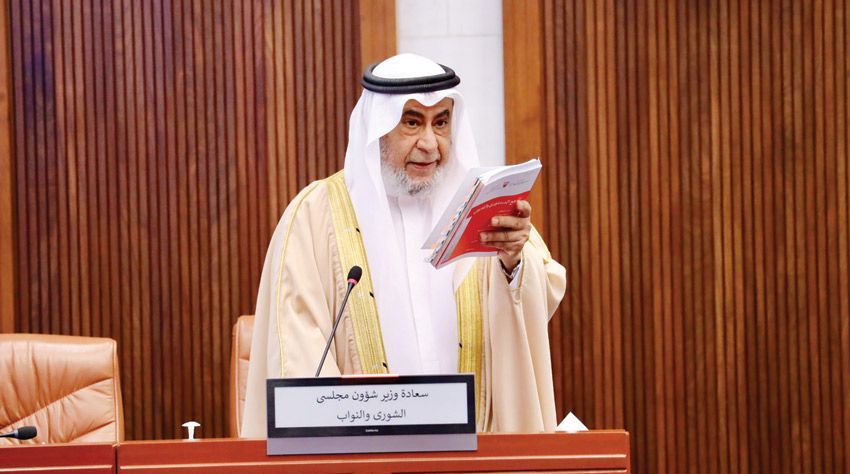
Conversing about the legislative context, Minister of the Shura and Representatives Council Ganem Al-Buainain asserted that the general state budget law regulates the rules and procedures for budget preparation. He highlighted that the law does not include specific amounts, advocating for consideration of the Ministry of Finance and National Economy’s observations regarding where to incorporate such proposals during budget discussions.
Potential Challenges Ahead
During the session, Representative Mohammed Al-Ahmad noted that while he supports the general idea of the proposal, he expressed concern over a formal objection the Council of Representatives might raise, as he emphasized that the budget law is procedural. He acknowledged that proposals regarding pension adjustments should ideally be included in the pension law itself. This viewpoint was echoed by Dr. Saleh Al-Ghith, head of the Legal Advisors Authority, who stated that while the essence of the proposal meets requirements, its placement in the budget law could lead to complications. He explained that if incorporated in the pension law, the increase would be handled through the pension fund.
Legislation Supporting Retirees
Representative Hassan Boukhmas underscored the importance of retirees in society, stating that they have contributed significantly to the nation over many years. He stressed the necessity of converting the increase into a fixed annual obligation rather than a temporary increment tied to a specific budget.
Moreover, Representative Jelila Al-Sayed emphasized the importance of adhering to the 3% annual pension increase. She called for a stable source of funding to ensure the rights of retirees, advocating for measures that secure these benefits sustainably in the long term.
Calls for Annual Adjustments
Representative Hamad Al-Dawi urged the return to the 3% annual increase instead of relying solely on the proposed 40 Dinar increment. He asserted that the delay in reinstating the annual increase is unacceptable, considering the relentless rise in living costs.
Further speaking on the matter, Representative Jamil Mullah Hassan highlighted the widespread hardships faced by citizens due to escalating prices. He pointed out that recent adjustments in salaries and pensions do not adequately address the continual increase in living expenses. He called for concrete actions to help citizens navigate these challenges, emphasizing that increasing pensions is one crucial demand for achieving greater living stability.
Responses to the Proposal Rejection
The discussions shifted to condemnations directed at the rejection of proposals made by the services committee regarding the draft law aimed at enhancing job notifications from the private sector. The House criticized the committee’s decision and insisted on the importance of compelling private enterprises to notify the Ministry of Labor about job vacancies, thereby increasing employment opportunities for Bahraini citizens.
The rejection of the proposal sparked heated debates, as various members voiced their grievances against the committee’s refusal, framing the rejection as a denial of citizens’ access to employment opportunities.
Forward-Looking Statements
As the discussions continue, the next steps remain focused on reviewing how these pension and labor proposals can be effectively integrated into existing laws. Lawmakers will need to strike a balance between ensuring retirees receive necessary benefits and addressing the broader employment needs within the private sector. Observers should keep an eye out for any developments in how these discussions evolve, particularly concerning the implications for retirees and employment in Bahrain.