








Kuwait Reaffirms Solidarity with Saudi Arabia Against Houthi Attacks
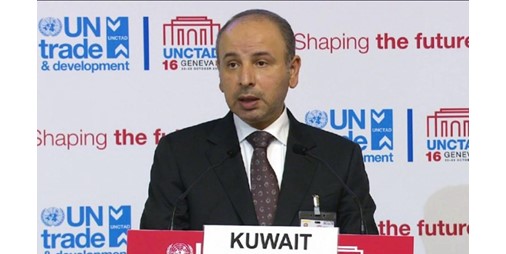
Kuwait’s Permanent Representative to the United Nations in Geneva, Ambassador Nasser Al-Hein, has reiterated the country’s unwavering support for Saudi Arabia in its fight against Houthi assaults, which are flagrant violations of international law. This statement came during a speech given by Ambassador Al-Hein at the Executive Committee of the United Nations High Commissioner for Refugees (UNHCR) held in Geneva from October 12 to 16.
In his remarks, Al-Hein condemned Iranian attacks on regional countries, emphasizing the continuous threats posed to maritime security and the freedom of international navigation. Such acts contribute to escalating tensions within the region.
Concerns Over Iranian Aggression and Regional Stability
Ambassador Al-Hein highlighted that attacks by Iranian-supported groups are not limited to direct assaults but have broader implications for security, the economy, and humanitarian conditions in the region. He stressed that these aggressions against civil and vital infrastructure lead to significant loss of life and substantial material and economic damages, representing a clear breach of international law and the United Nations Charter.
Kuwait voices deep concern regarding how these attacks can lead to precarious situations that transcend regional borders. Al-Hein called for intensifying international and regional efforts to de-escalate violence, protect civilians, and adhere to diplomatic dialogues as a means to address ongoing crises and pave the way for sustainable peace.
Impact on Humanitarian Efforts and Global Trade
The ambassador pointed out that the repercussions of these conflicts extend beyond immediate destruction, posing risks to global energy security. Disruptions to supply chains and international trade threaten not only regional stability but also exacerbate fragile humanitarian situations, worsening the plight of affected populations and undermining humanitarian and developmental response efforts.
Al-Hein emphasized that resolving such crises should not rely on escalation or military action. Instead, he advocates for dialogue, diplomatic initiatives, and sustainable solutions to guarantee security and stability while upholding the sovereignty and territorial integrity of affected states.
Kuwait’s Stance on Palestinian Displacement and Humanitarian Principles
In addition to addressing Iranian aggression, Al-Hein condemned Kuwait’s categorical opposition to the forced displacement of the Palestinian people in Gaza and the ongoing settlement activities in the West Bank. He called for adherence to international law and humanitarian principles to protect civilians and ensure unobstructed delivery of humanitarian assistance to those in need.
The ambassador expressed Kuwait’s alarm over the politicization of humanitarian actions, warning against using humanitarian aid as a tool within conflicts. He firmly rejected any attacks on humanitarian workers or hindrances to the flow of assistance, particularly in light of deteriorating humanitarian situations in Gaza, the West Bank, Sudan, and Yemen.
Kuwait’s Support for UNHCR and Global Refugee Protection
Further emphasizing Kuwait’s commitment to humanitarian efforts, Al-Hein reaffirmed the nation’s steadfast support for the United Nations High Commissioner for Refugees. He acknowledged the essential role that the agency plays in safeguarding forcibly displaced individuals amid increasingly complex humanitarian challenges worldwide.
With this in mind, Kuwait continues to call for comprehensive strategies that address the root causes of displacement while ensuring the protection of refugees and those seeking asylum. Kuwait’s consistent stance reinforces the need for coordinated global efforts to tackle humanitarian crises effectively.
Looking Ahead: Emphasis on Dialogue and Regional Cooperation
As tensions in the region persist, observers should anticipate greater calls for diplomatic efforts aimed at conflict resolution. The international community is encouraged to remain vigilant and supportive of initiatives prioritizing dialogue over military options. The unfolding situation warrants continuous attention to ensure that security, humanitarian needs, and the principles of international law are upheld.
Future discussions and conferences will likely address the urgent need for peace and stability in both the Middle East and beyond, with a focus on enhancing cooperation among nations to tackle these pressing issues collectively.