





Approval of Technical Standards and Guidelines for Building Facades in Adliya Complex
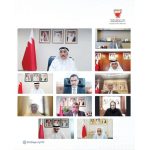
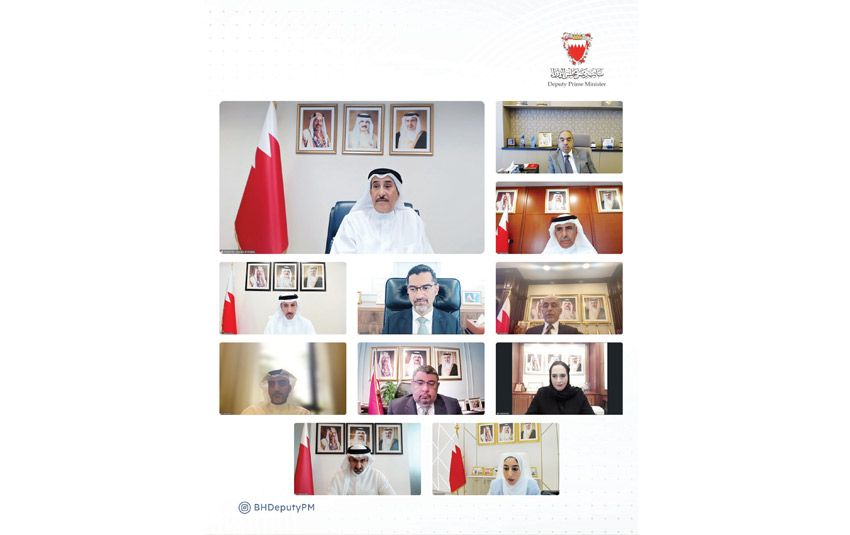
The Ministerial Committee for Development Projects and Infrastructure in Bahrain recently approved a project for the guidelines and standards applicable to building facades in the northern part of Complex 338 in the Adliya area. The committee, chaired by Sheikh Khalid bin Abdullah Al Khalifa, Vice President of the Council of Ministers, gathered to address various important projects impacting urban development.
Delegate Meeting Highlights and Key Developments
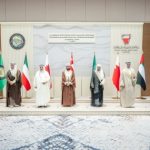
During the 319th meeting, the committee commended Bahrain’s successful hosting of the 46th Gulf Cooperation Council (GCC) session. This acknowledgment underscores Bahrain’s commitment to enhancing cooperative efforts among member states in vital sectors. The meeting also discussed advancements in the agricultural sector, pointing out a recent inspection visit by the Minister of Municipalities and Agriculture to newly developed agricultural lands in the Buri area, marking an 87% completion rate of the project’s infrastructure.
Importance of the Building Facade Guidelines
The newly approved project for the guidelines and standards for building facades in Complex 338 is a significant step towards improving the architectural landscape in Adliya. This initiative is divided into three sections that detail immediate proposed enhancements for the area. These include structural modifications to building facades, improvements of infrastructure, and technical aspects that ensure the integration of modern design principles.
Officials indicated that the guidelines will serve as a reference for developers and architects, promoting aesthetic appeal while ensuring compliance with safety and environmental standards. The implementation of these guidelines is expected to attract investments and enhance property values in the locality.
Infrastructure Development and Future Projects
The committee also examined ongoing infrastructure projects, focusing on the essential utilities connecting primary and secondary infrastructure networks to properties within residential plans in Khalifa City. The Ministry of Works and the Electricity and Water Authority were assigned to coordinate these developments with all relevant stakeholders.
Moreover, the committee reviewed integrated efforts among ministries to develop the Manama Port. The proposed master plan aims to incorporate necessary services and infrastructure while addressing proposed technical solutions to link the port with surrounding major roads. This development is anticipated to enhance trade and tourism activities considerably in Bahrain.
Traffic Management Initiatives and Moving Forward
Traffic flow improvement towards the King Fahd Causeway was also a focal point during the meeting. The committee discussed several initiatives aimed at facilitating movement between Bahrain and the Kingdom of Saudi Arabia, ensuring seamless connectivity across borders. These measures reflect Bahrain’s strategic commitment to fostering regional collaboration.
Furthermore, the committee continued to monitor advances in the animal wealth sector, reviewing completed steps to enhance the infrastructure of livestock production projects in Bahrain for improved operational efficiency.
In conclusion, the progress on the technical standards and guidelines for building facades, along with other infrastructure initiatives, marks Bahrain’s ongoing efforts to modernize its urban landscape while enhancing collaboration with neighboring states. Observers should watch for the forthcoming implementation of these guidelines and subsequent projects that are set to shape the future of urban development in the region.