




Global Cooperation and Future Leadership Discussed at World Government Summit
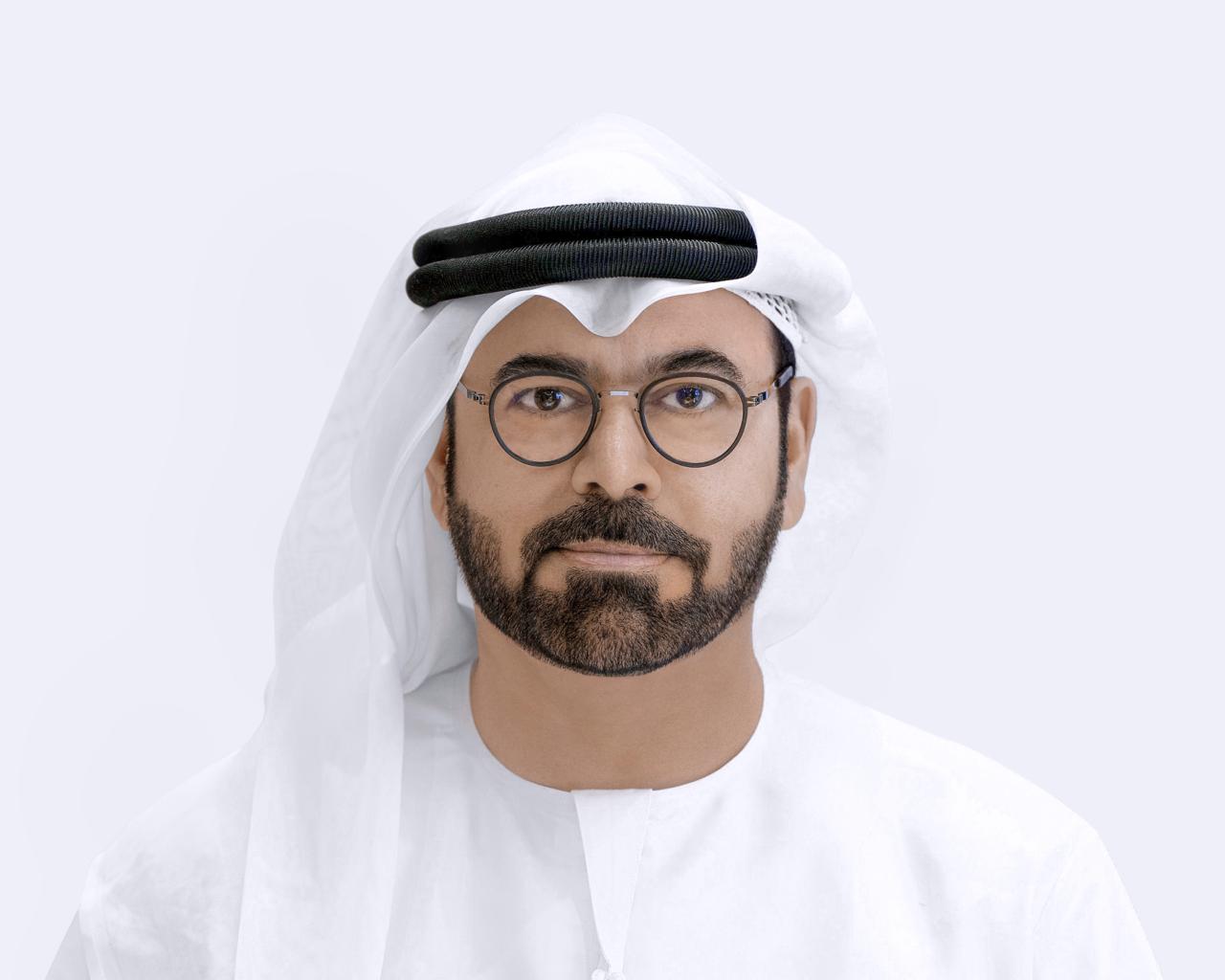
Mohammed Abdullah Al Gergawi, Minister of Cabinet Affairs and President of the World Government Summit, emphasized the importance of enhancing cooperation frameworks between governments and international organizations at the event. The summit aims to elevate partnerships that positively influence the future, working alongside global governments, organizations, leaders, and decision-makers.
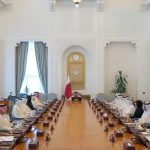
During discussions held by the World Government Summit, seven candidates for the Secretary-General position of the United Nations shared their visions for global leadership. The dialogue underscored the opportunities presented by rapid technological advancements and the major challenges facing governments and the international community. These discussions were part of the summit’s initiative to broaden international dialogue and enhance future foresight.
Insights from Seven UN Secretary-General Candidates
The panel featured a distinguished array of former presidents, international officials, and ambassadors, including former Senegalese President Macky Sall and former Chilean President Michelle Bachelet. They presented their insights on global leadership’s future, innovative solutions in a rapidly changing world, and the transformative role of technology. The discussion was moderated by Omar Sultan Al Olama, Minister of State for Artificial Intelligence and Vice President of the World Government Summit.
Participants included Rafael Mariano Grossi, Director-General of the International Atomic Energy Agency; Maria Fernanda Espinosa, President of the 73rd United Nations General Assembly; and Rebecca Grynspan, Secretary-General of the United Nations Conference on Trade and Development (UNCTAD), among others.
Preparing for Future Challenges in Leadership
Omar Sultan Al Olama highlighted the need for governments to redefine leadership concepts in response to unprecedented global changes. The summit serves as a platform for sharing foresight, experiences, and strengthening positive cooperation to shape a better future. Discussions emphasized how governments can prepare for future challenges by implementing effective leadership strategies and utilizing artificial intelligence to improve quality of life.
The summit’s dialogue explored the future of the United Nations and how it can adapt to global transformations. Topics included the importance of foresight and readiness, effective execution, and the role of governments in converting development into tangible opportunities.
Calls for Reform and Enhanced Multilateralism
The dialogue also addressed crucial issues such as the need for UN reform. Caroline Rodriguez emphasized that the voices advocating for reform have never been louder, insisting that the UN plays a pivotal role and can be improved. She argued for a proactive UN Secretary-General focused on security and global development, highlighting the necessity of partnerships for achieving sustainable development goals.
Rebecca Grynspan affirmed that multipolarity is a reality and that multilateralism is essential for the international system. She advocated for a renewed UN focus on global trust, security, and sustainable development, emphasizing that investment in developing countries requires better financial conditions and support mechanisms.
Statements from Candidates on UN’s Future Role
Macky Sall articulated that enduring poverty obstructs peace, advocating for development as a genuine peace strategy. He underscored the need for the UN to re-establish trust among nations to address ongoing geopolitical tensions. Meanwhile, Maria Espinosa insisted that after 80 years of UN existence, it’s time for a woman to lead the organization, emphasizing the UN’s necessity even amid its crisis of confidence.
Yvonne Baqui emphasized the importance of proactive measures, stating that if the UN could prevent humanitarian suffering instead of merely responding to it, the efforts to restore its role would be justified. She noted the importance of collaboration with technology companies for sustainable development and accountability.
The Urgency of a Proactive UN
Michelle Bachelet added that renewing the multilateral system is essential to foster collaboration and address global challenges. She called for a UN that not only manages the present but actively shapes the future through preventive measures. Rafael Grossi noted the need for open discussions about international institutions and underscored that an effective UN must be adaptable and responsive to global conflicts and challenges.
Conclusion
The World Government Summit remains a crucial platform for envisioning the future of governance and international cooperation. As discussions on the reform and capabilities of the UN continue, attention will be directed toward the next steps in fortifying global partnerships and addressing the pressing issues facing societies worldwide. The forthcoming actions from these dialogues will shape global governance and collaborative frameworks significantly, setting the stage for proactive and effective leadership in confronting future challenges.