






By using this site, you agree to the Privacy Policy and Terms of Use.
Accept
Gulf PressGulf Press
  • Gulf News
    • Saudi Arabia
    • UAE
    • Oman
    • Kuwait
    • Qatar
    • Bahrain
  • Business
  • Technology
  • Real Estate
  • Sport
  • Travel
  • Lifestyle
  • Rankings
  • Explained
  • Opinion
Search
Countries
More Topics
Site Links
  • Newsletter
  • Terms
  • About Us
  • Advertise with us
  • Contact Us
© 2023 Gulf Press. All Rights Reserved.
Reading: Why Minimalist Living Is Becoming Popular Worldwide
Share
Notification Show More
Latest News
Sardal Empowers 188 Students with Essential Life Skills
Oman
Barcelona vs Al Ahly Joan Gamper Cup 2026 kickoff lineups channels
Qatar
Penalties Begin for Disability Rights Violations in Private Facilities
Saudi Arabia
Mohamed bin Zayed University for AI Launches Benchmark for 13 Arabic Dialects
UAE
Bahraini Youth Hail Kings Visit to Youth City as Honor and Drive
Bahrain
Aa
Gulf PressGulf Press
Aa
  • Gulf News
  • Business
  • Technology
  • Real Estate
  • Sport
  • Travel
  • Lifestyle
  • Rankings
  • Explained
  • Opinion
Search
  • Gulf News
    • Saudi Arabia
    • UAE
    • Oman
    • Kuwait
    • Qatar
    • Bahrain
  • Business
  • Technology
  • Real Estate
  • Sport
  • Travel
  • Lifestyle
  • Rankings
  • Explained
  • Opinion
Have an existing account? Sign In
Follow US
  • Terms
  • About Us
  • Advertise with us
  • Contact Us
© 2023 Gulf Press. All Rights Reserved.
Gulf Press > Opinion > Why Minimalist Living Is Becoming Popular Worldwide
Why Minimalist Living Is Becoming Popular Worldwide
Opinion

Why Minimalist Living Is Becoming Popular Worldwide

Mohamed Mahmoud
Last updated: 2026/08/19 at 8:27 PM
Mohamed Mahmoud
Share
6 Min Read
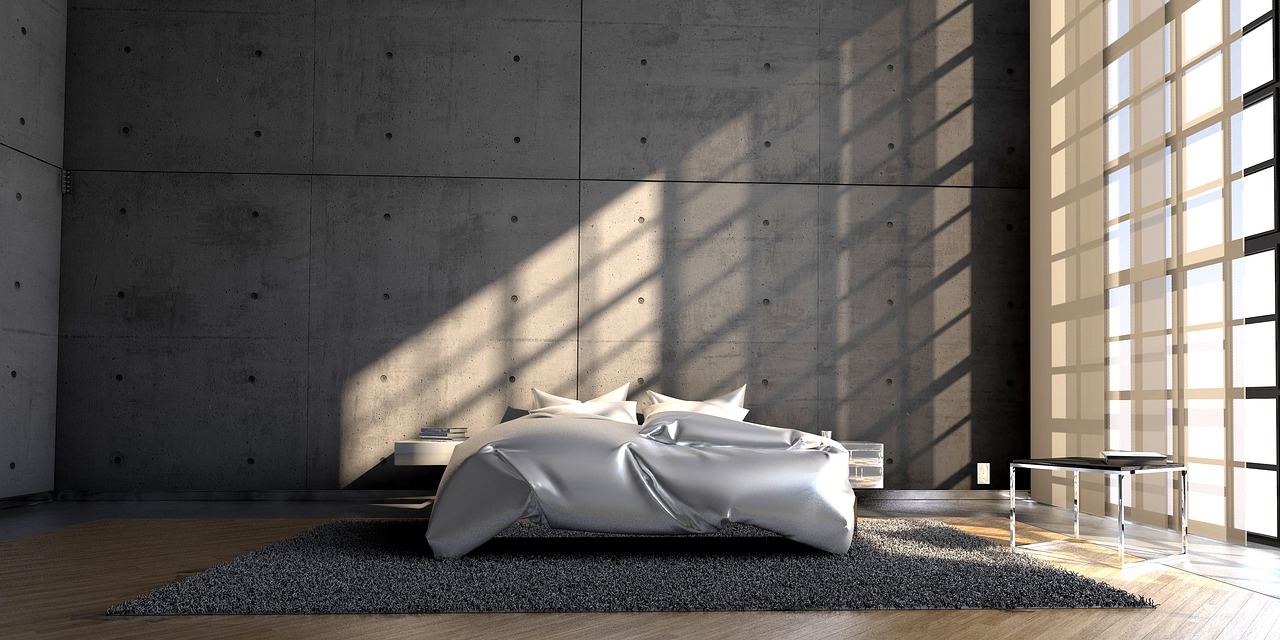
Image by PIRO4D on Pixabay
SHARE

Contents
1. Reaction against constant consumerism2. Overload from information and possessions3. Financial and economic pressures4. Environmental and ethical concerns5. Cultural shifts in housing and work6. Influence of media, influencers and public figures7. Pandemic and life re-evaluation

Minimalism — the intentional choice to own and do less — has moved from niche philosophy to mainstream lifestyle. This article looks at the cultural, economic, environmental and psychological forces driving the trend, and offers practical tips for trying it yourself.

What people mean by “minimalist living”

Minimalist living typically means simplifying possessions, commitments and habits to focus on what matters most. For some people it’s about reducing clutter and owning fewer things; for others it’s about redesigning schedules, relationships or work to prioritize freedom, meaning and sustainability.

Key reasons the movement is growing

1. Reaction against constant consumerism

After decades of advertising and easy credit encouraging endless buying, many people are tired of accumulating things that bring only temporary satisfaction. Minimalism promises a counter-cultural alternative: buy less, value quality over quantity, and let possessions serve specific purposes rather than define identity.

2. Overload from information and possessions

Digital devices and always-on culture create mental clutter as much as material clutter does. Simplifying belongings and commitments can reduce decision fatigue and create clearer mental space. People increasingly equate fewer things with less anxiety and better focus.

3. Financial and economic pressures

Cost of living pressures, housing shortages, student debt and economic uncertainty make minimalism appealing because it can lower expenses. Small-space living, shared resources and prioritizing experiences over purchases are practical responses to tighter budgets.

4. Environmental and ethical concerns

Awareness of pollution, waste, climate change and the environmental cost of fast fashion and disposable goods has pushed many consumers toward buying less and choosing durable, repairable items. Minimalism aligns with sustainable living by reducing consumption and waste.

5. Cultural shifts in housing and work

Urbanization, smaller apartments and the rise of remote work have changed how people use space. With less need for large, formal homes and commuting-related belongings, many adopt simpler lifestyles. Tiny houses, co-living and multifunctional furniture are visible expressions of this shift.

6. Influence of media, influencers and public figures

Documentaries, books, podcasts and social media have made minimalist ideas highly visible. When stories and practical tips are shared widely, people are more likely to try changes and share results, accelerating adoption.

7. Pandemic and life re-evaluation

Periods of disruption, notably the COVID-19 pandemic, prompted many to reassess priorities. Spending more time at home led to decluttering projects, while uncertainty about the future encouraged people to simplify to stay resilient.

Benefits people report

  • Less stress and reduced decision fatigue
  • Lower expenses and improved financial flexibility
  • More time and energy for relationships, hobbies and meaningful work
  • Smaller environmental footprint and less waste
  • Greater clarity about values and life priorities

“Minimalism isn’t about getting rid of everything you own. It’s about making room for the things that matter.” — a common theme among people who adopt the approach.

Practical steps to try minimalist living

Minimalism can be adopted gradually. Try these practical steps:

  • Start small — declutter one drawer, shelf or room at a time.
  • Use the “use it in 12 months” rule: if you haven’t used it in a year, consider letting it go.
  • Prioritize experiences over things — plan activities that create memories rather than buying items to fill time.
  • Set spending rules — e.g., wait 30 days before making non-essential purchases.
  • Make multipurpose spaces and furniture work for you to reduce the need for extra items.
  • Practice digital decluttering — unsubscribe, limit notifications, and organize files and apps.
  • Donate, recycle or sell items responsibly to reduce waste.

Common misconceptions and challenges

Minimalism is sometimes depicted as austere or obsessive, but most practitioners aim for balance. Common challenges include:

  • Social pressure: friends and family may not share the same values, making gatherings and gift-giving awkward.
  • Decision paralysis: choosing what to keep can feel emotionally difficult.
  • Keeping extremes in check: minimalism should serve your life, not become an additional source of stress or moralizing behavior.

The healthiest versions of minimalism are adaptable and focused on improving daily life rather than adhering to strict rules.

Who minimalism appeals to

Minimalism resonates across demographics: young professionals seeking freedom from debt, families wanting simpler routines, retirees downsizing, climate-conscious consumers, and creative workers seeking mental space. The appeal lies in reducing friction so people can spend more time on what they value.

Conclusion

Minimalist living is popular because it responds to very current pressures — economic uncertainty, environmental urgency, information overload and a desire for more meaningful lives. It isn’t a one-size-fits-all solution, but its core promise — that owning and doing less can free you to focus on what matters — explains why the idea has spread around the world.

Whether you try a small decluttering experiment or fully redesign your home and schedule, the point of minimalism is intentionality: making choices that reflect your priorities, not someone else’s.


Published as a general overview. If you’d like a shorter summary, printable checklist for starting minimalism, or examples tailored to small apartments or families, tell me which format you prefer.

Sign Up For Daily Newsletter

Be keep up! Get the latest breaking news delivered straight to your inbox.
[mc4wp_form]
By signing up, you agree to our Terms of Use and acknowledge the data practices in our Privacy Policy. You may unsubscribe at any time.
Share this Article
Facebook Twitter Copy Link Print
Previous Article SOUEAST UAE launches S08 Luxury following the success of the Flagship S08DM
Next Article Bahraini Youth Hail Kings Visit to Youth City as Honor and Drive
Leave a comment Leave a comment

Leave a Reply Cancel reply

Your email address will not be published. Required fields are marked *

Stay Connected

235.3k Followers Like
69.1k Followers Follow
56.4k Followers Follow
136k Subscribers Subscribe
- Advertisement -
Ad imageAd image

Latest News

Sardal Empowers 188 Students with Essential Life Skills
Oman August 20, 2026
Barcelona vs Al Ahly Joan Gamper Cup 2026 kickoff lineups channels
Qatar August 20, 2026
Penalties Begin for Disability Rights Violations in Private Facilities
Saudi Arabia August 19, 2026
Mohamed bin Zayed University for AI Launches Benchmark for 13 Arabic Dialects
UAE August 19, 2026

You Might also Like

Why More Families Are Choosing International Schools in GCC
Opinion

Why More Families Are Choosing International Schools in GCC

August 17, 2026
Why Side Hustles Are Becoming Popular in the Gulf Region
Opinion

Why Side Hustles Are Becoming Popular in the Gulf Region

August 15, 2026
Why Online Privacy Matters More Than Ever in 2026
Opinion

Why Online Privacy Matters More Than Ever in 2026

August 13, 2026
Why Sports Investments Are Changing Saudi Arabia Global Image
Opinion

Why Sports Investments Are Changing Saudi Arabia Global Image

August 11, 2026
Why Social Media Influencers Have More Power Than Ever
Opinion

Why Social Media Influencers Have More Power Than Ever

August 9, 2026
Why Personal Branding Matters for Career Growth in 2026
Opinion

Why Personal Branding Matters for Career Growth in 2026

August 7, 2026
Why More People Are Moving to Riyadh and Dubai
Opinion

Why More People Are Moving to Riyadh and Dubai

August 5, 2026
Why Home Ownership Is Still a Smart Investment in 2026
Opinion

Why Home Ownership Is Still a Smart Investment in 2026

August 3, 2026
//

GulfPress is a modern Gulf media platform delivering trusted news, business insights, technology updates, real estate trends, travel stories, explainers, and rankings from across the GCC and the Middle East.

Quick Link

  • About Us
  • Editorial Policy
  • Corrections Policy
  • Advertise with us
  • Contact Us
  • Privacy Policy
  • Terms of use

How Topics

  • Gulf News
  • Business
  • Lifestyle

Sign Up for Our Newsletter

Subscribe to our newsletter to get our latest news instantly!

[mc4wp_form]

Gulf PressGulf Press
Follow US

© 2023 Gulf Press. All Rights Reserved.

Join Us!

Subscribe to our newsletter and never miss our latest news, podcasts etc..

[mc4wp_form]
Zero spam, Unsubscribe at any time.

Removed from reading list

Undo
Welcome Back!

Sign in to your account

Lost your password?