




Assassination of Gaza police chief reported amid intensified strikes
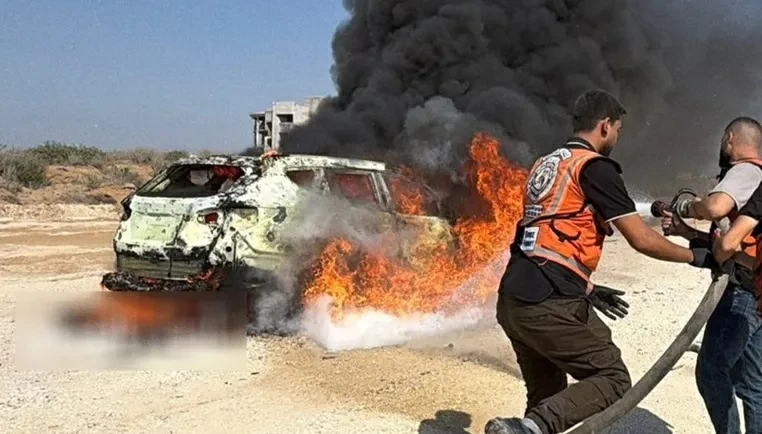
Palestinian authorities reported the assassination of Gaza’s police director in an overnight strike, a development described by local officials as part of a broader escalation. The assassination of Gaza police chief, according to statements from Gaza health and security sources, coincided with additional attacks that killed and wounded several civilians in populated areas.
Witnesses and emergency responders said the strike took place in the Gaza Strip late on the night officials identified, and the health ministry confirmed civilian casualties. Meanwhile, the Israeli military issued limited statements attributing attacks to specific security targets, and international observers called for independent verification.
Who was targeted and immediate aftermath
Local security officials identified the slain police director as a senior figure in Gaza’s internal security apparatus, saying he was killed at a location in the territory’s urban belt. The report indicates the strike also struck nearby residential buildings, resulting in civilian casualties and damage to infrastructure.
Emergency teams entered the area following the attack, and medical authorities transported the injured to hospitals that are already under strain. Furthermore, officials said families displaced by earlier operations sought shelter in remaining community centers and UN-run facilities.
Assassination of Gaza police chief: how it fits into recent operations
The assassination of Gaza police chief follows a pattern of targeted operations against security personnel reported in recent weeks. Analysts say these strikes are part of a campaign aimed at degrading command structures, according to regional security experts and military briefings made public by both sides.
Additionally, the timing of the operation came during intensified Israeli airstrikes across the Gaza Strip, which have been accompanied by exchanges of rocket fire and ground maneuvers near border areas. The overall environment has increased the risk to civilians and humanitarian supplies, officials warned.
Civilian casualties and humanitarian consequences
Civilian casualties were reported in the same incidents that claimed the police director’s life. The Gaza Health Ministry, quoted by local media, said hospitals received the wounded and that the medical system is coping with shortages of staff, fuel and critical supplies.
Humanitarian agencies expressed concern about access to medical care and the safety of displaced people. In addition, damage to water and power infrastructure has compounded the crisis, leaving residents unable to rely on basic services. Aid groups cautioned that further escalation would deepen the humanitarian impact.
International and regional responses
The events prompted reactions from regional governments, international organizations and human rights groups. The United Nations urged restraint and asked for independent investigations into civilian deaths, while calls for de-escalation came from several European capitals and Arab states.
Human rights organizations reiterated the need for accountability and adherence to international humanitarian law. Meanwhile, Israeli officials said operations target militants and commanders, asserting military necessity; independent verification of specific claims is pending, according to diplomats and monitoring groups.
Background: tensions and prior incidents in the Gaza Strip
The Gaza Strip has experienced recurrent cycles of violence over recent years, with periodic flare-ups involving Israeli airstrikes, rocket launches and ground operations. The assassination of Gaza police chief adds to a series of targeted killings and arrests that have occurred amid heightened hostilities.
Analysts note that the fragmentation of security institutions and overlapping command networks complicate attribution and raise questions about long-term stability. Furthermore, the densely populated nature of Gaza increases the likelihood of civilian harm when military strikes occur in urban areas.
Legal and strategic considerations
Legal experts emphasize that operations in populated areas must comply with international humanitarian law, including precautions to minimize civilian harm. Strategically, targeted killings of senior security figures can have short-term tactical effects but may also fuel further violence and undermine prospects for de-escalation.
What to watch next
Observers will monitor statements from the Israeli military and Palestinian authorities for clarification on the strike’s justification and the identities of those affected. Investigations by independent bodies or international observers, if permitted, could provide a clearer account in the coming days.
Furthermore, humanitarian access, the flow of aid, and the condition of medical facilities are key indicators to watch. Elections, diplomatic initiatives, or external mediation efforts may influence whether the current escalation subsides or expands.
Conclusion and expected developments
The reported assassination of Gaza police chief and the associated civilian casualties mark a significant escalation in an already volatile environment. In the short term, residents and relief agencies are likely to face mounting needs while political leaders and international actors weigh responses.
Readers should watch for updates from the Gaza Health Ministry, the Israeli military, and international monitors over the next 48 to 72 hours for confirmation of details and any shifts in operational tempo. Continued reporting and independent verification will be essential to understanding the full scope and implications of these events.