





KReSP 2026 concludes at King Abdullah Medical City
King Abdullah Medical City concluded its summer scientific research program KReSP 2026 with a closing ceremony that showcased project outcomes and honored participating students. The program brought together aspiring researchers and healthcare trainees for hands-on research training and practical workshops. Organizers said the event highlighted student presentations, mentorship achievements, and the importance of research in clinical settings.
Program highlights and participant recognition
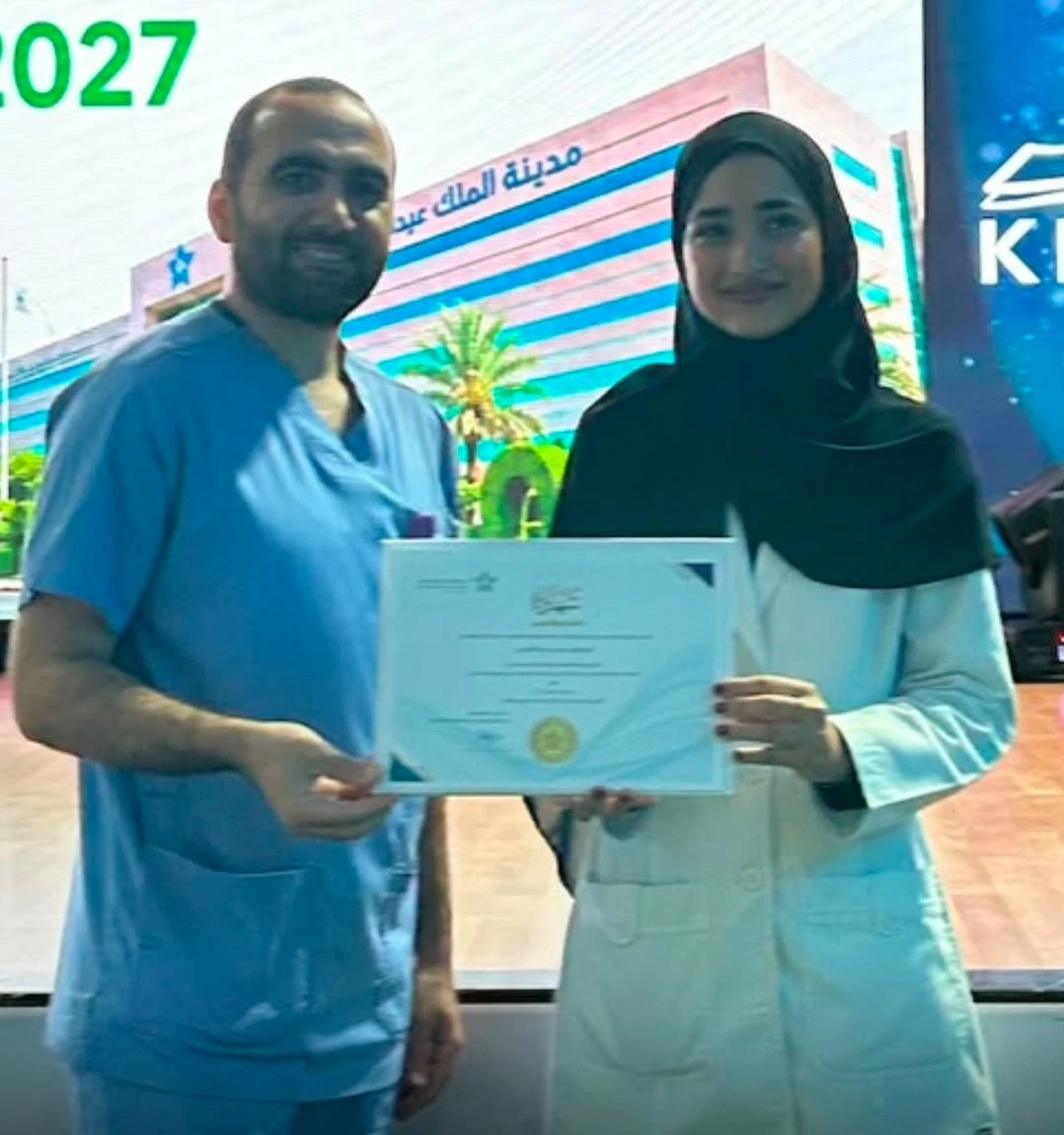
The closing ceremony recognized the contributions of several participants, with special recognition given to nursing student Jwan Al-Bathahi for her active engagement throughout the training period. Officials noted that Al-Bathahi demonstrated consistent involvement in research activities, group projects, and applied scientific sessions. Furthermore, the award highlighted how participation in short-term research programs can strengthen individual skills and contribute to institutional research culture.
During the event, organizers displayed key outputs from supervised student projects and training modules designed to introduce research methods to newcomers. According to program staff, these outputs included literature reviews, pilot data summaries, and posters that illustrated the trainees’ progress. The ceremony served both as a platform to celebrate achievement and as an opportunity to reflect on lessons learned during the summer term.
How KReSP 2026 supports research training and nursing research
KReSP 2026 emphasized practical learning in research training, aiming to familiarize students with the stages of scientific inquiry and clinical research application. The curriculum combined classroom instruction with supervised fieldwork, enabling participants to experience protocol development, basic data handling, and ethical considerations. Program leaders said such exposure is intended to encourage students to pursue further research activities and to integrate evidence-based thinking into their clinical careers.
For nursing students in particular, participation offered a pathway to develop competencies relevant to nursing research and quality improvement. In Al-Bathahi’s case, program organizers credited her increased confidence in research practices and enhanced academic preparedness. Moreover, the training aligns with broader institutional objectives to support workforce development in healthcare research and to bolster capacity for locally led studies.
Curriculum structure and mentorship approach
The program combined seminars on research methodology with hands-on mentoring from clinicians and academic staff. Workshops covered topic selection, study design basics, data collection techniques, and scientific communication. Additionally, small-group mentorship allowed participants to receive tailored feedback on project plans and presentations, which organizers said improved the overall quality of student outputs.
Mentorship emphasized the translation of research ideas into feasible projects and encouraged ethical conduct in clinical research. Officials described a model that pairs early-career students with experienced researchers for the duration of the program to ensure continuity and practical guidance. Therefore, the mentorship approach is viewed as central to sustaining participants’ interest in pursuing research beyond the summer term.
Implications for clinical practice and institutional research capacity
Programs like KReSP 2026 contribute to a growing emphasis on integrating research and practice within healthcare institutions. By exposing students to research training and applied projects, organizers aim to seed a culture of inquiry that supports evidence-based clinical decision-making. According to officials, building a pipeline of staff skilled in basic research methods can help institutions design better quality improvement initiatives and inform patient care practices.
Furthermore, the experience gained by participants can support multidisciplinary collaboration between nurses, physicians, and allied health professionals. This cross-disciplinary engagement is important for clinical research that addresses real-world healthcare challenges. Therefore, the program’s outcomes may extend beyond individual awards to influence team-based approaches to care and local research priorities.
Next steps and future expectations
Organizers indicated that follow-up activities will include mentorship continuations, opportunities to present at internal forums, and support for translating promising projects into larger studies. While specific timelines for the next cohort were not published at the ceremony, officials said announcements about future sessions and participation criteria will be shared through institutional channels. Meanwhile, participants were encouraged to maintain engagement with mentors and to pursue publication or presentation avenues for their work.
Stakeholders said they expect the program to contribute gradually to a more research-active workforce and to nurture early interest in scientific careers among healthcare students. Observers should watch for updates on subsequent KReSP cycles and related capacity-building initiatives at the institution.
Conclusion and what to watch next
The completion of KReSP 2026 at King Abdullah Medical City underscores a targeted effort to expand research training opportunities for students and early-career clinicians. The recognition of standout participants such as Jwan Al-Bathahi reflects the program’s role in developing research skills and supporting nursing research pathways. Readers should look for official announcements about upcoming program dates, calls for applications, and dissemination of student project results as markers of the program’s continuing impact.