





Pediatric achalasia diagnosed and treated at Tadawi Hospital in Dubai
A multidisciplinary team at Tadawi Hospital in Dubai successfully diagnosed and treated a young girl with pediatric achalasia after years of undiagnosed symptoms. The child, who had experienced chronic swallowing difficulty and reflux for about three years, underwent a targeted contrast esophagram that revealed the underlying esophageal disorder within minutes, officials said.
The hospital’s pediatric and radiology teams coordinated promptly, and the child received an endoscopic treatment that restored painless swallowing and supported resumed growth. The case underscores the importance of considering rare causes when common symptoms persist and of rapid multidisciplinary evaluation.
Pediatric achalasia: a rare esophageal disorder
Pediatric achalasia is a rare condition in which the lower esophageal muscle fails to relax normally, blocking the passage of food and liquids into the stomach. Medical literature indicates the disorder affects roughly one child in a million, and it can lead to progressive swallowing difficulty, recurrent regurgitation and feeding-related pain if undetected.
Because symptoms may overlap with more common childhood conditions such as reflux or viral illnesses, clinicians can miss the diagnosis for months or years. Furthermore, prolonged nutritional compromise from an esophageal disorder can slow growth and development, making early recognition critical for long-term outcomes.
How Tadawi Hospital identified the condition
The patient presented to Tadawi Hospital’s pediatric clinic with symptoms that initially resembled routine upper respiratory or gastrointestinal complaints. However, the pediatrician noted that the child’s weight and height were below expected norms for her age, prompting a more comprehensive evaluation.
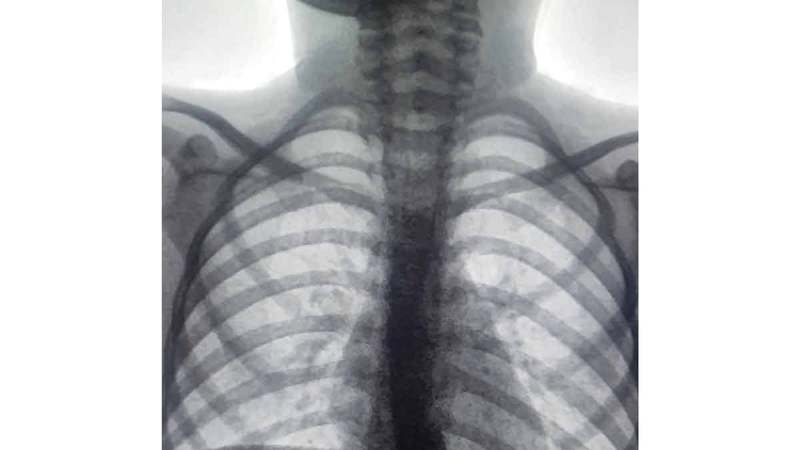
On further inquiry, the family reported a multi-year history of difficulty swallowing and chronic reflux that had previously been treated symptomatically without a definitive diagnosis. Therefore, the hospital arranged a contrast esophagram in cooperation with the radiology department. The imaging study allowed clinicians to visualize the esophagus and revealed findings consistent with pediatric achalasia in approximately ten minutes.
Treatment: endoscopic intervention and recovery
Following diagnosis, the child underwent an endoscopic therapeutic procedure at Tadawi Hospital, which the medical team reported as successful. The intervention relieved the functional obstruction at the lower esophageal sphincter, enabling the child to swallow normally and, subsequently, to resume appropriate nutritional intake.
Endoscopic treatment is among several accepted approaches for achalasia; choice of therapy depends on clinical factors, available expertise and patient condition. In this case, the timely procedure contributed to measurable improvement in symptoms and is expected to support catch-up growth and improved quality of life as the child continues follow-up care.
Why coordinated, multidisciplinary care matters
This case highlights the value of multidisciplinary collaboration between pediatrics, radiology and interventional teams for diagnosing and managing rare conditions. When clinicians integrated clinical observation with targeted imaging, they reached a definitive diagnosis rapidly, avoiding further delay in treatment.
Additionally, the case demonstrates that seemingly mild or familiar symptoms—such as intermittent reflux or coughing during meals—warrant deeper assessment when accompanied by growth delays or persistent feeding problems. Therefore, coordinated care pathways can reduce time to diagnosis for uncommon esophageal disorders.
Guidance for parents and clinicians
Health professionals at Tadawi Hospital urged parents not to dismiss ongoing or unusual feeding and swallowing complaints. Persistent swallowing difficulty, unexplained weight loss, or growth faltering should prompt evaluation by a pediatrician and, when indicated, referral for specialist testing.
Diagnostic tools commonly used in suspected achalasia include contrast esophagram and esophageal manometry; endoscopic assessment may also play a role in both diagnosis and treatment. While the hospital’s team selected imaging and endoscopic therapy appropriate to this child’s presentation, clinicians should individualize testing and care planning for each patient.
Outlook and next steps
The immediate outcome for the child treated at Tadawi Hospital is positive, with restoration of painless swallowing and anticipated improvements in nutrition and growth. The family will continue regular follow-up to monitor progress and to address any ongoing nutritional or developmental needs.
Looking ahead, clinicians and health systems should watch for increases in awareness and earlier referrals for children with chronic feeding problems. Improved recognition of pediatric achalasia and similar esophageal disorders can shorten diagnostic delays and enable timely interventions that preserve growth and quality of life, medical officials suggested.