







Saudi support for Yemen: Pillar of stability and reform
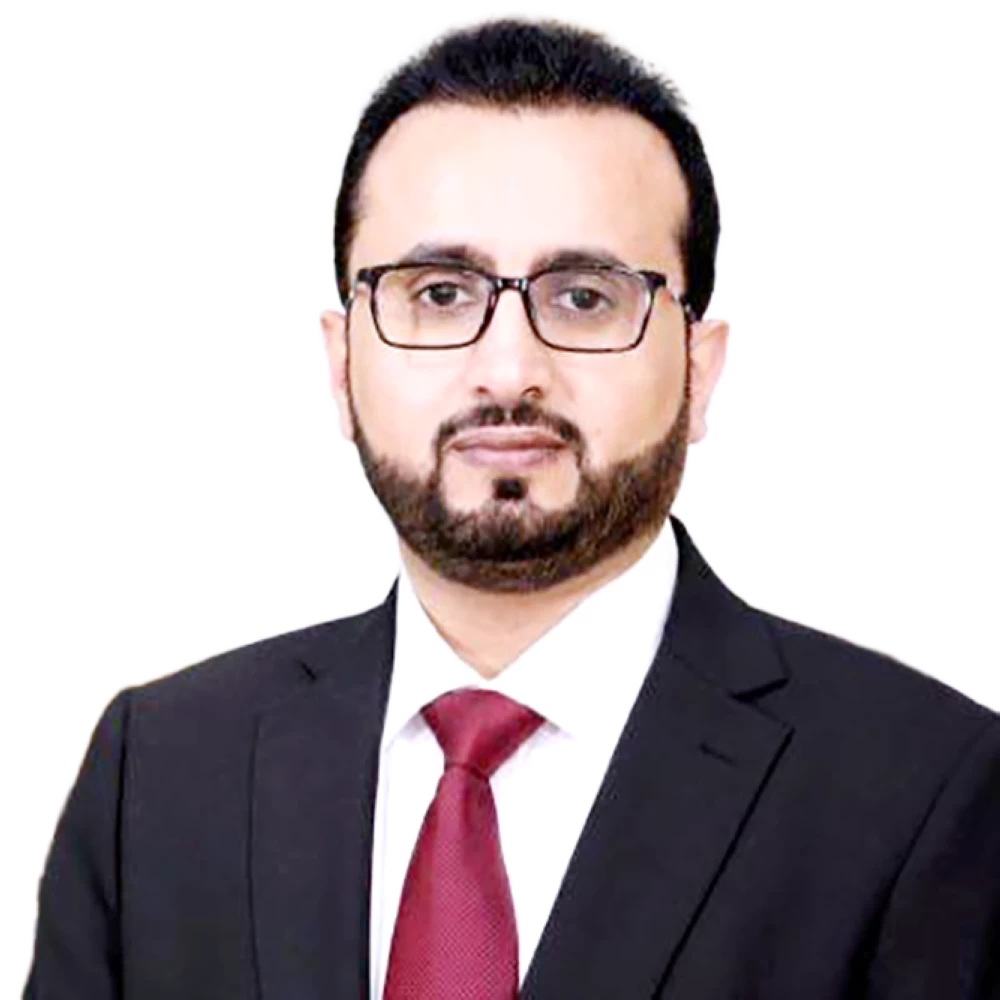
The Yemeni Minister of Civil Service told the Saudi newspaper Okaz in a recent interview that Saudi support for Yemen remains a cornerstone for the country’s stability and institutional reform. The minister emphasized that assistance from Saudi Arabia helps sustain basic services and underpins efforts to rebuild government capacity. The comments come amid ongoing international efforts to stabilize Yemen and support public administration reform.
Who said it and where the statement appeared
The remarks were made in an interview published by Okaz, a Saudi daily, where the minister outlined priorities for restoring effective governance. According to the ministry, the conversation focused on cooperation between Yemen and regional partners. The minister described Saudi aid as essential to both immediate humanitarian needs and longer-term reconstruction of state institutions.
How Saudi support for Yemen is being framed
Officials described Saudi support for Yemen as more than humanitarian relief, highlighting its role in institutional reform. The ministry pointed to funding, technical assistance, and training programs that aim to rebuild human resources and procedural systems in government offices. Furthermore, the minister suggested that such cooperation reinforces confidence among donors and creates a platform for public administration reform.
Key areas of impact: public services and governance
The minister identified several areas where Saudi backing has had a visible impact, including payroll stabilization, civil service training, and administrative restructuring. These measures are intended to restore core government functions, according to ministry statements. In addition, officials said that efforts to standardize procedures and improve transparency are underway to strengthen institutional resilience.
Why institutional reform matters for Yemeni stability
Analysts note that institutional reform goes beyond bureaucracy; it affects security, economic recovery, and service delivery. Improved civil service systems can lead to more predictable salaries, better public services, and greater trust in government. Therefore, initiatives supporting institutional reform are closely tied to broader objectives for Yemeni stability and recovery.
Coordination with international partners and aid coordination
The ministry indicated that Saudi efforts are coordinated with international donors and UN agencies to maximize impact. Aid coordination seeks to avoid duplication and align technical assistance with Yemen’s reform priorities. Meanwhile, officials said capacity-building projects often rely on joint planning and monitoring frameworks to measure progress.
Challenges and constraints facing reform efforts
Despite reported gains, the minister acknowledged persistent challenges, including fragmented governance, security risks, and funding volatility. These constraints complicate implementation of large-scale reforms and slow progress on institutional consolidation. In response, the ministry suggested phased approaches and targeted interventions to mitigate risks while maintaining momentum.
Domestic reforms and public administration priorities
The minister outlined priorities such as updating civil service regulations, strengthening human resources management, and digitizing records to improve efficiency. These public administration reform efforts are aimed at creating a merit-based system and reducing administrative bottlenecks. According to ministry sources, pilot projects are being used to test reforms before wider application.
Regional context and political implications
Saudi involvement in Yemen takes place against a complex regional backdrop where stability in Yemen affects neighboring security and trade. The minister framed Saudi support as a stabilizing influence that helps prevent further regional spillover. Observers say that consistent external backing can provide the diplomatic breathing room needed for domestic political negotiations and reconciliation efforts.
What stakeholders should watch next
Going forward, stakeholders will monitor the pace of institutional reforms and the sustainability of external support. Key indicators include progress on civil service registration, the rollout of training programs, and the establishment of transparent payroll systems. Donors and Yemeni officials are expected to publish updates on coordinated projects in the coming months, according to ministry statements.
Conclusion and next steps
In summary, the minister’s remarks to Okaz framed Saudi support for Yemen as a foundational element for stability and institutional reform. The ministry emphasized continued cooperation, targeted public administration initiatives, and coordinated aid efforts as pathways to rebuild state capacity. Readers should watch for announcements on specific pilot programs and donor coordination meetings, which are likely to set the timeline for the next phase of reforms.