






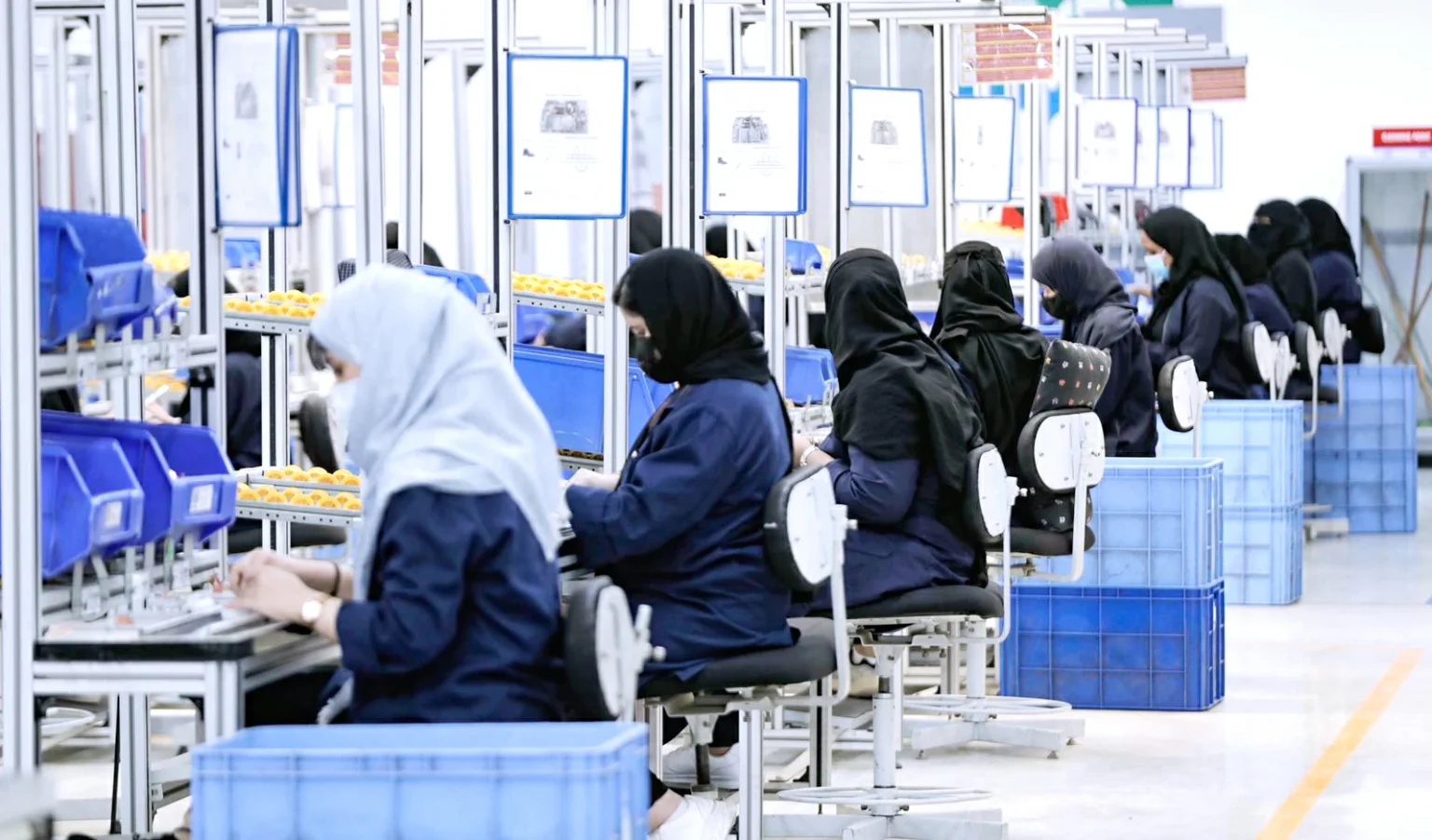

Saudi women’s empowerment reported as tangible under Vision 2030
Saudi women’s empowerment has translated into concrete gains on the ground, women told the Okaz newspaper in recent interviews, reflecting changes across workplaces and public life in Saudi Arabia. The accounts, surfaced this week in Riyadh, describe expanded opportunities in business, government, and cultural sectors under Vision 2030 initiatives. Meanwhile, officials and analysts point to policy reforms and economic plans that support these shifts.
Policy changes and the role of Vision 2030 in empowerment
Vision 2030 has set the framework for structural reforms aimed at modernizing the economy and society, and the program has been credited with enabling new roles for women. According to government statements and Vision 2030 planning documents, measures to diversify the economy and open new sectors have created demand for talent that includes women.
Furthermore, the plan emphasizes entrepreneurship, tourism, and the private sector as engines of growth, which officials say have formed pathways for women’s participation. The initiative has also promoted regulatory changes designed to ease business formation and professional licensing, thereby helping women entrepreneurs enter formerly restricted markets.
Economic and social reforms driving change
Economic diversification and social reforms under Vision 2030 are interconnected, and together they have reshaped incentives for employment and public engagement. For instance, adjustments to labor regulations, support for small and medium enterprises, and investments in education and training are cited as factors improving access to careers for women.
Additionally, cultural policies that encourage broader participation in sports, entertainment, and public events have opened visible platforms for women. The ministry and allied agencies have highlighted programs that aim to increase female employment in targeted sectors, indicating an administrative commitment to sustaining the momentum.
Impacts on women’s workforce participation and public life
Multiple women who spoke to Okaz described increased opportunities in both traditional and non-traditional professions, noting that employers in professional services, tech, hospitality, and retail are recruiting more female staff. The reports suggest that women’s workforce participation is rising alongside a broader shift in employer attitudes and business models.
In addition, public life visibility has grown as women assume roles in municipal councils, cultural institutions, and community initiatives. Observers say that these developments reflect both legal enablers and gradual social acceptance, though implementation varies by region and sector.
Challenges and remaining gaps
However, the progress is not uniform. Officials and activists acknowledge persistent challenges including workplace culture, unequal access to certain leadership positions, and practical hurdles such as childcare and transport. The report indicates that some women still face administrative and social barriers that slow full participation.
Therefore, while Vision 2030 policies provide a framework, advocates say sustained enforcement, targeted support programs, and continued private sector engagement are necessary to address outstanding gaps and ensure long-term gains.
Voices from women and official perspectives
Women interviewed by Okaz described personal stories of career advancement, new business ventures, and public recognition that they attribute to reforms under Vision 2030. Several cited training programs and mentorship opportunities as critical enablers, while others pointed to relaxed regulatory constraints as opening new professional paths.
Officials have reiterated that the reforms are part of a strategic plan to raise female labor participation and harness domestic talent for economic diversification. Government press releases and planning documents suggest that the authorities are monitoring indicators such as employment rates, entrepreneurship registrations, and sectoral workforce composition to measure impact.
Regional and sectoral variation in outcomes
Outcomes differ by region and industry, with urban centers often showing faster shifts in employment patterns and public visibility. Sectors tied to tourism, entertainment, and professional services have been highlighted for more rapid inclusion of women, while traditional industries may lag behind.
Moreover, analysts caution that national averages can mask local disparities, and that targeted policies are required to ensure equitable access across provinces and socio-economic groups. Accordingly, some ministries are exploring region-specific initiatives to address localized barriers.
What to watch next and the path to 2030
Looking ahead, stakeholders plan to watch official metrics and policy updates as the Kingdom moves toward its 2030 goals. Readers should watch for periodic government reports on labor participation, measures of women’s workforce participation, and announcements of new programs aimed at closing remaining gaps.
Furthermore, upcoming reviews of Vision 2030 milestones, scheduled evaluations by relevant ministries, and private-sector hiring trends will indicate whether current gains are sustainable. The next expected steps include continued monitoring by authorities and potential adjustments to training and support programs through the remainder of the decade.