






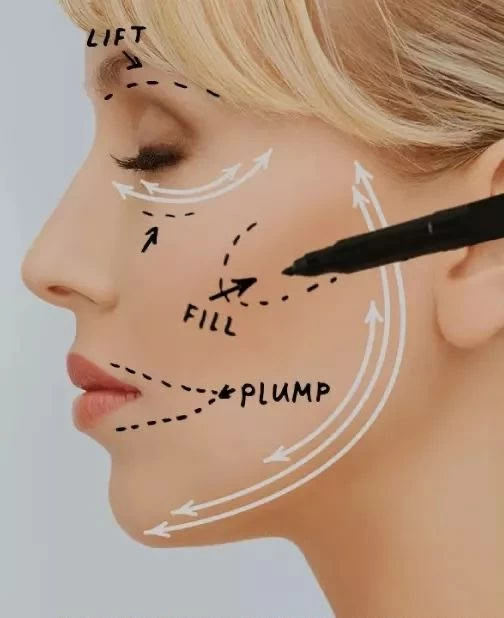

Autologous fat transfer: a growing cosmetic option
Autologous fat transfer is gaining attention as a cosmetic procedure that uses a patient’s own fat to enhance facial and body features. In recent months clinics in major cities have reported increased inquiries, according to practitioners, as patients seek natural-looking results with fewer synthetic fillers. The procedure involves harvesting fat from one area and injecting it into another to restore volume and contour.
Who chooses the procedure and where it is offered are central to current coverage. Typically adults seeking facial rejuvenation or subtle body contouring pursue autologous fat transfer at accredited plastic surgery clinics and medical centers. Surgeons said the technique is offered year-round and is commonly combined with other procedures depending on patient goals.
How autologous fat transfer works and expected outcomes
Autologous fat transfer begins with liposuction to collect fat cells from areas such as the abdomen, thighs, or flanks. Next, the harvested tissue is processed and purified before careful reinjection into target sites to achieve desired contours. Surgeons emphasize that technique, handling and placement affect graft survival and overall results.
Patients typically see immediate volume improvement and further refinement as swelling subsides over weeks to months. The goal is natural-looking results, with many physicians noting that retained fat integrates with native tissues to provide softer, longer-lasting augmentation than some temporary fillers. According to clinical summaries, a portion of transferred fat may be reabsorbed, and touch-up procedures are sometimes advised.
Benefits and limitations of fat grafting
Proponents highlight that using autologous tissue reduces the risk of allergic reaction and foreign-body complications compared to synthetic implants or injectables. Furthermore, the procedure can address two concerns at once by removing fat from one area while augmenting another. Meanwhile, patients appreciate the subtlety of outcomes and the ability to achieve facial rejuvenation without introducing nonbiologic materials.
However, limitations remain. Fat grafting outcomes can be variable depending on patient factors such as smoking status, metabolic health, and the quality of donor fat. The procedure also requires an initial recovery period and may necessitate staged sessions to reach final volume. Surgeons and patients must weigh these considerations during preoperative planning.
Safety, techniques and clinical guidance
Clinical guidance emphasizes sterile technique, careful fat processing and conservative injection volumes to maximize graft take and minimize complications. According to surgical societies and experienced clinicians, proper patient selection and realistic expectations are essential. Facilities offering the procedure should be accredited and provide clear preoperative counseling and postoperative follow-up.
Common side effects include bruising, swelling and temporary numbness at donor and recipient sites. More serious complications are uncommon but can include infection or contour irregularities, which clinicians say are reduced when performed by board-certified plastic surgeons. People considering the procedure are advised to consult credentialed practitioners and review before-and-after outcomes.
Applications: facial rejuvenation and body contouring
Autologous fat transfer is used for a range of applications from cheek and lip augmentation to tear trough correction and jawline contouring. In facial rejuvenation, practitioners use fat grafting to restore age-related volume loss and improve skin texture, often in combination with skin resurfacing or minimally invasive lifts. The combination approach can produce a more harmonious, refreshed appearance.
Beyond the face, fat grafting treats defects, scars and areas needing soft-tissue padding, while also serving as a contouring tool for the breast or buttocks in select cases. The technique is versatile, but clinicians stress that indications and expected durability vary by site and individual patient anatomy.
Secondary keywords and related techniques
Terms such as fat grafting and fat transfer are often used interchangeably with autologous fat transfer in medical literature and patient materials. Related approaches include microfat and nanofat injections, which involve different processing levels to target volume or skin quality. These options give surgeons flexibility to pursue natural-looking results tailored to patient needs.
Cost, recovery and patient considerations
Cost can vary widely depending on geographic location, practitioner experience and the scope of the procedure. Patients should request a detailed estimate and verify what preoperative testing, anesthesia and follow-up care are included. Many clinics provide patient education resources that outline expected recovery timelines and postoperative restrictions.
Recovery typically involves several days to a few weeks of swelling and activity modification, with most patients returning to normal routines within two weeks. Longer-term follow-up helps monitor graft retention and identify any need for revision. Lifestyle factors such as smoking cessation and stable weight are recommended to support optimal graft survival.
What experts recommend and what to watch next
Experts recommend that prospective patients research board certification, view documented case histories and ask about techniques for harvesting and processing fat. According to practitioners, transparent communication about goals and realistic outcomes is crucial for satisfaction. Patients are also encouraged to review recovery expectations and postoperative care instructions before consenting to surgery.
Looking forward, developments in graft processing and adjunctive therapies are under observation in clinical reports and academic meetings. Interested readers should watch for published outcome studies and consensus statements from reputable surgical organizations over the coming year. These updates will clarify long-term durability and refine best practices.
Conclusion: choosing autologous fat transfer responsibly
Autologous fat transfer offers a biologic approach to enhance facial and body features with the promise of natural-looking results when performed by experienced clinicians. Therefore, careful patient selection, accredited facilities and clear communication are central to favorable outcomes. For those considering the procedure, the next step is a consultation to establish goals and a tailored treatment plan, and patients should monitor forthcoming peer-reviewed studies and professional guidance for evolving standards.