



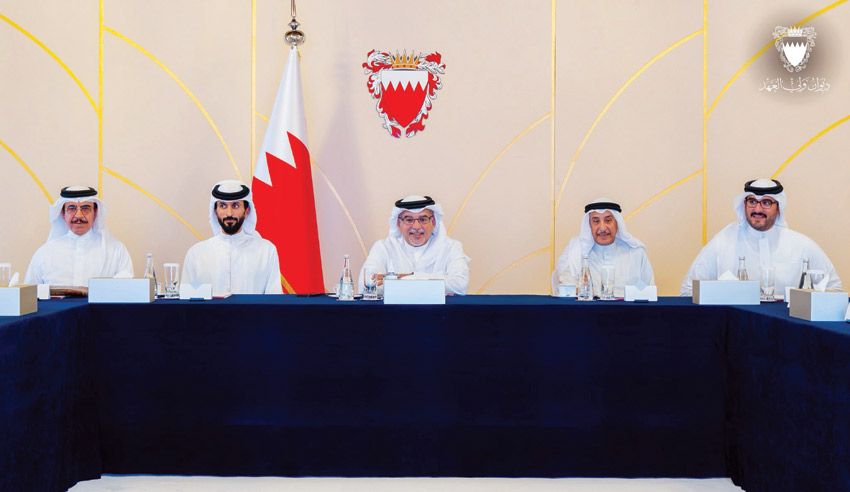

Energy efficiency in Bahrain: Crown Prince chairs Supreme Committee meeting
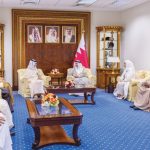
Yesterday, Crown Prince Salman bin Hamad Al Khalifa, Prime Minister of the Kingdom of Bahrain, chaired the 35th meeting of the Supreme Committee for Energy and Natural Resources in Manama. The committee reviewed measures to strengthen energy efficiency in Bahrain, focusing on sustainability, better resource use and alignment with national development objectives, government officials said.
The meeting brought together senior ministers and technical advisors to assess current policies and identify practical actions to support the kingdom’s medium- and long-term goals. According to the committee, the session emphasized coordination across ministries and agencies to accelerate implementation of agreed measures.
Committee review and strategic priorities
During the proceedings, the committee examined a range of policy options and operational steps designed to reduce waste and improve system performance. Officials said the discussion covered demand-side management, updates to efficiency standards, and incentives aimed at both public and private sectors.
Furthermore, the committee reviewed cross-sector plans to enhance the management of natural resources while maintaining energy security. The deliberations included technical briefings and scenario analysis provided by sector specialists, according to a government statement.
Key outcomes on energy efficiency in Bahrain
The committee highlighted priority actions intended to deliver measurable improvements in energy intensity across government facilities and major industrial consumers. These priorities include rolling out targeted energy audits, strengthening building codes, and promoting efficient appliances and lighting, officials indicated.
Additionally, members discussed pathways to scale up renewable energy deployment and integrate efficiency measures with plans for electricity grid modernization. Therefore, the committee framed efficiency as a near-term cost-effective approach that complements investments in renewable energy and infrastructure resilience.
Policy instruments and implementation mechanisms
Participants considered a mix of regulatory, fiscal and market-based instruments to achieve the committee’s goals. Proposals discussed included tighter minimum performance standards, revised procurement rules for public projects, and performance-based incentives for utilities and large customers.
Meanwhile, the committee emphasized the need for improved data collection and monitoring systems to track progress. Officials said establishing clear baselines and transparent reporting would be essential for assessing the effectiveness of reforms and for guiding future decisions.
Coordination with private sector and investors
The committee recognized the role of private sector investment in scaling energy efficiency and related projects across the economy. Therefore, discussions touched on ways to de-risk projects, align financing mechanisms and streamline permitting to attract both domestic and foreign capital.
In particular, officials noted that deploying energy service companies, encouraging public-private partnerships, and expanding green financing could accelerate practical upgrades in buildings and industry.
Implications for sustainable development and natural resources
Improving energy efficiency in Bahrain is positioned as a central pillar of the kingdom’s broader sustainable development agenda. The committee connected efficiency gains to reduced emissions, lower energy costs for consumers, and more sustainable management of natural resources, according to the official summary.
Furthermore, the committee’s approach aligns with regional trends toward decarbonization and energy diversification. In this context, efficiency measures are seen as immediate, economically attractive steps that support longer-term transitions to low-carbon energy systems.
Capacity building, research and international cooperation
Members flagged the importance of strengthening institutional capacity and technical skills to deliver the planned measures. Therefore, the committee discussed increased investment in training programs, research partnerships and knowledge exchange with international organizations.
Officials also indicated an interest in learning from best practices abroad and exploring cooperative arrangements that could support pilot projects and technology transfer in areas such as smart metering and demand response.
Monitoring progress and accountability
To ensure accountability, the committee recommended establishing clear targets, timelines and reporting protocols for each initiative under its remit. The statement suggested regular progress reviews and public reporting to maintain momentum and enable stakeholder input.
Moreover, officials said integrating monitoring frameworks across ministries would improve policy coherence and allow for timely adjustments based on observed performance and changing circumstances.
Next steps and what to watch
Following the meeting, the Supreme Committee will task relevant ministries and agencies with translating the agreed priorities into detailed implementation plans. Observers should watch for forthcoming policy announcements, draft regulations, and pilot programs that indicate near-term action.
Meanwhile, stakeholders can expect updates on timelines for energy audits, revised building codes, and potential incentive schemes. Overall, the committee’s focus on energy efficiency in Bahrain sets the stage for coordinated measures aimed at both economic and environmental objectives.
Forward-looking conclusion
The 35th session of the Supreme Committee for Energy and Natural Resources reaffirmed a pragmatic emphasis on energy efficiency in Bahrain as a cost-effective contributor to sustainable development. Officials said the next expected steps include ministry-level plans and initial pilot projects over the coming months, with ongoing reviews to track progress and refine policy tools.
Therefore, industry participants, investors and citizens should watch for specific implementation schedules and opportunities for collaboration as Bahrain advances its efficiency and resource management agenda.