






Civil Society Organizations Engage with Ministry on New Procedural Manual
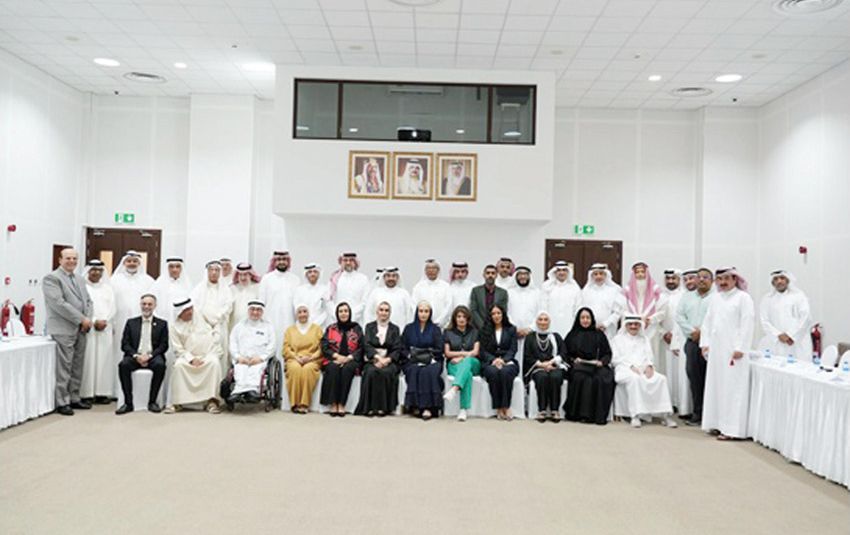
Officials from the Ministry of Social Development recently met with representatives of civil society organizations to review the first draft of a procedural manual aimed at improving nonprofit operations. The meeting, held at the Mubarak Jassim Kanoo Social and Comprehensive Center and organized in partnership with the Bahraini Dialogue Foundation, brought together active sector players to discuss institutional performance and community partnership goals.
Undersecretary Ziad Adel Darwish led the session alongside ministry staff, signaling the ministry’s ongoing effort to consult the sector. Participants reviewed draft sections designed to strengthen governance, transparency and program quality across civil society organizations.
Meeting Overview and Key Participants
The consultative meeting formed part of a broader series of dialogue sessions the Ministry of Social Development is conducting with the nonprofit sector. Representatives from local charities, volunteer groups and advocacy organizations attended, together with technical advisers from the Bahraini Dialogue Foundation.
The agenda focused on the ministry’s proposed procedural manual, which aims to standardize operational practices, clarify reporting requirements and offer guidance on strategic planning. Officials said the manual is intended to support organizational development while respecting the diversity of mandates across civil society organizations.
Objectives: Strengthening Governance, Transparency and Capacity
The ministry emphasized that the manual will promote nonprofit governance and institutional effectiveness. According to officials, raising governance and transparency standards will help organizations access funding, demonstrate impact and build public trust.
Participants discussed practical measures, including clearer role definitions for boards, risk management practices and standard operating procedures for program delivery. Additionally, the draft addresses monitoring and evaluation frameworks to improve the quality of initiatives that serve vulnerable communities.
How the Consultation Process Works
The ministry characterized the meeting as a platform for constructive exchange and said it will expand participation to a wider range of civil society organizations in coming sessions. Officials noted that feedback collected from current participants will be consolidated and reflected in subsequent versions of the draft manual.
Stakeholders were invited to submit written comments and proposals, and the ministry indicated that follow-up workshops may be scheduled to address technical sections such as financial controls and compliance. This staged approach is intended to ensure the manual is practical and aligned with sector needs.
Sector Reaction and Emphasis on Community Partnership
Representatives of civil society organizations welcomed the ministry’s consultative tone and said regular dialogue strengthens communication channels. They praised the participatory approach and urged that final guidance remain flexible enough to accommodate small grassroots groups as well as larger NGOs.
Several attendees highlighted the importance of community partnership in implementing development programs, noting that collaboration between government and civil society can enhance service delivery across education, health and social welfare. The ministry’s involvement, they said, signals a commitment to integrated service models.
Implications for Nonprofit Governance and Service Delivery
Observers say the procedural manual could have several practical implications for the sector. Standardized procedures are likely to improve donor confidence and make it easier for organizations to demonstrate compliance with sector norms.
Furthermore, clearer institutional policies may help small organizations professionalize operations, attract skilled staff and scale successful initiatives. Meanwhile, the emphasis on transparency and accountability is expected to support better sector-wide coordination and resource allocation.
Next Steps and What to Watch
The ministry stated that the draft manual will be revised based on stakeholder input and circulated for broader consultation in the coming months. Officials encouraged civil society organizations to engage actively during the revision phase and to monitor announcements from the Ministry of Social Development for workshop dates and submission deadlines.
Readers should watch for publication of the revised draft and for scheduled capacity-building sessions that may follow. These next steps will be important indicators of how quickly the manual moves from draft status to implementation and how effectively it addresses nonprofit governance concerns.
Conclusion: A Collaborative Path Forward
The consultative meeting underscores a continued commitment to partnership between government and the nonprofit sector. By involving civil society organizations in drafting operational guidance, the Ministry of Social Development aims to build a practical framework that enhances institutional performance, accountability and community impact.
Stakeholders can expect iterative consultations and technical support as the process advances. The coming months will reveal how feedback is incorporated and when final guidelines will be released for sector-wide adoption.