






Quick Answer
The best cities for luxury property investment in the Gulf are Dubai, Abu Dhabi, Doha, Manama (Bahrain), Muscat and key Saudi and Kuwaiti coastal hubs. Each market offers distinct advantages—global transit hubs and tourism in Dubai and Doha, sovereign wealth support and cultural capital in Abu Dhabi, low taxes in Bahrain, and growing ultra-luxury demand in Muscat and parts of Saudi Arabia. Investors should compare ownership rules, resale liquidity, rental demand and long-term development pipelines before committing.
Introduction
When people ask about the Best Cities for Luxury Property Investment in the Gulf, they mean places that combine strong demand, international access, high-quality amenities, and legal clarity for buyers. The Gulf’s luxury real estate markets have matured: waterfront villas, branded hotel residences, and skyline penthouses now compete for global capital.
Choosing the right Gulf city depends on your goals—capital appreciation, steady rental income, residency options, or a lifestyle bolthole. Below is a practical, street-level guide that compares the top Gulf cities, highlights neighborhood picks, and gives travel and investment advice you can use before you inspect properties or sign contracts.
Key Takeaways
- Dubai and Abu Dhabi lead for liquidity, tourism and branded luxury developments.
- Doha offers a strong high-end rental market tied to business and events; Bahrain is attractive for low-cost entry and ease of banking.
- Muscat and select Saudi coastal cities are emerging for luxury villas and resort-style investment as tourism infrastructure expands.
- Research foreign ownership laws, freehold zones, rental yield data and developer track records in each city.
- Visit in person, work with licensed local agents, and arrange property management if you won’t live on-site.
Why invest in luxury property in the Gulf?
Gulf cities combine wealthy domestic demand, strong inbound business and leisure travel, and continued state investment in tourism and transport. Luxury real estate—beachfront villas, branded residences and iconic towers—benefits from international buyers seeking stable assets and lifestyle advantages.
Many Gulf governments have introduced investor-friendly measures such as long-term residency visas, giga-projects, and expanded freehold areas. That said, legal frameworks and market cycles differ widely between cities, so local knowledge matters.
Top Gulf Cities for Luxury Property Investment
Dubai, United Arab Emirates
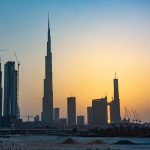
Why it stands out: Dubai remains the regional capital for luxury real estate, with iconic districts (Palm Jumeirah, Dubai Marina, Downtown) and a vast supply of branded residences from international hotel chains.
Investment highlights: High international tourism, year-round events, and strong secondary-market liquidity. Dubai International Airport (DXB) is a major global hub, supporting rental demand from short-stay tenants and executives.
What to check: Freehold vs leasehold zones, developer reputation, and holiday-rental regulations which can change—confirm with Dubai Land Department and licensed agents.
Abu Dhabi, United Arab Emirates
Why it stands out: Abu Dhabi offers a more conservative luxury market with strong sovereign-backed development, cultural attractions (Louvre Abu Dhabi), and large island projects such as Saadiyat and Yas.
Investment highlights: Family-oriented luxury villas and high-end waterfront apartments with long-term government-driven infrastructure projects. Proximity to Abu Dhabi International Airport (AUH) and growing corporate base supports steady demand.
What to check: Long-term master plans for island developments and residency-related property programs.
Doha, Qatar
Why it stands out: Doha’s luxury market benefits from high per-capita income, corporate relocations and premium hospitality stock. Hamad International Airport (DOH) connects Doha globally and supports business travel.
Investment highlights: Luxury towers and waterfront developments along the Corniche and The Pearl offer strong short- and mid-term rental opportunities for executives and families.
What to check: Event-driven demand spikes and the regulatory environment for foreign buyers—confirm ownership rules and registration processes before purchase.
Manama, Bahrain
Why it stands out: Bahrain is often pitched as a lower-cost entry point into Gulf luxury real estate, with an established banking sector and comparatively relaxed residency rules.
Investment highlights: High-net-worth expat communities and good connectivity via Bahrain International Airport (BAH) make Manama attractive for investors seeking yield with lower upfront capital.
What to check: Market depth and resale liquidity—smaller markets can see wider price swings, so factor that into exit planning.
Muscat, Oman
Why it stands out: Muscat focuses on resort-style luxury and natural beauty—beachfront villas and boutique hotels appeal to buyers seeking tranquility and cultural authenticity.
Investment highlights: Growing high-end tourism and new luxury resorts can support capital appreciation over the medium term. Muscat International Airport (MCT) handles regional connections and seasonal tourism peaks.
What to check: Oman’s foreign ownership zones and leasing structures vary—verify title and land-use rules with local authorities.
Kuwait City and Eastern Province (Kuwait and Saudi Arabia)
Why it stands out: Kuwait City and coastal Saudi hubs (e.g., Al Khobar, Dammam) have pockets of high-net-worth residential demand, while Saudi giga-projects on the Red Sea and NEOM create future luxury opportunities.
Investment highlights: Local high-income tenants and government-backed projects can drive luxury demand. Airports like Kuwait International (KWI) and King Fahd International (DMM) provide regional access.
What to check: Saudi property market reforms are evolving; research freehold availability and long-term residency options before planning purchases.
Comparative Snapshot
| City | Major Airport | Luxury Strength | Ownership Notes |
|---|---|---|---|
| Dubai | DXB | Branded residences, beachfront villas, high liquidity | Clear freehold zones; holiday-rental rules apply |
| Abu Dhabi | AUH | Sovereign-backed projects, family villas | Structured masterplans; check island title rules |
| Doha | DOH | High incomes, event-driven demand | Confirm foreign ownership and registration |
| Manama | BAH | Banking hub, lower-cost entry | Smaller market depth; good for diversification |
| Muscat | MCT | Resort villas, boutique luxury | Zones for foreign investors vary—check local law |
Practical Investing Tips and Mistakes to Avoid
- Do due diligence: verify title, developer track record, and completion timelines through licensed registries and independent lawyers.
- Visit before you buy: inspect the neighborhood, sample local rental demand, and meet property managers.
- Avoid overpaying for stamp value: compare recent transactions in the same building or neighborhood rather than relying on marketing prices.
- Plan for currency and tax implications: consult a tax advisor familiar with your home country and the Gulf jurisdictions involved.
- Think exit strategy: smaller Gulf markets can be illiquid during downturns—ensure you can rent or sell if needed.
Best Tips for Planning Your Trip
Schedule site visits around weekdays and weekends to see the area’s rhythm: weekday business traffic, weekend leisure activity. Book meetings with at least two licensed brokers and ask for recent comparable sales and rental records.
Fly into the main international airport for each city (DXB, AUH, DOH, BAH, MCT) to simplify logistics. Arrange property viewings with a clear itinerary and allow time to meet legal counsel and to visit multiple developments in a single day.
Carry digital and certified copies of ID, proof of funds and any pre-approval letters. Purchase travel insurance and check local entry requirements and visa rules with official government websites prior to travel.
Who is this best for?
Best Cities for Luxury Property Investment in the Gulf suit high-net-worth buyers seeking lifestyle assets, diversified real-estate exposure, or residency-linked investments. They are also suitable for family buyers looking for holiday homes that can be rented out or for investors targeting capital appreciation from major urban projects.
Less suitable for first-time investors who cannot conduct in-person due diligence or who need quick resale—smaller Gulf markets can require a longer holding period to realize gains.
Is it worth it?
It can be worth it if you combine realistic expectations with strong local advice: luxury Gulf properties can deliver prestige, rental income and capital appreciation, but they require careful legal checks and active management. Success depends on choosing the right city, neighborhood and developer and on planning for tax, currency and exit scenarios.
Conclusion
Choosing the Best Cities for Luxury Property Investment in the Gulf means balancing global connectivity, local demand, legal clarity and lifestyle appeal. Dubai and Abu Dhabi lead for scale and liquidity, Doha and Manama offer compelling high-net-worth niches, and Muscat plus emerging Saudi coastal projects present long-term resort possibilities.
Do the groundwork: visit, compare, use licensed advisors, and plan for property management and taxes. With careful research and realistic timelines, Gulf luxury real estate can be a valuable part of an international property portfolio.
Frequently Asked Questions
Which Gulf city offers the best resale liquidity for luxury property?
Direct answer: Dubai generally offers the best resale liquidity among Gulf cities. Explanation: Dubai’s large expatriate population, international tourism and active secondary market make it easier to resell than smaller Gulf markets, though liquidity varies by neighborhood and building.
Can foreigners own property in these Gulf cities?
Direct answer: Yes, but ownership rules differ by country and zone. Explanation: Several Gulf jurisdictions allow freehold ownership in designated districts, while others permit long-term leases or restricted ownership—confirm specific rules with local land registries and legal counsel.
Do luxury properties in the Gulf generate reliable rental income?
Direct answer: Many do, especially in Dubai, Abu Dhabi and Doha, but returns vary. Explanation: High tourism and corporate demand support short- and mid-term rentals in major hubs; smaller markets may produce steadier but lower yields and can be more seasonal.
Should I use a local developer or an independent resale purchase?
Direct answer: Both options are viable; due diligence is essential. Explanation: Off-plan purchases with reputable developers offer new inventory and payment plans, while resale properties allow immediate income—always verify developer performance and building maintenance history.
How important is residency or visa policy to property investors?
Direct answer: Very important for many buyers seeking longer stays or family relocation. Explanation: Some Gulf countries link property investment to residency permits; however, rules and thresholds change, so check official immigration resources before making decisions.
What are common mistakes first-time buyers make in Gulf luxury markets?
Direct answer: Skipping local legal advice and over-relying on marketing are common mistakes. Explanation: Buyers sometimes neglect title verification, developer history, and realistic rental projections—work with licensed lawyers and agents to avoid these pitfalls.
Do I need a local property manager if I don’t live in the Gulf year-round?
Direct answer: Yes, a local property manager is strongly recommended. Explanation: Property managers handle tenant vetting, maintenance and utility arrangements; they protect rental income and the value of a luxury asset when you’re remote.
How should I time my property inspection trip to the Gulf?
Direct answer: Visit during both peak and off-peak periods if possible. Explanation: Seeing a city during a busy month and a quieter period gives a full picture of rental demand, traffic, and amenities—book enough time to meet developers, agents and legal advisors.