






Bahrain–United States relations affirmed at Al-Riffa Palace meeting
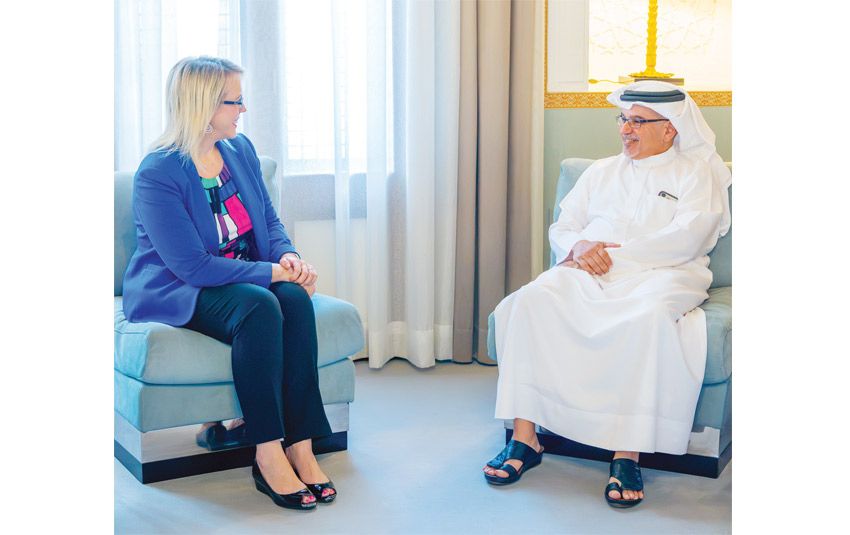
The Crown Prince and Prime Minister of Bahrain, Salman bin Hamad Al Khalifa, met yesterday at Al-Riffa Palace with United States Ambassador Stephanie L. Hallett in a session that officials said reaffirmed Bahrain–United States relations. The meeting, attended by senior ministers and aides, reviewed bilateral cooperation, regional security developments, and shared commitments under existing strategic agreements.
The encounter took place in Manama and brought together Sheikh Isa bin Salman bin Hamad Al Khalifa, Minister of the Prime Minister’s Court, and Sheikh Salman bin Khalifa Al Khalifa, Minister of Finance and National Economy, according to state reporting. Officials described the discussions as constructive and focused on deepening ties across security, economic and diplomatic channels.
Bahrain–United States relations: strategic context
The Crown Prince underscored the long-standing and close partnership between Bahrain and the United States, noting progress across multiple fields, according to statements released by the government. This meeting comes amid ongoing diplomatic engagement aimed at reinforcing the comprehensive security and prosperity framework that both countries have developed over decades.
Analysts say Bahrain–United States relations have been anchored by defense cooperation, port access arrangements and sustained diplomatic dialogue. Furthermore, officials have pointed to shared strategic interests in supporting trade, investment and ensuring maritime security in the Gulf, which enhances regional stability.
Security cooperation and regional developments
Security cooperation was a central topic during the talks, with participants reviewing recent regional developments and measures to deter destabilizing activity. The Crown Prince emphasized the role of the United States alongside friendly and allied states in consolidating security and stability across the region, state media reported.
Both sides discussed the recent rise in tensions across the Gulf and the Levant and the reported Iranian attacks that have affected regional security dynamics. Diplomats and government officials highlighted the importance of coordinated responses, intelligence sharing and collaborative contingency planning to protect critical infrastructure and maritime lanes.
Economic ties, agreements and shared initiatives
Economic issues and existing bilateral agreements also featured prominently. The meeting referenced the comprehensive integration accord on security and prosperity that underpins economic cooperation, according to officials. This arrangement aims to facilitate trade, investment flows, and coordination on financial stability measures.
Additionally, participants reviewed opportunities to expand private-sector engagement, enhance fiscal cooperation and support economic diversification in Bahrain. Finance officials present at the meeting noted ongoing work to attract foreign investment and to strengthen public-private partnerships that align with national development plans.
Implications for regional stability and diplomacy
Observers say the meeting signals a continued commitment to a predictable Bahrain–United States relations trajectory, particularly in an environment of heightened regional tensions. Maintaining strong ties with Washington is viewed by Bahrain’s leadership as essential to deterrence and to bolstering collective security architectures in the Gulf.
Furthermore, the discussions reflected shared concern about external actors whose actions threaten regional security. Officials emphasized diplomacy as the preferred tool to manage disputes and underscored the role of multilateral engagement in preventing escalation and preserving open trade routes.
Operational and diplomatic follow-up
Officials indicated that working-level consultations and interagency coordination will continue in the coming weeks to translate the leaders’ commitments into practical measures. This could include enhanced naval cooperation, joint exercises, and expanded diplomatic engagement on regional hotspots.
What to watch next
Expect continued high-level exchanges and technical consultations between Bahrain and the United States as both sides seek to operationalize the outcomes of the palace meeting. Watch for announcements on joint security exercises, economic memoranda of understanding, or ministerial visits that would underscore the strategic partnership.
Additionally, developments related to regional incidents and any multilateral initiatives addressing maritime security will be important indicators of how Bahrain and the United States coordinate responses to shared threats. Policymakers and investors will likely monitor these indicators when assessing risk and opportunity across the region.
Conclusion and forward outlook
The Al-Riffa Palace meeting reaffirmed Bahrain’s close ties with Washington and emphasized continuity in Bahrain–United States relations, according to official statements. Moving forward, officials said they will continue to pursue enhanced security cooperation and deepen economic links to support mutual interests and regional stability.
Readers should watch for scheduled follow-up meetings and formal announcements from both capitals in the coming weeks, which will clarify specific initiatives and timelines for implementing the commitments discussed at the meeting. The outcome will be an important barometer for the trajectory of the strategic partnership and regional security cooperation.