





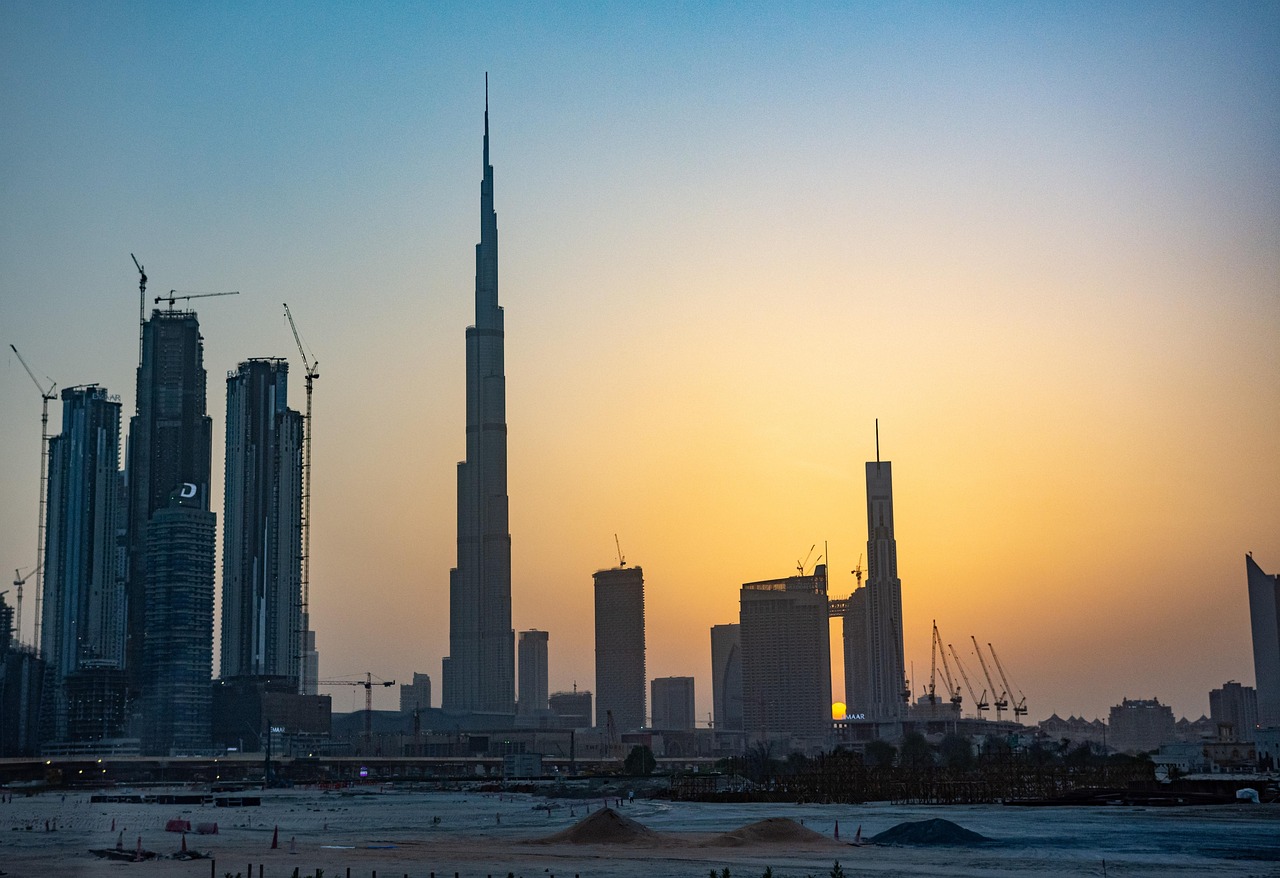

The Best Cities for Property Investment in UAE and Saudi Arabia are concentrated where economic growth, infrastructure projects, and tourism intersect. In the UAE, Dubai and Abu Dhabi remain the primary magnets for investors because of established rental markets, international connectivity, and diversified economies. In Saudi Arabia, Riyadh and Jeddah are strongest for long-term residential and commercial demand, while emerging projects along the Red Sea and NEOM offer speculative upside tied to Vision 2030.
Choosing where to buy property should match your investment goal—short-term rental yield, capital appreciation, or a residency-linked purchase. This guide highlights the top cities for property investment in UAE and Saudi Arabia, explains why they matter, and gives practical tips for property viewings, legal checks, and travel planning when you go to see units in person.
Quick Answer
Top picks: Dubai and Abu Dhabi in the UAE for liquidity and established rental markets; Sharjah and Ras Al Khaimah for affordable entry and tourism potential; Riyadh and Jeddah in Saudi Arabia for corporate and residential demand; Dammam/Al Khobar for energy-sector housing; NEOM/Red Sea projects for speculative, high-growth plays. Match city choice to your timeframe, risk appetite, and whether you want rental income or capital growth.
Key Takeaways
- Dubai and Abu Dhabi are best for established markets, international tenants, and resale liquidity.
- Riyadh and Jeddah offer strong domestic demand as Saudi undergoes economic diversification.
- Emerging areas—NEOM, Red Sea, Ras Al Khaimah—are higher-risk but could reward early investors.
- Understand ownership rules, visa links, and financing options before committing; check official government portals.
- Scout properties in person: inspect building management, rental demand, transport links, and nearby amenities.
Why these cities? Understanding the logic behind the picks
Property investment in UAE and Saudi Arabia follows different dynamics. The UAE has long encouraged foreign ownership in freehold zones and developed a strong short-term rental market that appeals to international buyers. Saudi Arabia is rapidly opening up, with major infrastructure and tourism projects creating new demand corridors.
Investors should consider market maturity, tenant profiles, connectivity (airports, metro, highways), and regulatory clarity. Important related terms include freehold, leasehold, rental yield, capital appreciation, residency visa, and property management.
Best Cities for Property Investment in UAE and Saudi Arabia — City-by-city guide
Dubai (UAE)
Why invest: Dubai remains the region’s liquidity hub with diverse buyer pools—expats, tourists, and corporate tenants. Key neighbourhoods like Downtown, Business Bay, Dubai Marina, and Jumeirah attract long-term and short-term renters.
Practical notes: Easy access via Dubai International Airport (DXB), abundant hotel options for viewing trips, and many developers offer post-handover rental management. Freehold ownership is available in many areas, but confirm land-title details and service-charge history before buying.
Abu Dhabi (UAE)
Why invest: Abu Dhabi blends steady government and energy sector employment with cultural attractions like the Louvre Abu Dhabi. It’s slightly more conservative than Dubai but offers stable long-term tenants and projects like Saadiyat and Yas Island that draw tourists.
Practical notes: Check proximity to Abu Dhabi International Airport and planned transport projects. For families and professionals seeking longer leases, Abu Dhabi’s neighborhoods often deliver lower turnover than Dubai.
Sharjah and Ras Al Khaimah (UAE)
Why invest: Sharjah offers affordable rentals and strong family-oriented demand; Ras Al Khaimah is positioning itself as a tourism and affordable luxury alternative. Both present lower price entry points for investors targeting steady yields.
Practical notes: Consider tenant types (families vs short-stay tourists), commute times to major jobs in Dubai or Abu Dhabi, and tourism seasonality when evaluating expected income.
Riyadh (Saudi Arabia)
Why invest: Riyadh is Saudi Arabia’s administrative and business center, drawing corporate relocations and government-driven projects. The residential rental market is driven by professionals, diplomats, and domestic migration.
Practical notes: Inspect proximity to business districts and Riyadh’s King Khalid International Airport (RUH). Regulatory reforms are ongoing—confirm foreign ownership rules and mortgage access with a local lawyer or bank.
Jeddah (Saudi Arabia)
Why invest: Jeddah is the commercial gateway to the Red Sea and a major port city with a strong mixed-use market. It benefits from tourism, religious pilgrim visitors during Hajj/Umrah periods (short-term rentals can be seasonal).
Practical notes: Consider the seasonal calendar, proximity to King Abdulaziz International Airport, and the type of property—apartments near the Corniche or mixed-use towers near business districts tend to attract tenants.
Dammam / Al Khobar (Eastern Province, Saudi Arabia)
Why invest: The Eastern Province houses energy-sector jobs and international staff, generating steady rental demand for mid- to long-term housing. The area links to Bahrain via the King Fahd Causeway, expanding regional appeal.
Practical notes: Look for properties near business hubs, international schools, and health facilities. Oil-sector volatility can affect short-term demand, so prioritize tenants with stable contracts.
NEOM, Red Sea and AlUla (Saudi Arabia) — speculative growth areas
Why invest: These projects are part of Vision 2030 and promise transformative tourism and tech infrastructure. They are higher-risk, early-stage opportunities that may pay off if projects meet timelines and visitor targets.
Practical notes: Expect longer timelines and regulatory changes. Treat these as speculative allocations and do not rely on short-term rental income until projects are fully operational.
UAE vs Saudi Arabia: Key differences for property investors
Ownership regimes: The UAE has well-established freehold zones where foreigners can own property outright, while Saudi Arabia has been gradually opening up and evolving rules under Vision 2030. Always verify current ownership and title rules with official registries.
Market maturity and liquidity: Dubai and Abu Dhabi provide higher liquidity and numerous resale options. Saudi markets are expanding quickly; liquidity varies by city and project stage.
Tenant profiles: UAE rentals attract tourists and multinational employees; Saudi rentals are increasingly dominated by domestic professionals and government projects in addition to growing tourism segments.
Practical tips and common mistakes to avoid
- Do your due diligence: title checks, building service history, outstanding developer liabilities, and homeowners’ association rules.
- Use a local lawyer and an independent valuer. Don’t rely solely on developer brochures or verbal promises.
- Be realistic about rental yield timelines—expect some units to sit empty during low season.
- Avoid buying sight unseen unless you’ve vetted the developer and asked for verified photos and video tours.
- Factor in ongoing costs: service charges, maintenance, property management, and possible taxes or registration fees.
Best Tips for Planning Your Trip to Scout Properties
Plan a focused itinerary: book early meetings with developers, estate agents, and a lawyer. Prioritize neighborhoods and schedule multiple viewings per day to compare quality and management practices.
Fly into the right airport: Dubai International (DXB), Abu Dhabi International (AUH), King Khalid (RUH) in Riyadh, and King Abdulaziz (JED) in Jeddah. Choose centrally located hotels to reduce commute times between viewings.
Bring documentation: proof of funds, ID, and a list of questions for property managers. Arrange local SIM cards, transit passes, and short-term travel insurance that covers property inspection trips.
Is it worth it?
Yes—if you match city selection to your goals. Established UAE markets are worth it for buyers seeking liquidity and rental income. Saudi Arabia is worth considering for investors willing to accept regulatory evolution and longer-term capital appreciation aligned with national development plans.
If you need immediate cash flow and resale options, prioritize Dubai and Abu Dhabi. If you seek long-term growth tied to massive infrastructure projects, allocate a smaller, speculative portion of your portfolio to Saudi projects like NEOM or the Red Sea developments.
Conclusion
Deciding on the Best Cities for Property Investment in UAE and Saudi Arabia comes down to balancing risk, timeframe, and purpose. Dubai and Abu Dhabi provide safer, more liquid markets, while Riyadh and Jeddah are strong for domestic demand within a fast-changing Saudi economy. Emerging areas offer high upside but require patience and thorough due diligence.
Visit shortlisted cities, verify ownership and mortgage rules with local authorities, and use trusted local professionals to guide you. That approach will help you convert on-the-ground research into a confident investment decision.
Frequently Asked Questions
Which city gives the best rental yield in the UAE?
Direct answer: Dubai typically offers the most active rental market and the highest turnover, which can translate into stronger rental yield opportunities. Explanation: Dubai’s mix of tourists, expats, and business travelers creates high rental demand, but yields vary by neighborhood and property type.
Can foreigners buy property in Saudi Arabia?
Direct answer: Saudi Arabia has been opening its property market to foreign investment, but rules and conditions vary and are evolving. Explanation: Check current regulations and property categories—consult a local lawyer or official government portals for up-to-date ownership and registration guidance.
Should I buy in an established city or an emerging project like NEOM?
Direct answer: Buy established markets for liquidity and predictable income; reserve emerging projects for speculative, longer-term growth. Explanation: Emerging zones can deliver outsized returns but carry higher regulatory and execution risk; diversify your exposure accordingly.
Do property purchases in the UAE or Saudi Arabia come with residency visas?
Direct answer: Some property purchases may lead to residency or investor visa options, but eligibility depends on value thresholds and current government policies. Explanation: Visa rules change, so confirm details with immigration authorities or certified consultants before relying on property purchases for residency.
How should I finance a purchase as a foreign investor?
Direct answer: Financing options include local mortgages, developer payment plans, or paying cash; availability and terms vary by nationality and bank. Explanation: Speak with several banks and mortgage brokers to compare rates, down-payment requirements, and documentation needs.
What are the top mistakes first-time investors make?
Direct answer: Not conducting title checks, underestimating service charges, and neglecting property management are common errors. Explanation: Use local lawyers, demand detailed accounts for running costs, and consider professional property management to protect your investment.