






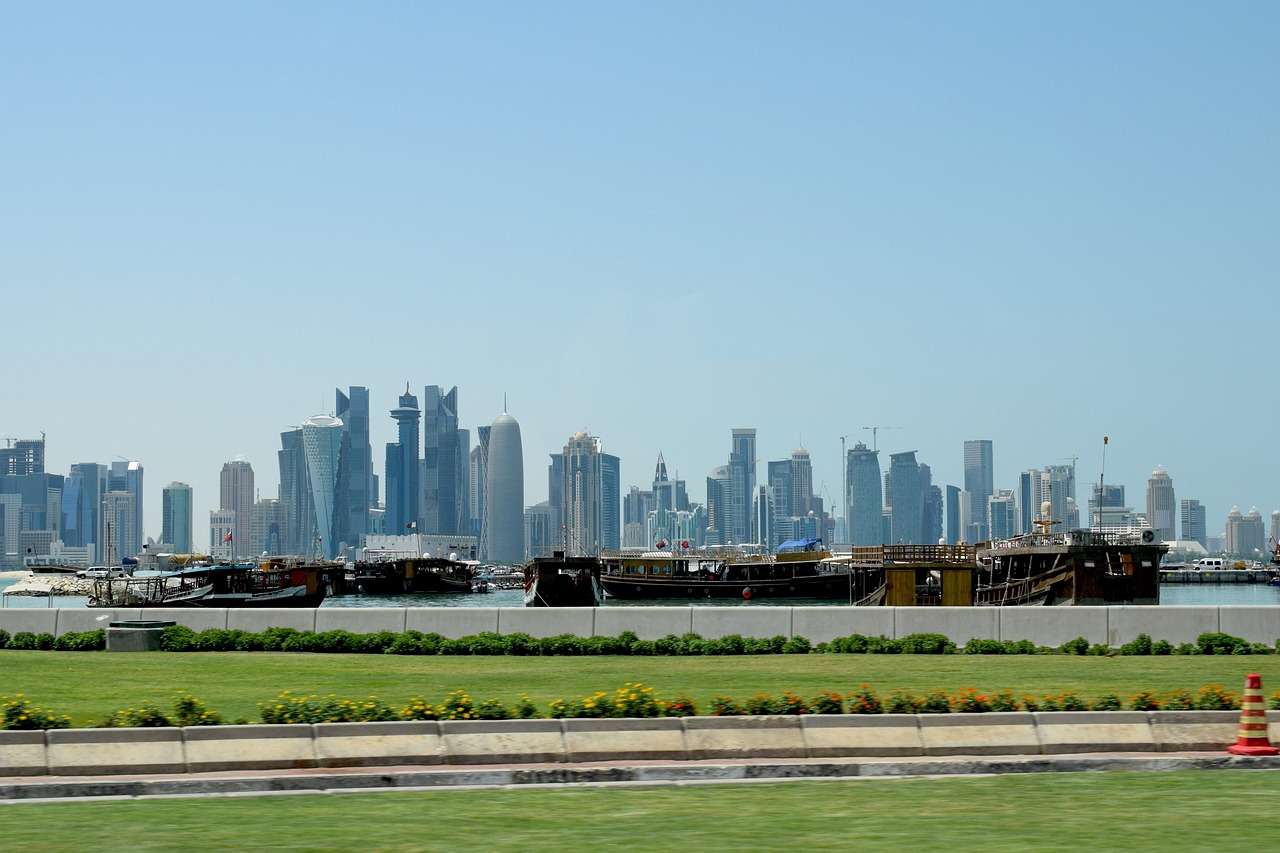

How to Start Real Estate Investing in the Gulf Region begins with focused travel planning, a clear investment strategy, and boots-on-the-ground due diligence in cities like Dubai, Abu Dhabi, Doha, Riyadh, Muscat, Manama, and Kuwait City. The Gulf offers a mix of freehold and leasehold markets, rapid urban development, and buyer-friendly infrastructure—but each country has different ownership rules, market cycles, and travel logistics you must understand before committing.
This guide explains step-by-step how to prepare for a first investment trip, evaluate deals during site visits, work with local agents and legal counsel, and avoid common pitfalls. It’s written for people who need practical, travel-focused guidance before booking flights or viewing properties in the Gulf Region.
Quick Answer
Start real estate investing in the Gulf Region by choosing one or two target markets (for example Dubai and Doha), researching local ownership rules (freehold vs leasehold), arranging in-person property inspections, engaging a licensed local agent and a lawyer, and planning financing and property management. Travel for site visits, verify titles and community rules, and use short, focused trips to compare neighborhoods, transport links, and rental demand.
Key Takeaways
- Pick a focused market and learn ownership types and permit requirements.
- Travel to inspect properties, neighborhood amenities, and transport hubs.
- Use licensed brokers, independent surveyors, and a local real estate lawyer.
- Factor in taxes, service charges, insurance, and vacancy periods.
- Start small, use local property managers, and avoid overleveraging.
Why the Gulf Region is Attractive for Investors
The Gulf Region combines rapid urban growth, strong infrastructure projects, and a large expatriate renter population—factors that create demand for rental housing and short-term stays. Cities like Dubai and Doha have mature property markets and established legal frameworks for foreign buyers; Saudi Arabia and Oman are opening up more opportunities as regulations evolve.
For travel-minded investors, Gulf cities are easy to visit from Europe, South Asia, and East Africa: major airports include Dubai International (DXB), Hamad International (DOH) in Doha, King Khalid (RUH) in Riyadh, and Muscat International (MCT), which makes multiple short inspections feasible in a single trip.
How to Start Real Estate Investing in the Gulf Region: Step-by-Step
1. Choose your target countries and cities
Limit your initial focus to one or two markets. Dubai is often the first choice for foreigners because of freehold neighborhoods and a transparent brokerage market. Doha and Abu Dhabi offer strong rental demand too, while Riyadh and NEOM-related projects present growth potential but require deeper local knowledge.
2. Learn local ownership rules and tax basics
Understand freehold vs leasehold, developer reputation, and whether non-residents can hold title directly. Taxes in many Gulf states are favorable for property owners, but service charges, municipality fees, and VAT on certain transactions can apply. Check official government portals or consult a local tax advisor for up-to-date details.
3. Arrange financing and budgeting
Decide between local mortgage options and funding from your home country. Loan-to-value ratios, interest rates, and required documentation differ widely across the Gulf. Build a realistic budget that includes purchase costs, agency fees, due diligence, insurance, and an operating reserve for vacancies or repairs.
4. Plan a focused inspection trip
Book a short itinerary that includes developer model visits, secondary market viewings, neighborhood walks, and a meeting with a lawyer. Prioritize properties near metro lines, airports, or business districts if rental yield matters. Carry copies of your documents and a checklist for inspections.
5. Complete due diligence and close carefully
Ask for title deeds, completion certificates, community regulations, and utility connection status. Use a local lawyer to verify the chain of ownership and contract language. Avoid verbal promises—get things in writing and confirm contingencies before advancing funds.
Practical On-the-Ground Advice
How to vet agents and developers
Prefer licensed agents and ask for references from recent buyers. Check developer track records—look at past delivery timelines and the quality of finished projects. Meet the property manager or community association to understand recurring costs and rules for rentals.
Inspecting a property like an investor
- Check structural finishes, water pressure, and AC performance.
- Compare unit orientation, view, and noise levels at different times of day.
- Note proximity to public transport, hospitals, schools, and grocery stores.
- Ask about occupancy rates and tenant profiles in the building or community.
Renting vs. flipping: which to choose?
Short-term rentals can offer higher returns in tourist-heavy cities (Dubai, Doha) but require active management and compliance with licensing rules. Long-term rentals provide steadier income with lower turnover. Flipping depends on market timing and construction quality—more speculative and riskier if you cannot rely on local market cycles.
Best Tips for Planning Your Trip
Plan no more than three to five property visits per day to allow time for document checks and neighborhood walks. Book accommodation near the neighborhoods you want to inspect so you can visit early morning or late evening to assess actual living conditions. Use local SIM cards or roaming data for maps and messaging, and schedule meetings with lawyers and agents at least a week in advance.
When flying between Gulf cities, check direct flight schedules and consider low-cost carriers for short hops (e.g., Dubai-Doha-Muscat). Always verify visa requirements and travel advisories with embassy websites before travel. Purchase travel insurance that covers medical evacuation and trip interruption, and keep digital and printed copies of key documents.
Mistakes to Avoid
- Skipping an in-person inspection—photos can be misleading.
- Underestimating service charges and community fees.
- Relying only on the selling agent without independent legal checks.
- Over-leveraging based on optimistic rental yield assumptions.
- Ignoring local rental demand trends and tenant preferences.
Is it worth it? Who is this best for?
Yes, it can be worth it for investors who can commit time to research, visit properties, and manage cross-border logistics. The Gulf is best suited for investors seeking rental income, capital appreciation in emerging neighborhoods, or diversification into a market with strong infrastructure and expatriate demand.
This approach is ideal for hands-on investors, small funds, and expatriates familiar with Gulf living. Passive investors may prefer to partner with reputable local property managers or consider REITs that cover the region instead of buying physical units directly.
Comparing Gulf Cities at a Glance
Each Gulf city serves different investor goals. Dubai is liquidity and tourism-driven, Abu Dhabi focuses on long-term residency and government-related projects, Doha benefits from energy-driven incomes and high per-capita demand, Riyadh offers scale and domestic demand, and Muscat and Manama are quieter but increasingly open to foreign capital. Match your strategy—short-term rental, long-term lease, or capital growth—to the city’s strengths.
Conclusion
How to Start Real Estate Investing in the Gulf Region requires a blend of market research, careful travel planning, and on-the-ground verification. Focus on one or two cities, travel to inspect properties and neighborhoods, work with licensed local professionals, and budget for all recurring costs. With disciplined due diligence and realistic expectations, the Gulf can be a compelling part of a diversified real estate portfolio.
Frequently Asked Questions
Can foreigners buy property in Dubai, Abu Dhabi, or Doha?
Yes, but rules vary by city and development. Dubai has designated freehold areas where foreigners can own property outright; Abu Dhabi and Doha have pockets of foreign ownership and different registration requirements—check official government portals or consult a local lawyer for current rules.
Do I need to visit the Gulf in person before buying?
Visiting in person is highly recommended. Photographs and virtual tours help, but inspections reveal neighborhood dynamics, build quality, and amenities that affect rentalability and resale value.
How do I find a trustworthy property manager in the Gulf?
Ask for references from recent landlords, verify licensing with local real estate authorities, and request a clear fee schedule and reporting process. Meet managers during your trip to assess responsiveness and local networks for maintenance and tenant sourcing.
Are mortgages available to non-residents?
Yes, some Gulf banks and international lenders offer mortgages to non-residents, but terms differ by country and bank. Mortgage eligibility, down payment requirements, and interest rates vary—talk to local banks and mortgage brokers for up-to-date options.
What recurring costs should I budget for?
Budget for service charges, community fees, utilities, insurance, property management fees, and occasional repairs. These recurring expenses can significantly affect net rental yields and should be included in your cash-flow analysis.
How do I verify the title and ownership chain?
Hire a local real estate lawyer to check the land registry or title deed records and to review sale agreements. A lawyer will confirm encumbrances, developer obligations, and whether the property has the required completion or occupation certificates.
Can I get residency through property investment in the Gulf?
Some Gulf states offer residency or long-term visas tied to property investment, but rules and thresholds change. Consult official immigration sources or an immigration lawyer for current eligibility criteria and conditions.
What are common tenant expectations in Gulf cities?
Expect tenants—especially expatriates—to prefer furnished or semi-furnished homes near transport, schools, and malls. High-speed internet, good air conditioning, and reliable building services are often deciding factors for renters.