






The Best Real Estate Markets in the Gulf Region 2026 are concentrated in a handful of dynamic cities where policy reform, new tourism projects and improved air links have renewed demand for both residential and commercial property. Investors and relocating professionals are focusing on Dubai and Riyadh for growth, Abu Dhabi and Doha for stability, and Manama, Muscat and Kuwait City for niche opportunities. Each market now has a distinct profile—capital appreciation, rental yield, lifestyle or long-term diversification—and the right choice depends on your goals.
If you plan to travel to evaluate property in the Gulf, a short, targeted trip that combines viewings, meetings with local agents, and neighborhood checks will save time and money. Check current ownership rules, residency visa options, and mortgage availability before booking; regulations and incentives continue to evolve across the Gulf in 2026.
Quick Answer
For 2026, the Best Real Estate Markets in the Gulf Region are led by Dubai (UAE) for a balanced mix of liquidity and international demand, Riyadh (Saudi Arabia) for rapid growth tied to economic reform, Abu Dhabi and Doha for steady capital and luxury markets, and secondary cities—Manama, Muscat, Kuwait City—for targeted investments. Choose based on whether you prioritize capital growth, rental income, lifestyle, or regulatory certainty.
Key Takeaways
- Dubai and Riyadh are the top markets for growth and transaction volume in 2026.
- Abu Dhabi and Doha offer stability and luxury inventory attractive to high-net-worth buyers.
- Smaller Gulf capitals present value plays and niche rental markets for expats and businesses.
- Due diligence, residency and ownership rules, and timing (avoiding Ramadan for viewings) are critical.
- Plan a focused trip: line up viewings, local banks, and a lawyer to vet contracts.
Top Cities in the Best Real Estate Markets in the Gulf Region 2026
Dubai, UAE — Liquidity and international demand
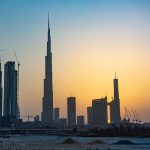
Dubai remains top of the list for international buyers. Freehold zones, a mature off-plan market and a robust tourism pipeline mean consistent activity across residential, short-term rental and retail segments. Expect a wide range of product—high-rise apartments, gated communities and waterfront villas—near major hubs like Dubai International (DXB) and upcoming metro extensions.
Riyadh, Saudi Arabia — Fastest-evolving market
Riyadh is notable for institutional investment and government-led projects tied to Vision 2030. Rapid urban development, new business districts and relaxed ownership rules in designated zones are drawing developers and buyers. Riyadh is more attractive for long-term capital appreciation and large-scale residential projects than for short-stay tourism rental income.
Abu Dhabi, UAE — Stability and premium stock
Abu Dhabi offers a quieter, premium market with strong institutional backing and large sovereign projects. The city is appealing to buyers seeking stable legal frameworks and high-quality new developments near Abu Dhabi International (AUH) and cultural districts. Luxury villas and island developments remain key draws.
Doha, Qatar — High-quality infrastructure and event legacy
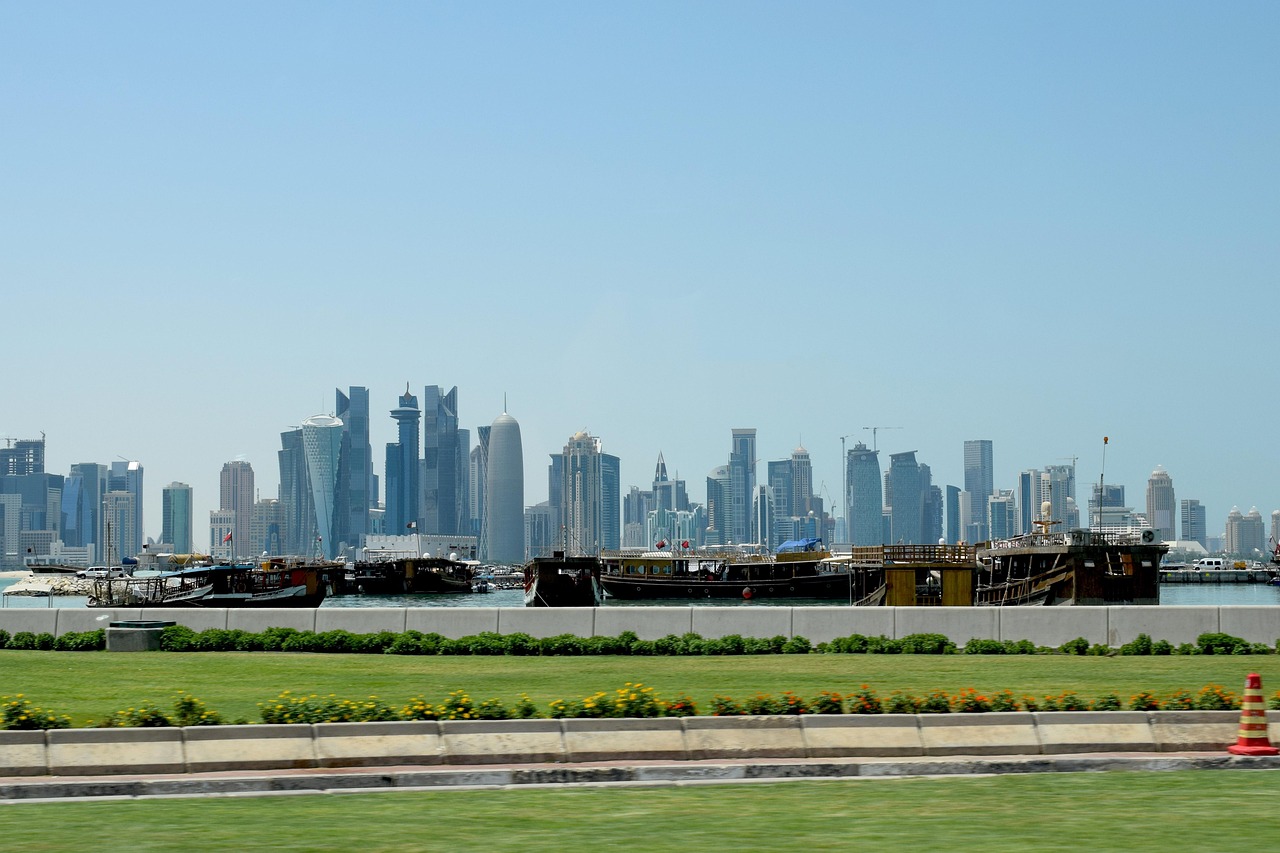
Doha’s investment case in 2026 leverages upgraded transport links, a polished hotel pipeline and corporate relocations. The city continues to attract investment into luxury apartments, suburban villas and mixed-use districts near Hamad International Airport (DOH).
Manama, Bahrain; Muscat, Oman; Kuwait City — Niche and value plays
These capitals tend to be lower-cost entry points with good rental demand from local and regional workers. Bahrain’s financial services cluster, Muscat’s tourism revamp and Kuwait City’s conservative but steady demand make them suitable for investors seeking diversification and lower competition than the big GCC hubs.
Market Comparison Table
| City | Primary Strength | Best For |
|---|---|---|
| Dubai | High liquidity, short-term rentals, freehold options | International investors, short-let landlords, expat buyers |
| Riyadh | Rapid growth, government-led projects | Long-term capital investors, institutional buyers |
| Abu Dhabi | Stability, premium developments | High-net-worth buyers, conservative investors |
| Doha | Infrastructure and quality of life | Luxury market investors, corporate relocations |
| Manama / Muscat / Kuwait City | Value, niche demand | Portfolio diversification, opportunistic buyers |
What’s Driving the Best Real Estate Markets in the Gulf Region 2026?
Economic diversification and policy reform
Many Gulf states continue to diversify away from oil. New business zones, tech hubs, and relaxed ownership rules in specific areas have increased foreign participation. These structural changes are a key reason several markets have more international buyers in 2026.
Mega-projects, tourism and hospitality
Large-scale developments—entertainment districts, cultural zones and destination resorts—support demand for short-term rentals and branded residences. Proximity to airports such as DXB, DOH and AUH remains a strong value driver.
Infrastructure and improved air links
Enhanced airport capacity and regional connectivity encourage corporate relocations and tourism flows. Easier access generally shortens the time needed to evaluate property in person and helps sustain rental demand.
How to Evaluate a Gulf Property: Practical Checklist
- Ownership regime: Confirm whether the property is freehold, leasehold or subject to special ownership rules for foreigners.
- Developer reputation: Research the developer’s delivery record and check unit handover history.
- Permits and approvals: Ensure permits, title deeds and homeowner association (HOA) rules are clear.
- Rental demand: Compare long-term and short-term rental markets depending on your plan.
- Exit options: Consider liquidity—some projects or smaller markets sell slower than Dubai or Riyadh.
Common Mistakes to Avoid
- Rushing an off-plan purchase without a clear schedule and exit plan.
- Assuming uniform regulations across the Gulf—each country has different rules for foreign buyers and residency.
- Neglecting local taxes, service charges and HOA fees when calculating yield.
- Booking viewings during Ramadan or national holidays without confirming availability.
Best Tips for Planning Your Trip
Make a short, prioritized itinerary: target two to three neighborhoods per city rather than trying to see everything. Book viewings through reputable agents and ask for digital floor plans and title documents before you arrive. Schedule meetings with a local lawyer and a bank contact to check mortgage options and payment schedules.
Travel logistics matter: fly into the main hub (DXB, DOH, RUH, AUH) for easiest onward connections. Choose accommodation close to the neighborhoods you’re evaluating and allow buffer time for meetings—traffic and security clearances can add delays. Respect local customs: dress conservatively for formal meetings and avoid scheduling business visits during public holidays or religious observances without prior confirmation.
Is It Worth It? Who Is This Best For?
Yes—if you have clear objectives. The Gulf offers distinct opportunities depending on investor type. Dubai and Abu Dhabi suit buyers seeking liquidity and lifestyle, Riyadh favors long-term growth-seeking investors, and smaller capitals work for diversification or regional footholds.
This market is best for investors who can tolerate regional regulatory variation, buyers interested in rental income or capital appreciation, and professionals relocating for short- to mid-term assignments. If you need immediate resale certainty or prefer markets with long histories of transparency, focus on Dubai and Abu Dhabi first and conduct deeper due diligence for other capitals.
Conclusion
The Best Real Estate Markets in the Gulf Region 2026 combine renewed policy momentum, major infrastructure projects and targeted tourism growth. Dubai and Riyadh lead for opposite reasons—liquidity versus rapid transformation—while Abu Dhabi and Doha remain top choices for stability and premium inventory. Smaller capitals offer diversification and potentially higher yield per dollar invested. Plan a focused trip, verify regulations and developer track records, and match your purchase to a clear investment or lifestyle goal.
Frequently Asked Questions
Which city in the Gulf is best for short-term rental investment in 2026?
Dubai is generally best for short-term rentals due to strong tourism and established platforms. Check local licensing and short-let rules before listing as regulations can change.
Can foreigners buy property in Saudi Arabia and Qatar?
Some areas allow foreign ownership, but rules differ by country and zone. Always confirm current ownership regulations with official government or municipal sources before making an offer.
How should I budget for extra costs when buying property in the Gulf?
Expect additional costs like registration, transfer fees, service charges and legal fees. Get written estimates from agents and lawyers and factor these into your total investment.
When is the best time to visit the Gulf to view properties?
Outside peak summer months is more comfortable; avoid major religious holidays like Ramadan for easier scheduling. Check local calendars and confirm appointments in advance.
Are off‑plan developments risky in the Gulf?
Off-plan projects can offer discounts but carry delivery and liquidity risks. Mitigate risk by choosing reputable developers, reviewing contract protections and understanding payment schedules.
Do Gulf countries have property taxes?
Property tax regimes vary across the region and may change over time. Confirm current tax and fee structures with a local advisor or official authority before purchase.
Should I use a local agent or an international brokerage?
Use both: local agents provide neighborhood-level insight and paperwork expertise, while international brokerages can help with cross-border coordination and financing. Verify credentials and ask for references.