






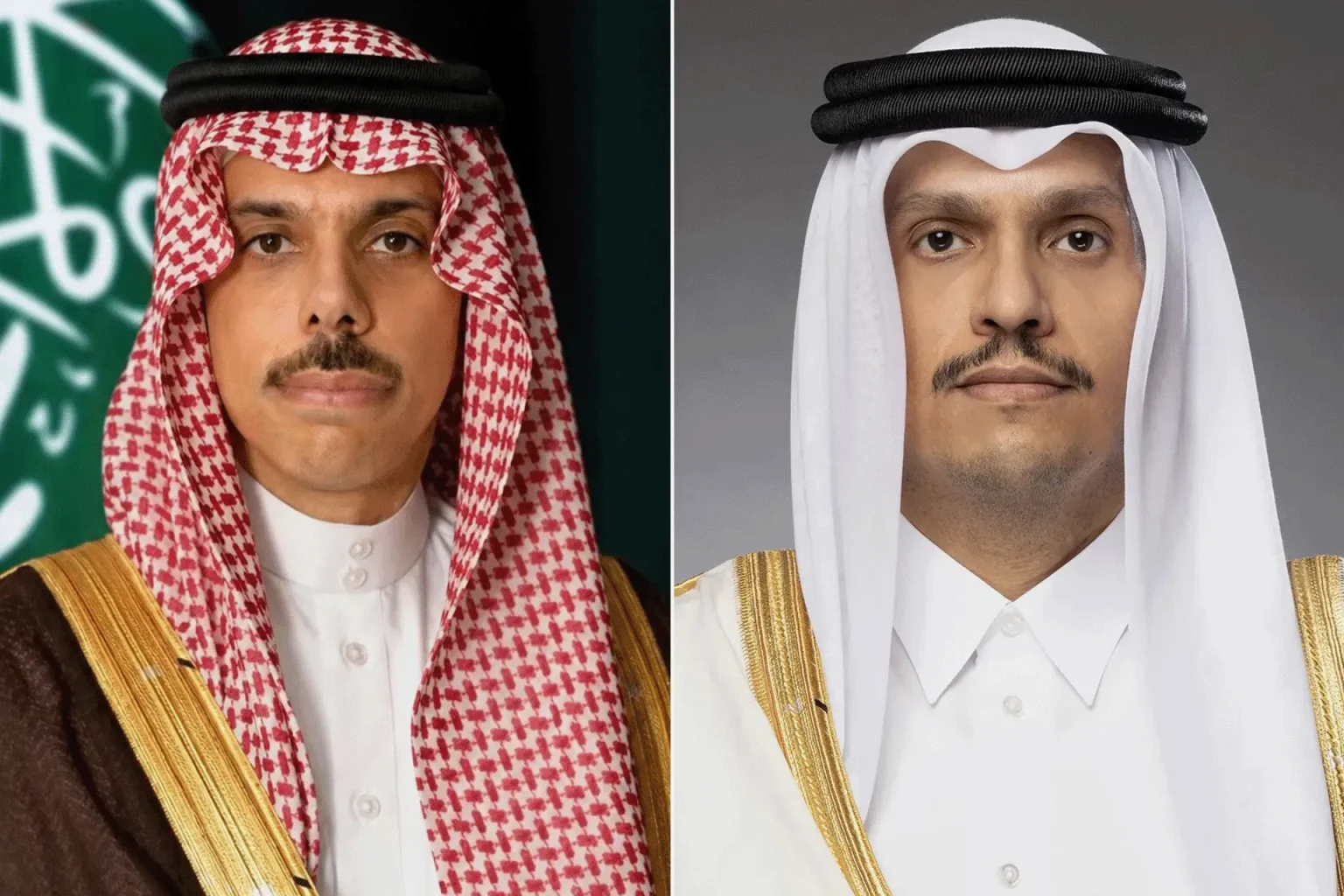

Qatar-Saudi phone call underscores mediation support
On May 25, 2026, Qatar’s Prime Minister and Foreign Minister Sheikh Mohammed bin Abdulrahman Al Thani placed a phone call to Saudi Foreign Minister Prince Faisal bin Farhan to discuss bilateral cooperation and efforts to support mediation in the region. The Qatar-Saudi phone call, according to Qatar News Agency and social media posts cited by officials, focused on backing Pakistani mediation between the United States and Iran and on measures to reduce regional tensions.
The brief call came amid reports of progress in US-Iran talks and heightened Israeli concern over any deal that they judge insufficient for their security needs. Officials said the two Gulf foreign ministers discussed coordinating support for mediation aimed at de-escalation, which could help stabilize the Gulf and maritime corridors like the Strait of Hormuz.
Details of the call and immediate context
Qatar News Agency (QNA) reported the exchange as part of routine diplomatic engagement between Doha and Riyadh, emphasizing long-standing cooperation. The ministers reviewed bilateral ties and explored concrete steps to bolster coordination on regional mediation, the agency said, adding that the conversation underscored mutual interest in preventing further escalation.
According to the report, Sheikh Mohammed urged all parties to respond constructively to ongoing mediation efforts so that core issues can be addressed through dialogue rather than force. Meanwhile, observers noted that the Qatar-Saudi phone call came at a sensitive moment as negotiators reportedly edged closer to an agreement between Washington and Tehran.
How the call relates to US-Iran talks and Pakistan mediation
Officials pointed to Pakistani mediation as a central theme of the discussion, highlighting Islamabad’s role in facilitating dialogue between the United States and Iran. Pakistan mediation has been cited in multiple accounts as instrumental in creating back-channel contacts intended to lower the risk of miscalculation and to open a pathway for more formal negotiations.
Recent public statements, including one by U.S. Senator Marco Rubio speaking from New Delhi, suggested the possibility of positive developments in the US-Iran talks in the near term, particularly concerning arrangements affecting Gulf maritime security. The Qatar-Saudi phone call signaled Gulf states’ interest in backing any diplomatic track that reduces tensions and protects commercial navigation in the region.
Implications for Gulf security and regional dynamics
Coordination between Qatar and Saudi Arabia on mediation support carries several implications for Gulf security and broader regional dynamics. If Gulf states actively facilitate or endorse mediated outcomes, they may strengthen regional buy-in for an agreement and reduce incentives for unilateral action that could trigger escalation.
Furthermore, international attention on the Strait of Hormuz and other choke points elevates the strategic stakes. Gulf security is closely tied to uninterrupted maritime flows, and any successful de-escalation would likely ease pressure on shipping, energy markets, and regional military postures. Therefore, the Qatar-Saudi phone call can be read as part of a pragmatic effort to safeguard shared economic and security interests.
Reactions and regional concerns
While Qatari and Saudi statements framed the call as constructive, some regional actors remain cautious. Reports of progress in US-Iran talks have prompted Israeli officials to voice reservations about whether a prospective deal would sufficiently address their security requirements, a dynamic that could complicate broader regional acceptance.
Analysts say that endorsements from Gulf capitals may help bridge such divides, but successful mediation will require sustained diplomatic outreach, verification mechanisms, and confidence-building measures. The Qatar-Saudi phone call, therefore, represents an early step in a larger diplomatic sequence rather than a conclusive intervention.
Coordination mechanisms mentioned
Sources indicate the ministers discussed practical coordination avenues, such as intelligence sharing, diplomatic outreach, and leveraging multilateral forums to back mediation. Additionally, they reportedly considered contingency planning to prevent flare-ups while negotiations continue, though details were not released publicly.
What to watch next
Observers should monitor three near-term developments: statements from negotiating parties on the status of the US-Iran talks, any formal involvement announced by Pakistan mediation teams, and follow-up contacts among Gulf ministers to translate verbal support into concrete measures. Official communiqués from Doha and Riyadh may provide a clearer picture of the steps they plan to take.
Diplomats and analysts will also watch for signals from Washington, Tehran, and regional capitals about verification protocols and security guarantees, which will be decisive in determining whether tentative diplomatic progress can be sustained. Meanwhile, shipping patterns and market responses could offer real-time indicators of confidence in reduced tension.
Conclusion: next steps and timeline
The Qatar-Saudi phone call signals regional backing for efforts to de-escalate tensions through mediation, particularly the Pakistan-led outreach between the United States and Iran. Officials suggest parties should engage with ongoing talks to allow peaceful resolution of disputes rather than resorting to coercion.
Stakeholders expect further diplomatic contacts in the coming days and weeks; readers should watch for official updates from QNA, statements by negotiating parties, and any public announcements from Pakistan mediation teams. Success will depend on follow-through, transparent verification arrangements, and the willingness of regional actors to support a durable, enforceable settlement.