






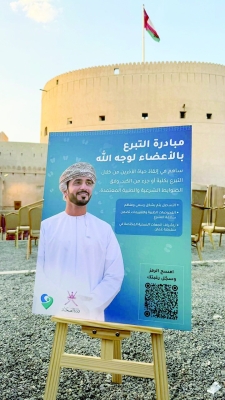

Organ donation in Oman: public support and calls for action
Citizens surveyed by the Oman newspaper affirmed the importance of promoting organ donation in Oman, urging broader acceptance of non-relative donations and more organized awareness efforts. Respondents emphasized that clear medical and religious guidelines administered by health authorities would encourage voluntary donors and strengthen public trust. Meanwhile, nursing specialists called for structured programs to support donors and recipients alike.
The survey, conducted recently by the Oman newspaper, gathered views from health professionals and members of the public across the sultanate. It highlighted calls for official, transparent procedures supervised by the Ministry of Health and the Omani Centre for Organ and Tissue Donation and Transplantation to reassure potential donors and their families.
Why organized programs and safeguards matter for organ donation in Oman
Supporters say that organized programs increase donor safety and social acceptance. Therefore, respondents urged comprehensive medical screenings, psychological assessments, and social evaluations to protect living donors and ensure ethical practice.
According to nursing specialists interviewed in the survey, a regulated framework reduces misconceptions and safeguards donor welfare. Furthermore, formal oversight from the Ministry of Health Oman and specialist centers can dispel fears about surgical risk and future health impacts for donors.
Ensuring donor safety and regulatory oversight
Medical professionals in the survey stressed that donor protection begins with rigorous pre-donation assessment. Hospitals must conduct thorough tests, evaluate long-term health implications, and provide clear informed consent procedures to potential living donors.
Additionally, respondents recommended a formal follow-up program after donation to monitor recovery and long-term outcomes. The Ministry of Health and the Omani Centre for Organ and Tissue Donation and Transplantation were cited as the appropriate authorities to set standards, oversee compliance, and publish transparent outcomes over time.
Role of nurses and palliative care in awareness and support
Frontline nurses described donation as a profound humanitarian act that gives recipients renewed life and hope. They noted that nursing staff already play an active role in community education, chronic disease prevention, and correcting health misconceptions.
Palliative care nurses emphasized the human dimension of supportive services. They said palliative care extends beyond symptom control to include emotional, social, and spiritual support, and that this ethos complements efforts to promote living donation by highlighting dignity and compassionate care.
Nursing outreach and education
Nurses recommended targeted education campaigns in schools, workplaces, and religious institutions to address cultural hesitancy. Meanwhile, clinical coordinators encouraged peer-to-peer testimonials and transparent explanations of medical protocols to build confidence in living donation pathways.
Ethical, religious and social considerations
Respondents acknowledged that religious and cultural beliefs shape acceptance of organ donation. Several participants pointed to existing religious rulings that permit donation, but noted lingering questions among some community members about permissibility and ethics.
Therefore, experts urged collaboration with religious scholars and community leaders to explain the ethical foundations of donation. This approach, they said, would help reconcile concerns with the core values of saving lives and mutual assistance embedded in local traditions.
Addressing barriers: misinformation, fear and logistics
Survey participants identified misinformation, fear of surgery, and the perceived complexity of legal procedures as primary barriers to wider uptake. They recommended clear, accessible information that explains surgical risks, donor eligibility, and post-donation care.
Practical measures suggested included streamlined registration procedures, confidentiality guarantees, and dedicated counseling services. Furthermore, public campaigns should outline safeguards against commercialization and exploitation to prevent ethical abuses.
Secondary keywords in context: living donation and palliative care
The survey placed particular emphasis on living donation as a viable option for kidney and partial liver transplants when clinically appropriate. Respondents urged structured pathways for living donors that balance medical benefit with donor autonomy and safety.
Palliative care was highlighted as a complementary service that maintains patient dignity before, during, and after treatment, and that supports families facing complex decisions about transplantation. Integration of palliative care professionals into transplant programs can enhance holistic care for patients and donors.
Next steps and what to watch
Officials and health professionals indicated that the next steps include intensifying public education, standardizing donor screening, and formalizing support services. Readers should watch for awareness campaigns and policy updates issued by the Ministry of Health and the Omani Centre for Organ and Tissue Donation and Transplantation.
Ultimately, stakeholders said that increased transparency, community engagement, and clinical safeguards will determine whether organ donation in Oman reaches wider acceptance. In the coming months, announcements about program rollouts, training initiatives for healthcare staff, and collaborative public outreach are expected to clarify timelines.
Conclusion: balancing compassion, safety and trust
Organ donation in Oman presents an opportunity to save lives while reinforcing social solidarity, but it requires careful implementation. Therefore, combining medical safeguards, ethical oversight, and broad-based education is essential to build public confidence and protect donors.
As awareness campaigns expand and regulatory frameworks are refined, observers expect gradual increases in donor willingness and program participation. For now, the public discussion and official engagement mark a meaningful step toward more organized and trustworthy organ donation practices in the sultanate.