






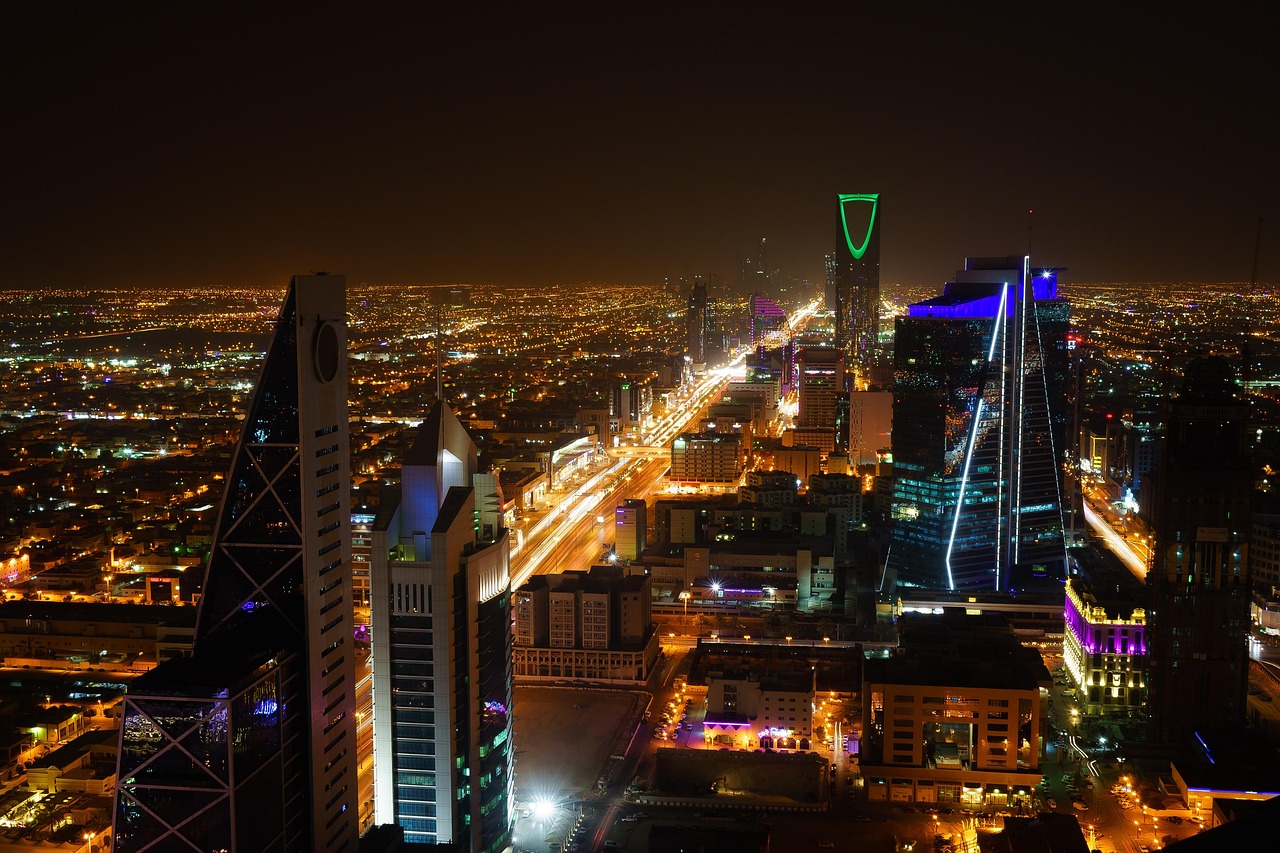

Buying property in Saudi Arabia as a foreigner in 2026 is possible, but it requires preparation, local partners, and careful legal checks. Recent reforms and large development zones opened more opportunities for non-Saudis—particularly in economic cities, tourist resorts and designated freehold areas—but rules vary by location and can change. You can expect a multi-step process that includes market research, permission or licensing in some zones, title checks, and registration with the local land registry.
If you plan to buy, start by identifying the type of property you want (residential apartment, compound villa, commercial unit or off-plan investment in a project such as NEOM or the Red Sea developments). Work with a licensed local real estate agent and a Saudi-licensed lawyer, confirm whether the plot or building is open to foreign ownership, and verify every document with the land registry and municipal authorities before signing.
Quick Answer
How to Buy Property in Saudi Arabia as a Foreigner 2026: Identify eligible areas and project types, hire a local real estate agent and lawyer, confirm ownership rules with the relevant Saudi authorities, inspect the title at the land registry, get any required approvals or investment licenses, and complete the sale through a licensed notary and registration office. Financing is easier with residency, so many foreign buyers purchase with cash or work with local banks if they hold an Iqama.
Key Takeaways
- Confirm whether the city or development allows foreign freehold or requires approval.
- Use a licensed local agent, certified translator, and an experienced Saudi lawyer.
- Check title deeds at the land registry and request municipal clearances.
- Budget for fees, due diligence costs and potential licensing by investment authorities.
- Plan a site visit—major airports include Riyadh (RUH), Jeddah (JED) and Dammam (DMM).
Understanding the market: Where foreigners can buy in Saudi Arabia
Not all areas have the same rules. Large economic zones and major tourist projects often have clearer, more foreign-friendly frameworks. City center apartments in Riyadh, Jeddah and Dammam may be available to foreigners through specific approvals or via corporate investment structures, while new towns and giga-projects sometimes advertise direct sale to international buyers.
Important places to watch: Riyadh and Jeddah for city real estate, King Abdullah Economic City and coastal developments around the Red Sea and NEOM for investment projects, and gated expat compounds for ready-to-move homes. Always check municipal rules for each province and the specific development’s sales terms.
Step-by-step: How to buy property in Saudi Arabia as a foreigner 2026
1. Define your objective and shortlist locations
Decide whether you want a primary residence, a rental investment, or an off-plan opportunity. Shortlist neighborhoods in Riyadh, Jeddah, Dammam or planned developments based on transport links, proximity to airports (King Khalid, King Abdulaziz, King Fahd), and local amenities.
2. Check ownership rules for your chosen property
Contact the property developer, municipality or the relevant government office to confirm whether foreigners can own freehold, require an investment license, or must use a corporate vehicle. Rules differ by project and province, and can change—verify with official sources.
3. Hire a licensed real estate agent and a Saudi lawyer
Work with a broker registered with local authorities and a lawyer experienced in Saudi property law. The agent helps find listings and negotiate; the lawyer reviews contracts, handles title searches, and manages registration. Use certified translators if documents are Arabic.
4. Perform legal due diligence
Request the title deed, check for liens or mortgages, confirm planning and building permits, and ensure the seller has the right to sell. Ask the lawyer to obtain a certified land registry extract and municipal clearance to avoid future disputes.
5. Negotiate and sign a sales agreement
Negotiate price, payment schedule (especially for off-plan purchases), and completion conditions. Use a clear purchase contract drafted or reviewed by your lawyer. Avoid paying large sums before satisfactory due diligence and escrow arrangements are in place.
6. Obtain approvals and register the transfer
If the transaction requires approval from a government agency or an investment authority, your lawyer or agent should apply on your behalf. Complete the transfer at the official registration office and obtain the updated title deed in your name or your entity’s name.
Financing and taxes: What to expect
Most banks require residency (Iqama) or a local guarantor for mortgage products; non-resident financing is limited. Many foreign buyers therefore opt for cash purchases or corporate structures. There are registration and notary fees, and developers may charge service or community fees—check current amounts with the seller or municipality.
Taxation is evolving. Saudi Arabia does not have annual property tax for most residential owners, but there may be transfer fees, municipal service charges and VAT on new builds or developer services. Confirm tax liabilities with a local tax advisor before purchase.
Legal guards: Documents, translation and representation
Essential documents usually include passport, proof of address, source-of-funds evidence and authenticated powers of attorney if you use a representative. All official documents should be translated into Arabic and notarized when required. A Saudi lawyer will ensure contracts comply with local law and that you understand the dispute-resolution clauses.
Where to buy: City vs. resort vs. compound
City apartments in Riyadh or Jeddah are best for rental demand and access to services. Resort and coastal projects (Red Sea, NEOM) appeal to long-term investors looking for capital appreciation and leisure rentals. Expat compounds offer familiar community living and easier management for people relocating to Saudi Arabia.
Comparison example
- Riyadh: strong domestic demand, business hub, good rental yields for city apartments.
- Jeddah: coastal lifestyle, growing tourism, mixed residential and commercial opportunities.
- Resort projects: higher speculative upside but longer development timelines and different ownership rules.
Common mistakes to avoid
- Skipping a local lawyer: legal frameworks and registration processes are specific and require local expertise.
- Assuming uniform rules: each development and province can have distinct regulations for foreign buyers.
- Paying large deposits without escrow: protect yourself with escrow accounts or staged payments tied to deliverables.
- Overlooking municipal or homeowners’ association rules: recurring fees and building restrictions affect costs and use.
Best Tips for Planning Your Trip
Plan at least one dedicated visit to Saudi Arabia to view properties, meet agents and sign documents. Fly into the nearest international airports—King Khalid International (Riyadh), King Abdulaziz International (Jeddah) or King Fahd International (Dammam)—and schedule meetings in advance with agents and lawyers.
Bring originals of all identification and corporate documents, certified translations, bank references and proof of funds. Book accommodations near your target neighborhoods and allow time for municipal office visits; some registrations and approvals require in-person attendance. Purchase travel insurance and understand local customs and dress norms before arrival.
Who is this best for?
Buying property in Saudi Arabia as a foreigner is best for investors with clear capital, those relocating for work with residency, and buyers ready to navigate local bureaucracy with professional help. It’s also suitable for long-term investors targeting giga-projects and tourism-driven developments. Short-term buyers should be cautious—market liquidity and regulatory changes can affect exits.
Is it worth it?
It can be worth it if you have a long-term horizon, local partners, and an appetite for a growing market tied to Saudi Vision economic projects. Expect administrative steps and region-specific rules, but also potential upside from major infrastructure and tourism investments. Always weigh local legal costs and management needs against expected returns.
Conclusion
How to buy property in Saudi Arabia as a foreigner 2026 boils down to clarity, local expertise and careful due diligence. Start with research on eligible areas, secure a reliable local agent and lawyer, verify titles and approvals, and plan a site visit. With the right team and realistic expectations you can buy property—but always confirm current laws and fees with official Saudi sources before committing funds.
Frequently Asked Questions
Can foreigners buy property anywhere in Saudi Arabia?
Not everywhere. Ownership rules vary by city and project; some areas and large developments are open to foreign buyers while others require approvals or have restrictions. Always confirm with the developer, municipality or a local lawyer.
Do I need residency (Iqama) to buy property?
No, residency is not always required to buy, but having an Iqama often makes financing and long-term ownership easier. Check financing options and legal implications with a bank and a lawyer if you are non-resident.
How do I check the property title?
Request a land registry extract and municipal clearance through your lawyer or agent. A certified title search will reveal ownership, liens, mortgages and planning permissions.
Are mortgages available for foreigners in Saudi Arabia?
Mortgages are available to residents through local banks, but non-resident mortgage products are limited. Many foreign buyers use cash or corporate financing; consult banks directly for current lending criteria.
What fees and taxes should I expect?
Expect registration and notary fees, potential transfer charges and developer fees; VAT may apply on certain new builds or services. Contact the municipality and a tax advisor for up-to-date fee schedules.
Can I buy off-plan property safely?
Yes, but off-plan purchases carry development risk. Use escrow arrangements, staged payments, reputable developers and clear contracts reviewed by a Saudi lawyer to reduce risk.
How long does registration and transfer take?
Timing varies by transaction complexity and whether government approvals are needed. Simple transfers can be completed in weeks, while approvals or off-plan completions may take months—confirm timelines with your lawyer and municipality.
What happens if I want to sell later?
Resale rules depend on ownership type and local regulations; some areas have restrictions or taxes on transfers. Keep good records, maintain the property, and consult a real estate agent and lawyer when preparing to sell.